
KABUL (Pajhwok): Direct talks between the United States and Iran are set to begin in Switzerland despite conflicting claims over the status of the Strait of Hormuz following Israeli strikes in southern Lebanon, according to reports.
The Iranian military claimed it had closed the Strait of Hormuz in response to Israeli attacks, which it said violated its agreement with the United States to end the war.
However, the US military disputed the claim, saying maritime traffic through the waterway continues.
US Vice-President JD Vance arrived in Switzerland early Sunday, with the new round of negotiations expected to begin later in the day, according to the BBC.
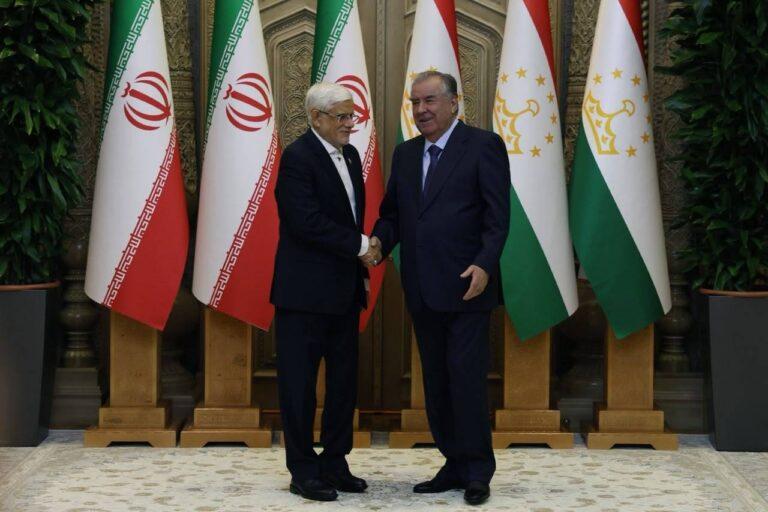
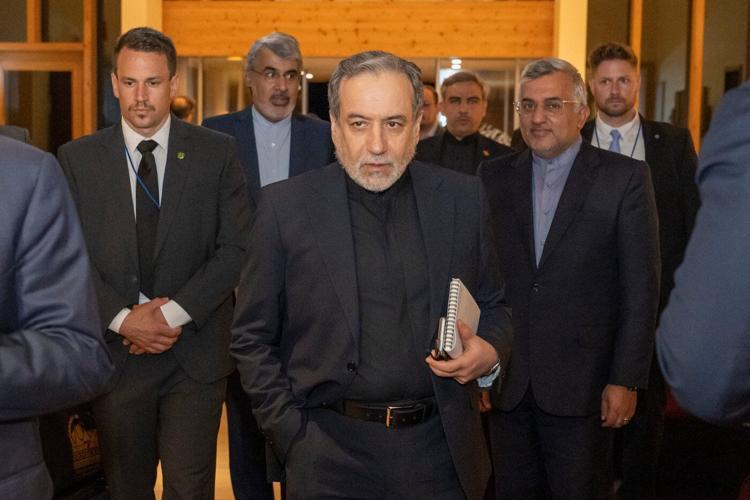
An Iranian delegation, including parliamentary speaker Mohammad Bagher Ghalibaf and Foreign Minister Abbas Araghchi, arrived in Switzerland late on Saturday.
Officials from the United States and Iran will be joined at the talks by Pakistan’s Prime Minister Shehbaz Sharif and the country’s armed forces chief, Field Marshal Asim Munir.
Vance said he hoped to make progress on the nuclear issue as well as the Lebanon ceasefire situation. Speaking to reporters before departure, he said the situation in Lebanon was “getting better” and “slowing down,” though it would require continuous management to ensure regional stability.
Iranian Foreign Ministry spokesman Esmail Baghaei said Tehran would demand that the other side fulfil its commitments.
Earlier this week, the United States and Iranian presidents signed an initial agreement aimed at ending the war, including in Lebanon, with immediate effect. The deal also includes a commitment to further talks over the next 60 days to reach a final agreement.
Meanwhile, at least 47 people were killed in Lebanon on Saturday following a series of Israeli airstrikes, according to the country’s health ministry.
Israel and Hezbollah have continued exchanging fire since the agreement was announced, though a ceasefire between the two sides was confirmed on Friday.
Prior to the deal, Israel said it would not withdraw its forces from Lebanon and maintained that its conflict with Hezbollah is separate from the war with Iran.
Hezbollah said Israeli strikes in Lebanon were an attempt to “sabotage” the broader US-Iran agreement.
Lebanon’s health ministry said 4,057 people have been killed since renewed fighting between Israel and Hezbollah began on 2 March.
Iran’s Islamic Revolutionary Guard Corps (IRGC) said Israeli strikes in Lebanon violated ceasefire commitments and claimed the Strait of Hormuz was closed after reopening under the US-Iran deal.
However, US Central Command (CENTCOM) spokesperson Tim Hawkins said maritime traffic continues to flow. He added that US forces were monitoring the situation closely and stressed that Iran does not control the Strait of Hormuz.
CENTCOM said 55 merchant vessels transited the strait on Saturday, carrying more than 17 million barrels of oil for global markets.
Iran had previously disrupted passage through the Strait of Hormuz following US and Israeli strikes in February, sending shockwaves through global energy markets.
The Strait of Hormuz is a critical shipping route for global oil and liquefied natural gas exports. In 2025, an estimated 20 million barrels of oil and petroleum products passed through it daily, according to US Energy Information Administration estimates, representing nearly $600 billion in annual energy trade.
sa