
KABUL (Pajhwok): Afghanistan is facing growing humanitarian needs alongside economic and climate-related challenges, while declining international assistance has limited the delivery of essential services, the Norwegian Refugee Council (NRC) said.
The NRC urged the international community to engage meaningfully with Afghan authorities to ensure that humanitarian assistance and basic services are not affected by political considerations.
In a statement issued today, the NRC said more than six million Afghans had returned from neighbouring countries since late 2023, increasing humanitarian needs.
It added that recurrent climate-related events, regional tensions and declining humanitarian and development assistance had placed additional pressure on the Afghan population.
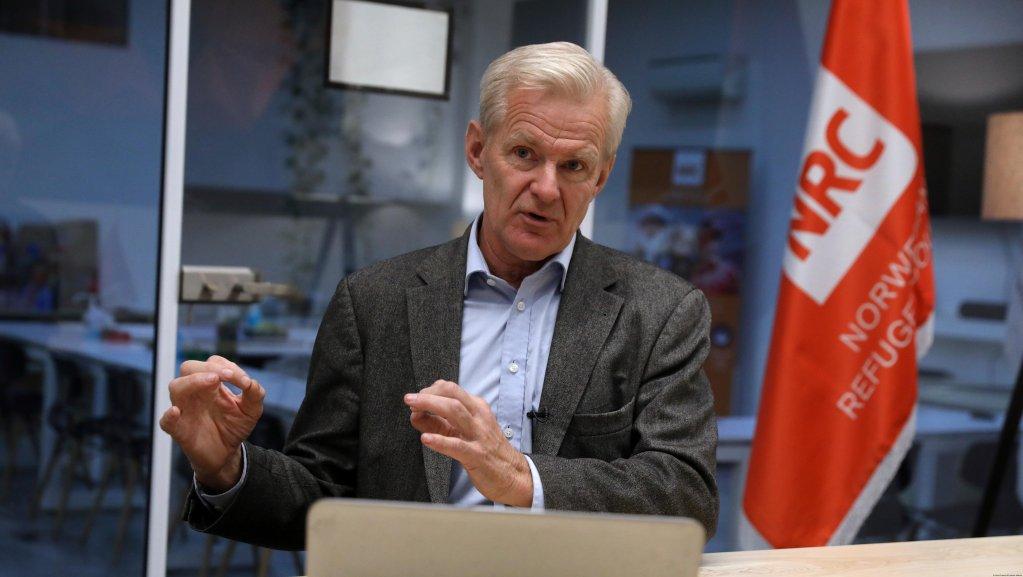
Jan Egeland, secretary-general of the Norwegian Refugee Council, said NATO member states had forgotten their previous commitments to the people of Afghanistan.
He said growing funding shortages had forced humanitarian organizations to reduce the provision of food, water, shelter and healthcare services to displaced and vulnerable Afghan families.
The statement said many returnees were facing livelihood challenges and a lack of employment opportunities.
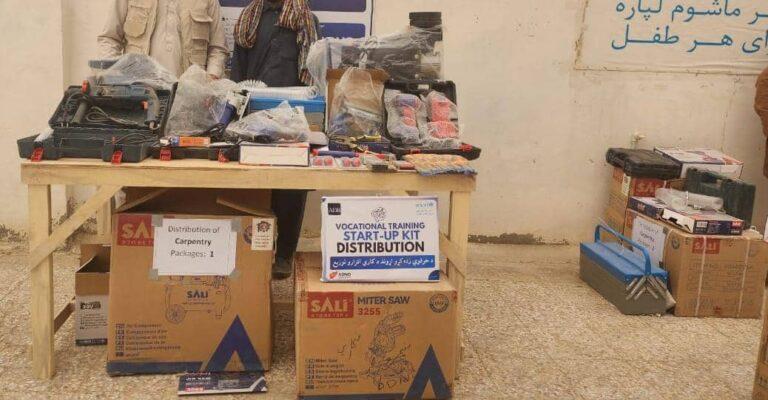
Egeland said shelter and livelihood support were among the most pressing needs of returnees, adding that cuts in aid had left many families without adequate shelter and struggling to provide food for their children.
The NRC said that despite growing humanitarian needs in Afghanistan, funding for the humanitarian response had declined significantly.
According to the organization, the annual humanitarian needs and response plan was nearly 96 percent funded in 2021, but the figure fell to 42 percent in 2025. So far this year, only 26 percent of the required funding has been secured.
The statement said humanitarian response funding had declined from $3.3 billion in 2022 to $1 billion in 2025. This year, only $450 million of the $1.7 billion required has so far been secured.
The NRC also said Afghan authorities had made land allocation to returnees an important part of their response programme.
However, the growing number of returnees, the complexity of land distribution, insufficient investment and a lack of basic services had made their reintegration more difficult.
The council called for increased development investment to support long-term solutions and improve conditions in Afghanistan.
It also urged the international community to engage meaningfully with Afghan authorities to ensure that humanitarian assistance and essential services are not affected by political considerations.
sa