
KABUL (Pajhwok): The World Health Organization (WHO), with support from the Islamic Development Bank (IsDB), is expanding specialised health services for women and children in Afghanistan, including treatment for obstetric fistula, the organisation said.
WHO said the initiative is aimed at improving access to reproductive, maternal, newborn, child and adolescent health services, including specialised care for women suffering from obstetric fistula.
Obstetric fistula is a severe childbirth-related injury caused mainly by prolonged obstructed labour. It can result in continuous incontinence, chronic health problems, social stigma and psychological distress, according to WHO.
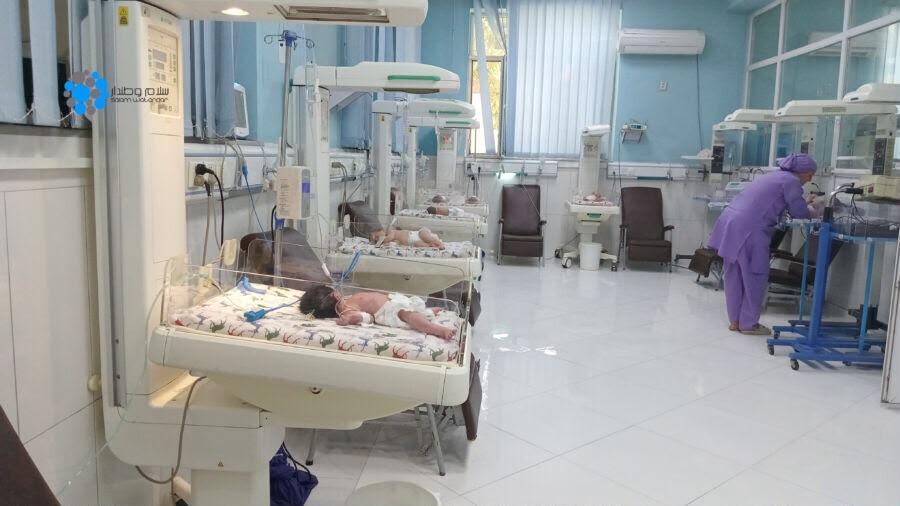
Two specialised obstetric fistula centres have been established in Afghanistan — one at Rabia-i-Balkhi National Maternity Hospital in Kabul and another at Mirwais Regional Hospital in Kandahar.
The centres provide surgical repair as well as comprehensive care, including rehabilitation and support to help women reintegrate into their communities, WHO said.
The project is expected to directly benefit about 300 women who have survived obstetric fistula and indirectly support around 300,000 women and girls of reproductive age.
WHO said more than 977 health workers have also been trained to improve the quality of maternal and newborn care, help prevent complications during childbirth and ensure timely treatment.
The organisation said access to maternal healthcare in Afghanistan has improved in recent years, with antenatal care coverage rising from 31 percent to 76 percent and skilled birth attendance increasing from 24 percent to 67 percent since 2007-08.
However, maternal mortality remains high, with about 521 maternal deaths recorded for every 100,000 live births, WHO said.
WHO Representative in Afghanistan Dr Edwin Ceniza Salvador said no woman should be left without care during pregnancy and childbirth and that women affected by childbirth complications should receive the care, dignity and support they need.
The initiative is being implemented through partnerships with national health authorities and international organisations, WHO said.
sa