
KABUL (Pajhwok): More than 171 million students globally — or one in 10 — from pre-primary to upper-secondary level had their schooling disrupted by climate hazards in 2025, UNICEF said in a new report released on Thursday.
The report, titled “Learning Interrupted: Global Snapshot of Climate-Related School Disruptions in 2025,” analyses data from 106 countries and territories and says storms, floods, heatwaves, droughts and wildfires caused school closures, damage to schools, shifts to remote learning, reduced instructional time, lower attendance and increased risk of dropout.
UNICEF Executive Director Catherine Russell said climate hazards not only disrupt lessons but also destroy schools, displace families and push the most vulnerable children, particularly girls, out of classrooms permanently.
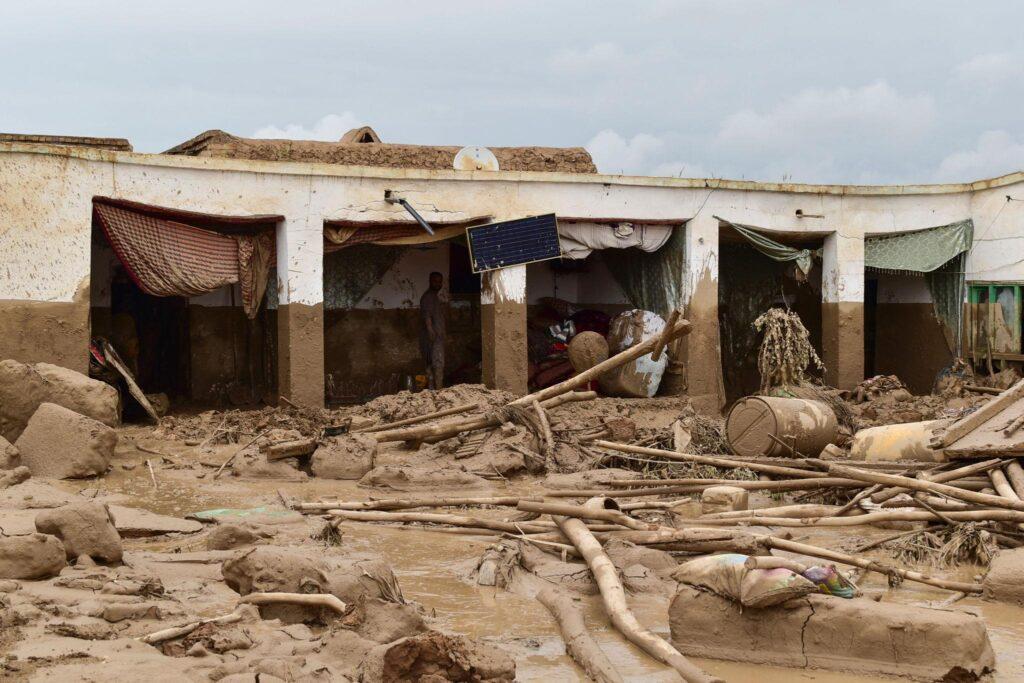
According to the report, storms were the most common cause of school disruptions in 2025, affecting 109 million students worldwide. Floods affected at least 70 million students, while heatwaves disrupted schooling for around 50 million children.
The report said around three-quarters of affected students live in low- and lower-middle-income countries, where education systems often lack the resources needed to protect learning during climate-related emergencies.
Pakistan was among the countries most affected. Severe monsoon floods in August delayed the return to school of more than 28 million students, making it one of the largest climate-related education disruptions recorded in 2025.
In Egypt, a powerful Khamsin wind and dust storm led to a nationwide suspension of classes for one day in April, also affecting more than 28 million students.
According to the data, 40 countries experienced multiple rounds of climate-related school disruptions during the year. Madagascar, for example, faced droughts, tropical cyclones and floods that affected 280,000 students.
In Spain, more than 500,000 students in the Valencian Community were affected by storms in March, followed by post-tropical Cyclone Gabrielle in September. Extreme heat also disrupted classes in parts of the country in May and June, while Storm Alice affected schooling in October.
UNICEF warned that learning losses and increased dropout rates could reduce workforce productivity, slow economic growth and make poverty reduction more difficult. The report estimates that inaction could result in a potential loss of at least $200 billion in lifetime earnings for students whose schooling was disrupted by climate hazards in 2025.
The report also highlighted that girls face a greater risk of dropping out when climate hazards disrupt or close schools. Damage to schools and sanitation facilities, displacement and lost family income can increase caregiving and water-collection responsibilities for girls and raise the risk of child marriage.
UNICEF said practical measures can help protect education from climate hazards, including integrating climate resilience into national education planning, strengthening school infrastructure, ensuring continuity of learning during and after disruptions, and incorporating climate education into curricula.
The agency called on governments and partners to strengthen the climate resilience of education systems, increase domestic and international financing for education resilience, invest in climate-resilient school infrastructure, equip children and young people with knowledge and skills to adapt to climate change, and strengthen climate and education data systems.
“Climate hazards threaten children’s lives and futures,” Russell said, stressing the need to invest in schools and education systems capable of withstanding climate shocks.
sa