
KABUL (Pajhwok): US President Donald Trump and Chinese President Xi Jinping have agreed to extend a temporary truce in trade tensions between the two countries for another two months, but no major progress was announced on key issues including Taiwan, artificial intelligence and Iran.
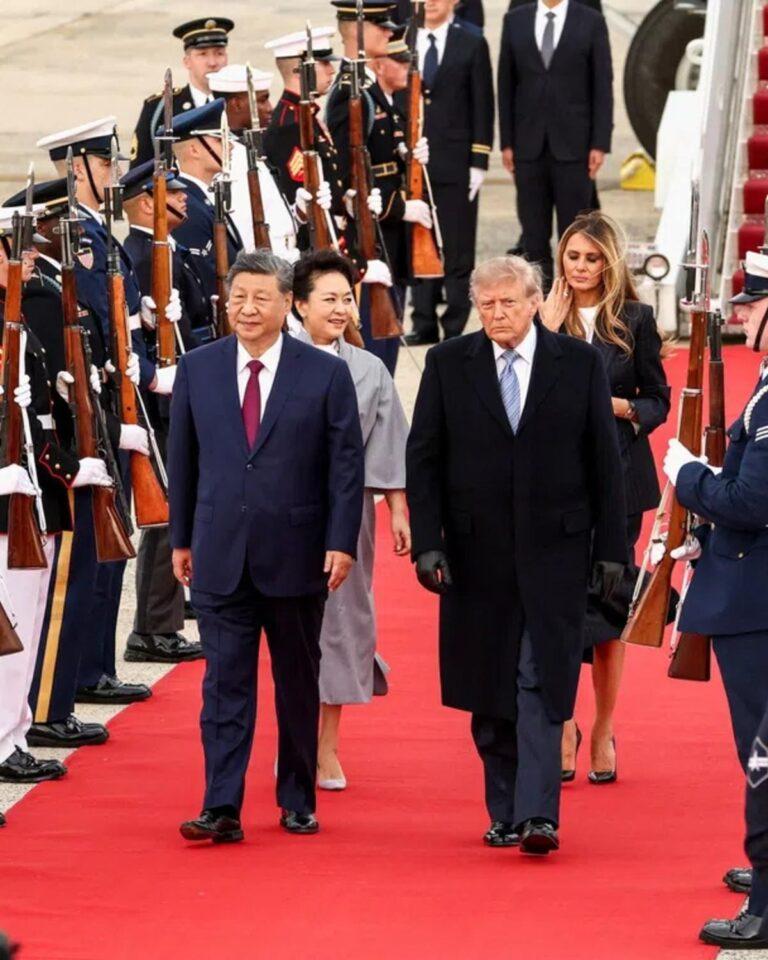
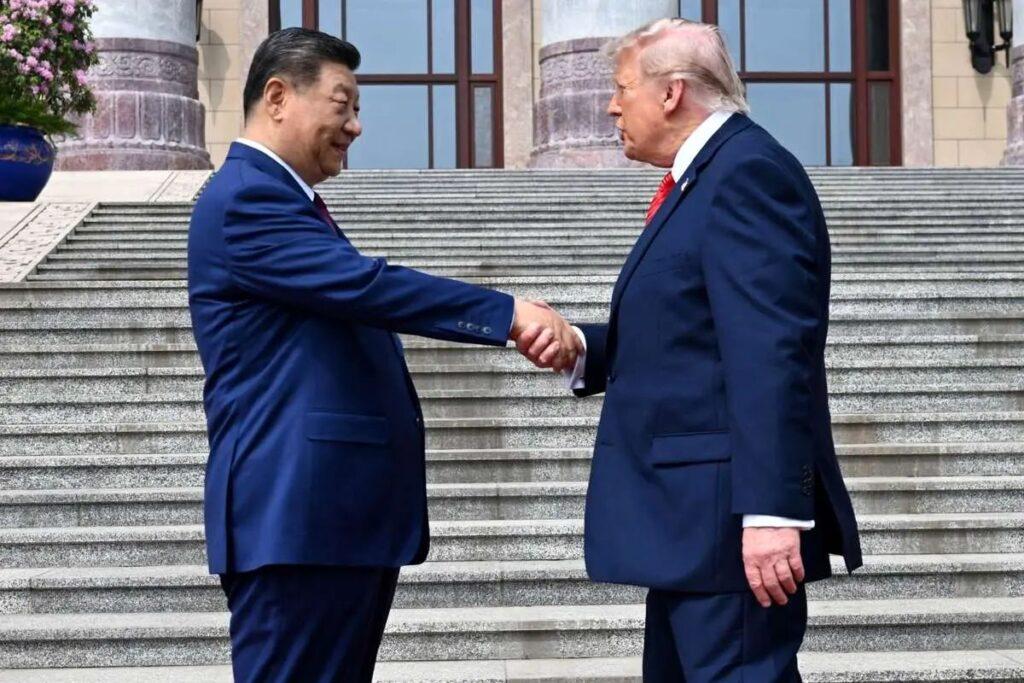
According to Agence France-Presse (AFP), the two leaders met in Washington on Thursday, with their direct talks lasting less than two hours. Trump gave Xi an elaborate welcome, while Xi said after the meeting that the two sides had reached “many new understandings.”
The most concrete outcome was the two-month extension of a temporary trade agreement that was due to expire in November.
The deal had eased some tensions between the world’s two largest economies, with Washington reducing some tariffs on Chinese goods and Beijing easing export restrictions on rare minerals needed by industries.
Dylan Loh, a professor at Singapore’s Nanyang Technological University, told AFP that the extension could provide “some relief on the trade front,” although China may have wanted a longer extension.
Differences over artificial intelligence also remain. Xi said AI should “always remain under human control,” while Trump has opposed calls for broader regulation of the technology. Loh said the two countries share concerns over some AI risks but differ on how they should be managed.
On Iran, Trump had previously urged China to help end the US conflict with Iran and reopen the Strait of Hormuz.
According to China’s official account of the meeting, Xi instead called on Trump to end the war and seek a negotiated solution with Tehran as soon as possible.
Rana Mitter, a professor of US-Asia relations at Harvard University’s Kennedy School, told AFP that China was unlikely to become the main mediator in the crisis or play a decisive role in resolving America’s regional difficulties.
On Taiwan, Xi again urged Trump to exercise caution and more explicitly called on Washington to oppose Taiwan independence.
AFP reported that US Secretary of State Marco Rubio had previously said a $14 billion US arms package for Taiwan was on hold and under review. Trump also said in May that arms sales to Taiwan could be used as leverage in negotiations with China.
Ryan Hass of the Brookings Institution told AFP that the main significance of the meeting was the two leaders’ ability to manage US-China relations within a framework of controlled competition, rather than reaching a broad agreement.
Alongside the trade truce extension, China agreed to host 100,000 young Americans through exchange programmes over the next five years and to send two giant pandas to a zoo in Atlanta.
sa