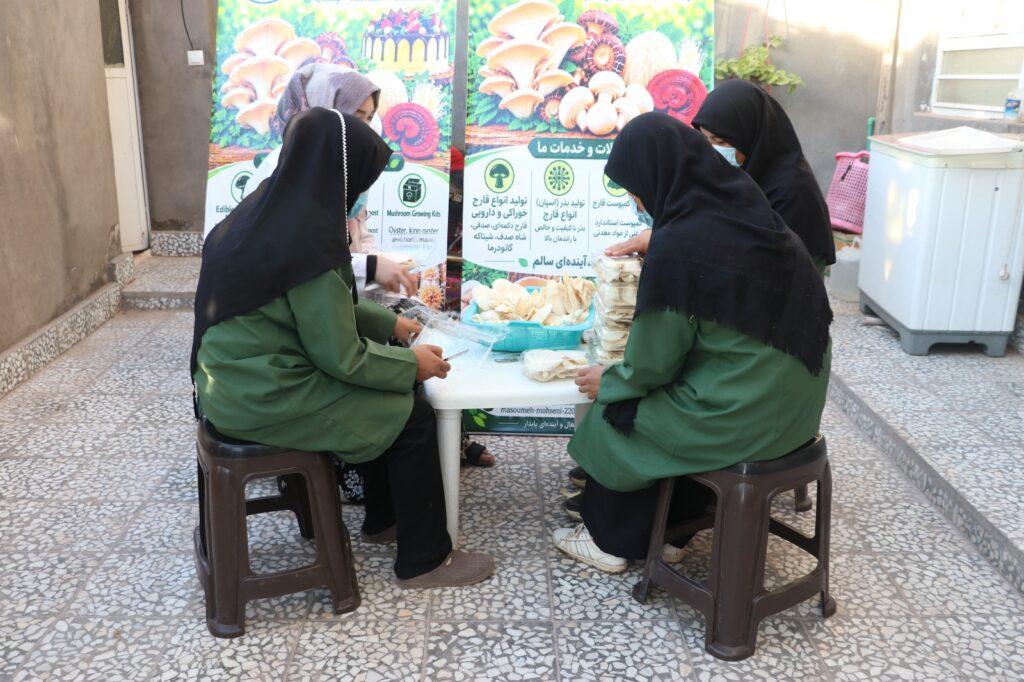

HERAT CITY (Pajhwok): Masouma Mohseni, a young woman in western Herat province who started her business with a small investment four years ago after receiving mushroom cultivation training in neighbouring Iran, has now seen her business grow.
She wants to expand her work, increase mushroom production and provide training and employment opportunities for more women.
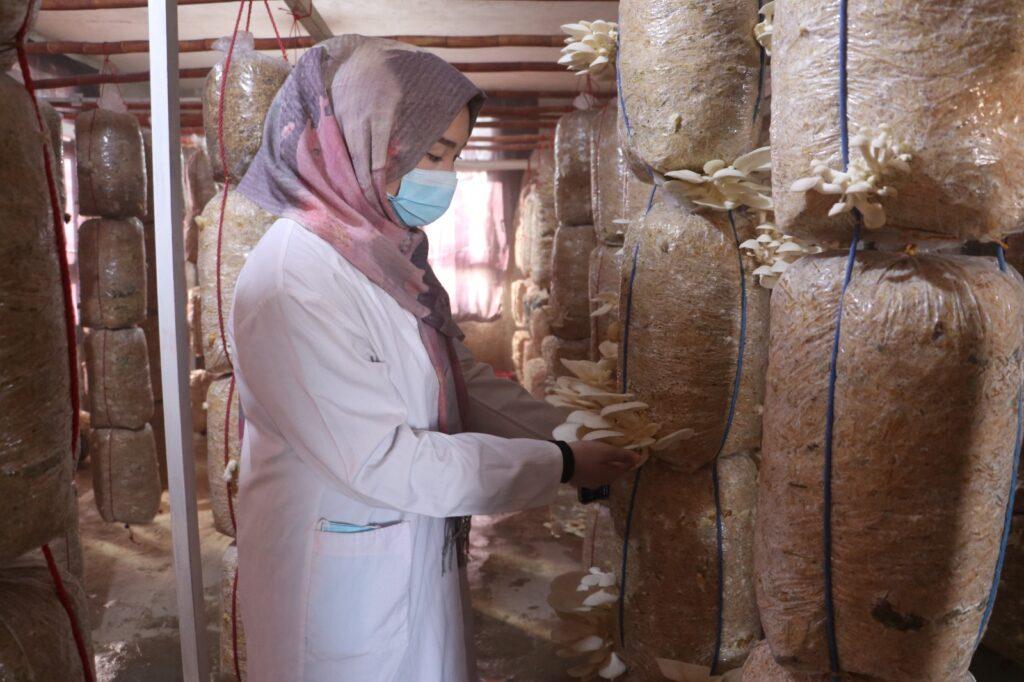
After completing mushroom cultivation training in Iran, Masouma began producing mushrooms with limited resources in a small space. She now also works on producing improved mushroom spawn and hopes to expand her business and establish a mushroom production factory in the future.
She explained: “One of our main and important goals is to promote the cultivation, buying and selling of mushrooms in Afghanistan. Afghanistan has considerable potential for producing nutritious products such as mushrooms. This activity can also encourage people to produce such products. In addition to their nutritional benefits, mushrooms are also economically beneficial and can contribute to strengthening agriculture.”
Alongside mushroom cultivation, Masouma is also working on producing improved spawn. She hopes to increase production by expanding these activities and establish a mushroom production factory in the future.
How mushrooms are cultivated?
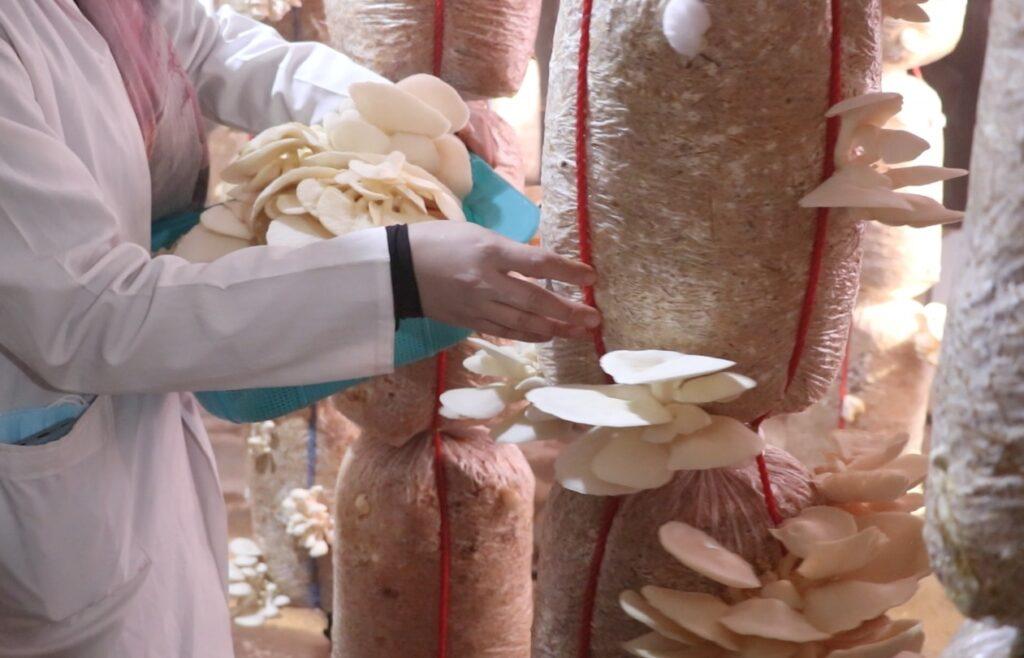
Mushroom cultivation requires preparing the growing medium and providing suitable conditions for growth. In this method, straw is prepared and disinfected before being mixed with mushroom spawn and placed in bags to allow the mushrooms to grow.
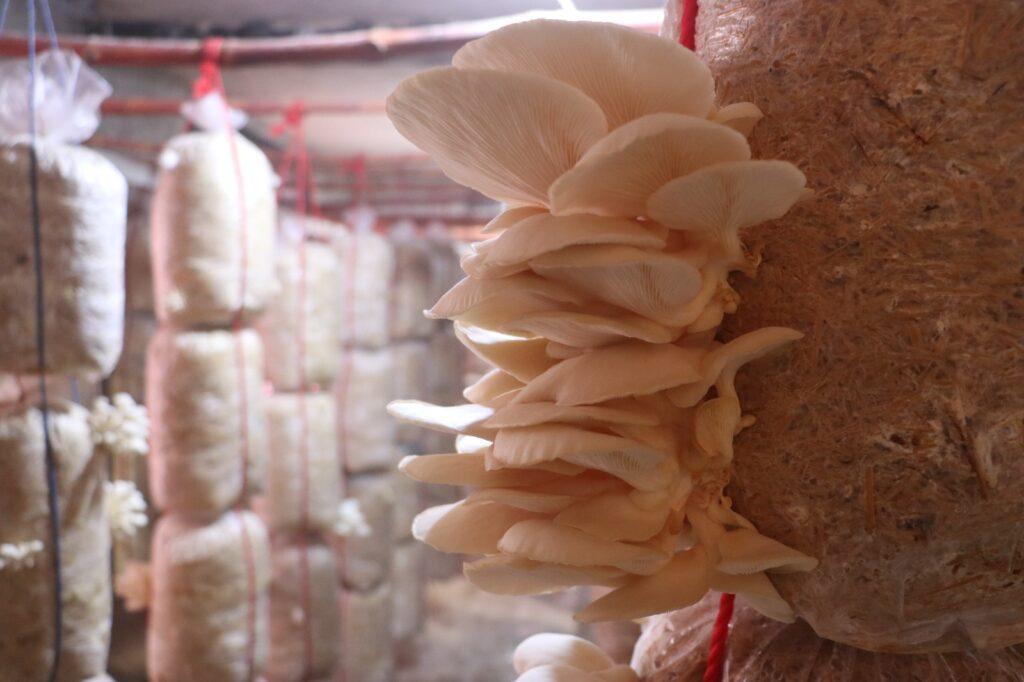
She explains that if the straw is properly sterilised and mixed with improved spawn, mushrooms can be ready for harvesting within around eight to 25 days.
She adds that the yield from each bag depends on its size. For example, a 10-kilogramme bag can produce around two to five kilogrammes of mushrooms.
Training girls alongside production
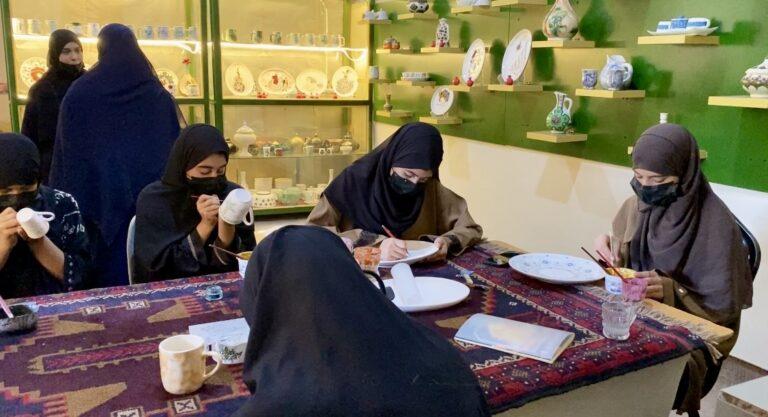
Masouma’s work is not limited to mushroom production. Girls are also receiving training alongside her to learn the stages of mushroom cultivation and preparation. This skill could help them secure independent employment in the future.
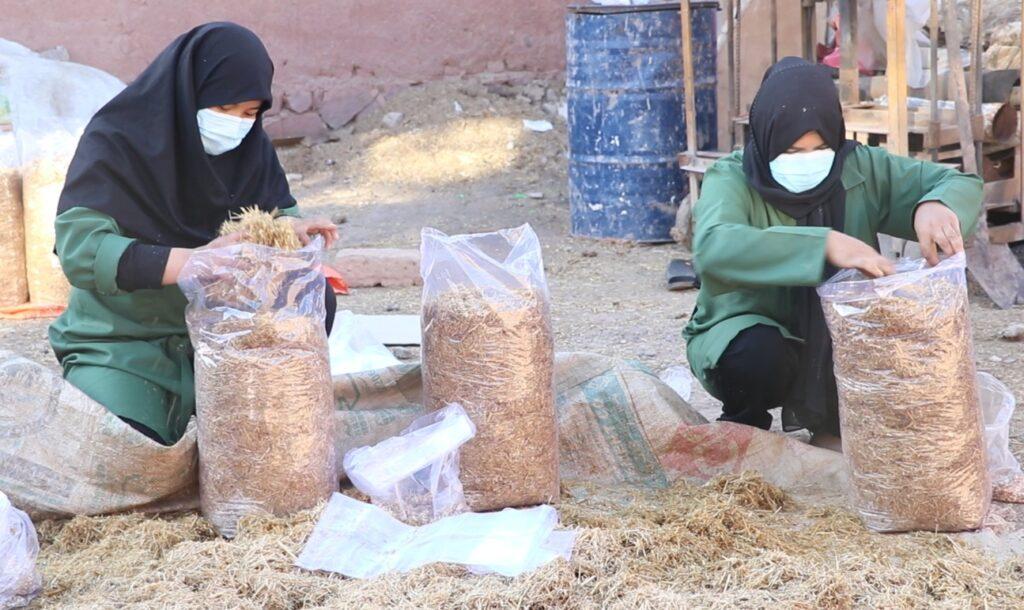
Malika Haidari, one of the trainees, said: “I started learning mushroom cultivation about two months ago. During this period, I have learnt how to prepare the growing medium and regulate humidity, temperature and ventilation.”
Masouma Muradi, another trainee, said that she previously knew little about mushrooms but now has a better understanding of their production methods and nutritional value.
For these girls, the training provides an opportunity to learn a new skill while gaining practical experience in the production process.
Sales market, public awareness of mushrooms
Masouma’s father also helps her sell the product and deliver it to customers. He plays a role in introducing mushrooms to the market and delivering orders.
According to the family, this has not been easy because some people are still unfamiliar with the product.
Ishaq Ali Mohseni, Masouma’s father, said: “People are still not particularly familiar with mushrooms, but our sales are generally good. We sell directly to customers and receive online orders, delivering mushroom packages to our customers.”
Increasing public awareness of mushrooms and expanding the sales market could influence the future of this business.
Masouma’s father hopes that better promotion of the product will attract more customers and encourage more families to include mushrooms in their diets.
Women’s entrepreneurship, expanding economic activities
Mohammad Rafiq Shahir, an economic expert, said women with knowledge and expertise can start their own businesses and recruit other women and girls as employees or trainees, passing on their skills to them.
He said continuing this process could help expand economic activities and create new entrepreneurs, enabling trained women to establish independent businesses in the future.
Pajhwok tried to obtain the views of the Herat Department of Agriculture, Irrigation and Livestock for this report but was unable to make contact.
kk