Language

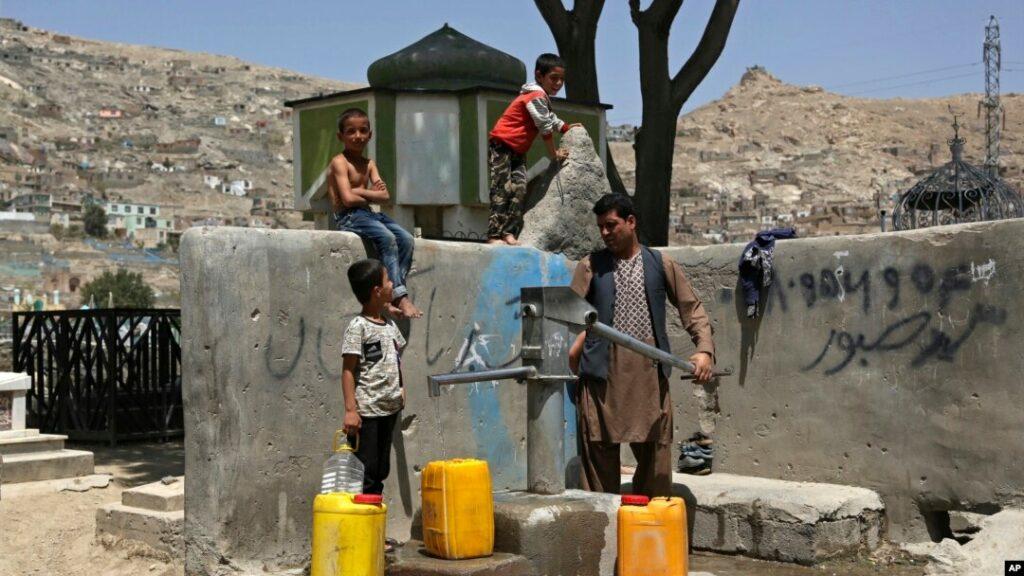
Kabul’s groundwater plummets 12 meters this year
By Abdul Basit Karokhel

June 26, 2021 - 7:47 pm

Views: 346

KABUL (Pajhwok): The National Water Affairs Regularity Authority on Saturday said Kabul’s groundwater plummeted 12 meters this year, describing it worrying but said the government has some plans to address the problem.

The authority said they were concerned about the excessive use of water and the increase in population in the city as annual water consumption in Kabul has reached 100 million cubic meters.

“The government is working to address the water shortage in Kabul and measures such as regulation of excessive use of groundwater, work on a number of dams in the city, the transfer of water from the Panjshir River, awareness program on the importance of water and prevention of its excessive use”, said NizamuddinKhpalwak, spokesman for the National Water Affairs Regularity Authority.

<strong>Concerns and reasons </strong>

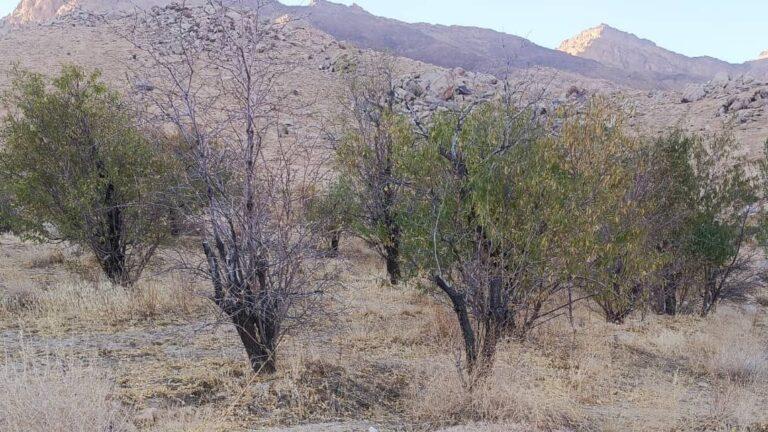
Khpalwak said in an exclusive interview with Pajhwok Afghan News that climate change and rising global warming had caused droughts around the world and that Afghanistan was no exception.

He said that as a result of climate change, rising global warming, and declining rainfall, surface and groundwater in Kabul and some provinces had dropped significantly.

According to their assessments, he said, the groundwater level has dropped by more than 12 meters this year.

According to him, their investigations in the Khair-Khana area of Kabul showed the water level was 25 meters, in Karte Naw it was 20 meters and in Bagrami it was 60 centimeters.

He said that the increasing population in Kabul city had resulted in increase of various commercial, industrial, construction, etc. activities and as a result of these activities, the use of water has increased.

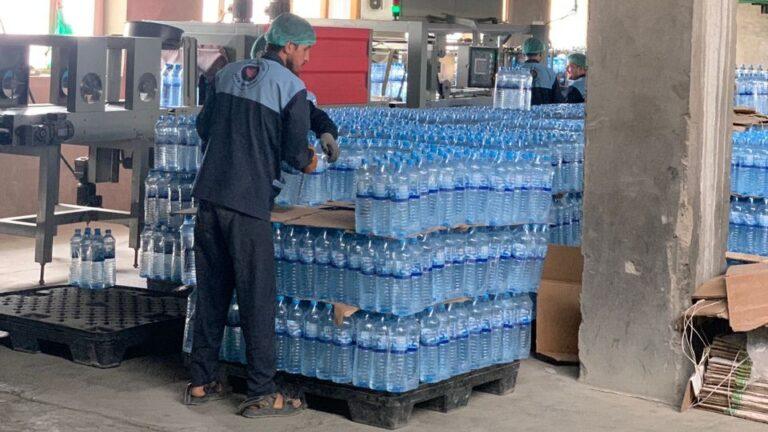
Other factors behind the declining groundwater were establishment of non-alcoholic beverages, mineral water companies, car washes, construction of residential settlements in Kabul and uncontrolled and non-standard use of groundwater, he said.

It is noteworthy that in the past as well officials had expressed concern about the increase in population in Kabul.

Engineer Mohammad LatifMuzaffarKhel, technical director at the Water Supply and Sewerage Company, called the groundwater depletion as worrying said, “We have the most water shortages in areas of 5th, 13th, 7th, 6th, 11th  and 15th  districts.”

Eng.Nik Mohammad, head of control and inspection at the National Environmental Protection Agency, told Pajhwok that groundwater depletion was a matter of concern

He said the main source of groundwater in Kabul was snow and rain, which was stored around the city of Kabul in the Paghman Mountains, ChaharAsyab and originates from there. An example of this is Qarghai and KolHeshmat Khan Dams, which are the water resources of Kabul city.

He described digging of deep wells by citizens, especially mineral water companies, as worrying. But to solve the problem, the government should stop the activities of mineral water companies that consume more.

Abdul HadiAchakzai, head of the Environmental Volunteer Network, said, that the drought is on the rise, with groundwater in KoteSangi and Qala-e-Vahed falling sharply and people are worried.

He said there was no data to determine the groundwater of Kabul and if any data was available, it was not credible. “No research has been done so far and research does not cure pain if it is done in a small area of the city.” He added that practical plans should be put in place to solve this problem.

Officials said the government has also taken steps to address the water shortage in Kabul.

<strong>A regulation that prevents improper use of groundwater</strong>

Nizamuddin Khpalwak referred to the digging of deep wells by citizens of Kabul and excessive use of groundwater a serious problem.

He said groundwater regulation has been formulated within the framework of the law regulating water affairs.

He added that the regulation will be completed soon and submitted to the High Council for Water, Land, Urban Development and Environment for legal action.

<strong>Water from Shatoot Dam, Shah and Arous Dam, the transfer of water from Qarghai Dam and the Panjshir river can solve the water shortage problem in Kabul</strong>

According to a report, an agreement has been reached to build the Shatoot Dam in ChaharAsyab district.

In presence of President Ashraf Ghani and Prime Minister of India Narendra Modi, the agreement was signed during a virtual video conference between the foreign ministers of India and Afghanistan on construction of Shatoot dam about a year ago.

Officials at the time said the dam, which would be 92 meters high and 60 meters wide, would be built over six years at a cost of $286 million with Indian aid and with its completion, it will provide drinking water to two million residents of Kabul.

The dam will have a storage capacity of 146 million cubic meters of water, which will have five canals for irrigation and one canal for drinking water.

NizamuddinKhpalwak did not comment on how construction of the dam began.

<strong>Shah and Aros dam is ready to store water </strong>

The construction of Shah wa Aros dam in ShakarDara district, one of Afghanistan's major national projects, began in 2012 and was recently completed.

The dam will be commissioned soon, Khpalwak said.

The dam, built at a cost of $53 million from the Afghan government, will regulate 33 million cubic meters of water annually, store 9 million cubic meters of water and irrigate 2,700 hectares of land and will produce 1.2 megawatts of electricity.

The transfer of water from the Panjshir River to Kabul is another project that will help reduce water shortages.

According to published reports, officials had previously stated that in the 1399 budget, 390 million afghanis were allocated for the transfer of water from the Panjshir River and 78 million Afghanis for the Kabul groundwater recharge project.

At the time, they said that with the implementation of this project, 100 million cubic meters of water would be transferred from the river from a distance of 127 kilometers, from Bazarak district of Panjshir to Tarakhil area in Kabul by water pipes.

Officials said the 11th, 15th, 18th, 19th and 21st districts of Kabul will be covered by the water that will be transferred from the Panjshir river to Kabul.

According to government officials, the Panjshir River water transfer project to Kabul will be operational in three years.

A spokesman for the National Water Regulatory Authority said,” Insha'Allah, we will actually start this program in the coming days,” referring to the progress of the Panjshir River water transfer.

<strong>Artificial feeding program</strong>

Khpalwak said one of the ways to combat the drought is to implement artificial groundwater recharge programs, which are used in different parts of the world.

He added that through this program; in the areas of Rahim Dooghabad Castle, ponds have been constructed and surface absorption wells have been dug, as a result of which 3.1 million cubic meters of water is injected into the ground annually.

He said, in the main phase of the project, which will begin this year, several storage, feeding and diversion ponds will be built along with absorption wells in other areas of the city, which will be effective in increasing groundwater.

<strong>Awareness programs to prevent excessive water use</strong>

Khpalwak said the Afghan government is also launching awareness programs to prevent citizens from using water indiscriminately.

He added that citizens should know how to prevent water wastage. For example; repairing leaks and creating water storage facilities in residential houses and other places would help overcome the problem. He also said that citizens will be taught how to store rainwater and snow.

<strong>Bk/ma</strong>