Language

New restrictions on media worrisome: Female journalists
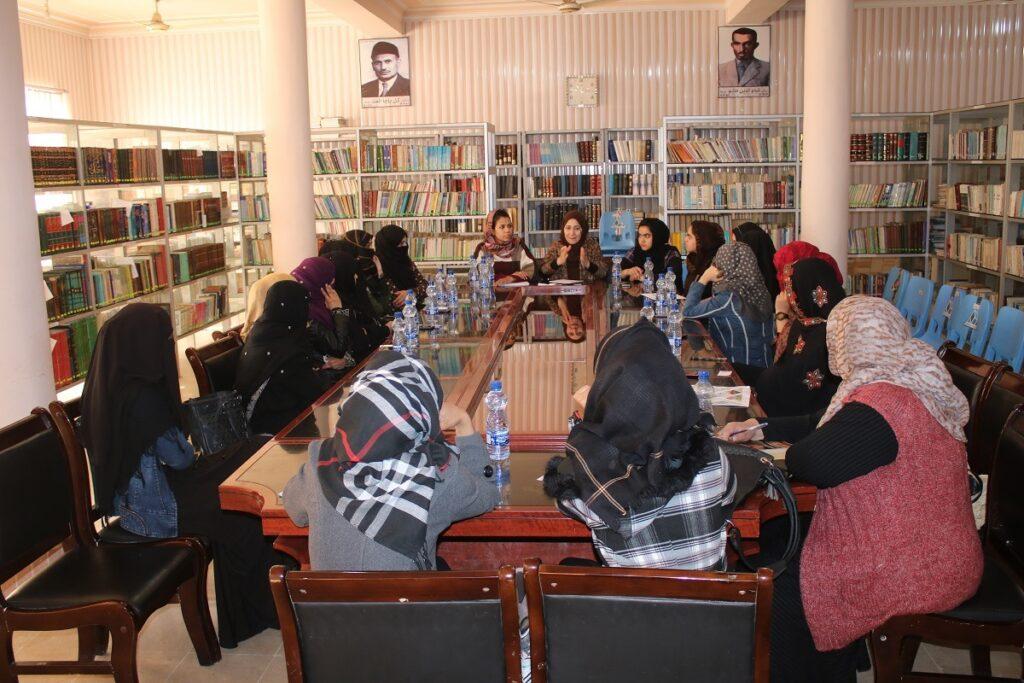
KABUL (Pajhwok): A number of female journalists in capital Kabul say they continued to work without limitations after the recent political changes in the country, but new restrictions announced by the government on media, non-payment of salaries and lack of access to information are their main problems.

Pajhwok Afghan News interviewed a number of female journalists who said that non-payment of their salaries on time and reduction of their salaries was one of the main challenges for journalists. They say that lack of access to information and new restrictions on media is also worrisome.

Reduced salaries and their late payments are main challenges of journalists

Some respondents in Pajhwok interviews say that after the regime change in the country, their salaries are not paid on time, while others say that their salaries have been cut short.

HossaiAhmadzai, a correspondent for Shamshad Radio and Television, told Pajhwok that she was happy women could continue their work in the press after the fall of the previous political system, and that there were no obstacles to their activities.

However, she said that salaries of employees of media outlets have been reduced besides they are not paid on time due to restrictions on cash withdrawal from banks.

FarkhandahMohebbi, a reporter for the Farhat News Agency, shares a similar view and said, "After the fall of the government to the Islamic Emirate, everything disrupted in the country and unfortunately we did not receive our salaries since the last two months.”

She also said that the salaries of most of the agency's employees had been cut by 50 percent.

"Our colleagues and most of the people are facing a very bad economic situation at this time, our salaries are not paid on time even they are reduced, we are all under stress," she said.

Shana News correspondent BasiraMotamed said, "After the fall of the previous political system, I was able to continue my work without any restrictions.”

However, she like many other journalists complained about her economic problems, and said, "With the Taliban rule, our salaries from our offices have been reduced and we have no any other income."

Pajhwok tried to get a response from media officials or one of the journalists' rights organizations, but failed.

HojjatullahMujaddidi, deputy head of the Free Journalists Association of Afghanistan, told Pajhwok Afghan News that they had launched a survey on the problems of journalists and the media after the fall of the previous political system. He said that the survey will be shared with the media after completion.

He declined to comment on problems regarding the salaries of journalists.

Access to information is another challenge for journalists

Journalists say that access to information was not easy in the previous government and journalists faced many challenges, but the problems have increased now.

"Journalism was difficult even during the previous government. We had a lot of problems in getting information from officials, whenever we asked the officials for information about an issue, they would make excuses or criticize media," Zainab, a correspondent for Radio Killid in Kabul, said.

She said that in the previous regime, most of the spokespeople had a very good relationship with the visual media such as television channels because they thought their performance was displayed well through TV channels.

"With the arrival of Islamic Emirate, access to information has become more difficult than before; because there are fewer people who have to respond to the media or share information, or there are those who do not respond,” she said.

She said that there are no spokespersons in most government departments and even if there are, they do not cooperate. Citing an example, she said that the Ministry of Public Health has a spokesperson but does not respond to the press except for a few press conferences.

"Access to information has become a bit difficult, it is not as it should be because sometimes officials refuse to share information, no restrictions have so far been applied in our office, but they have ordered banning contents which are against Islamic values,” HussaiAhmadzai, a journalists of Shamshad TV channel said.

A number of other journalists also held similar views.

Pajhwok shared problems of journalists about their access to information with the government spokesman,ZabihullahMujahid, AhmadullahWasiq and his deputies AnamullahSamangani, but they did not respond.

New restrictions imposed by the government

A day earlier, the government announced that female TV presenters should observe Islamic hijab and TV channels should refrain from broadcasting movies and series in which women play a role.

On the other hand, a number of female journalists are concerned about the restrictions.

"Restrictions which recently imposed can limit the space for journalism, they mentioned about women’s Hijab in TV channels, no any female presenters so far violated Hijab,” MarwaMahbob, a journalist from Kabul said.

She also expressed concern over banning of serials and films in which women should not have a role, and said that all Islamic countries currently produce films and serials in which women play a role.

She said that such a restriction should not be imposed and Afghanistan should move forward like other Islamic countries within the framework of Islamic law.

LidaMalikzadah, a reporter of TOLOnews also called the restrictions imposed by the government on the media as worrisome.

She said that no presenters or journalists appeared without hijab on TV screens and they always observed it even under the previous government.

Pajhwok shared problems of journalists regarding new restrictions and their concerns with government spokesmen, but they did not respond.

Mds/ma