Language

Don't you have an account with Pajhwok Afghan News?

Click here to subscribe.

Nimroz education sector faces serious issues
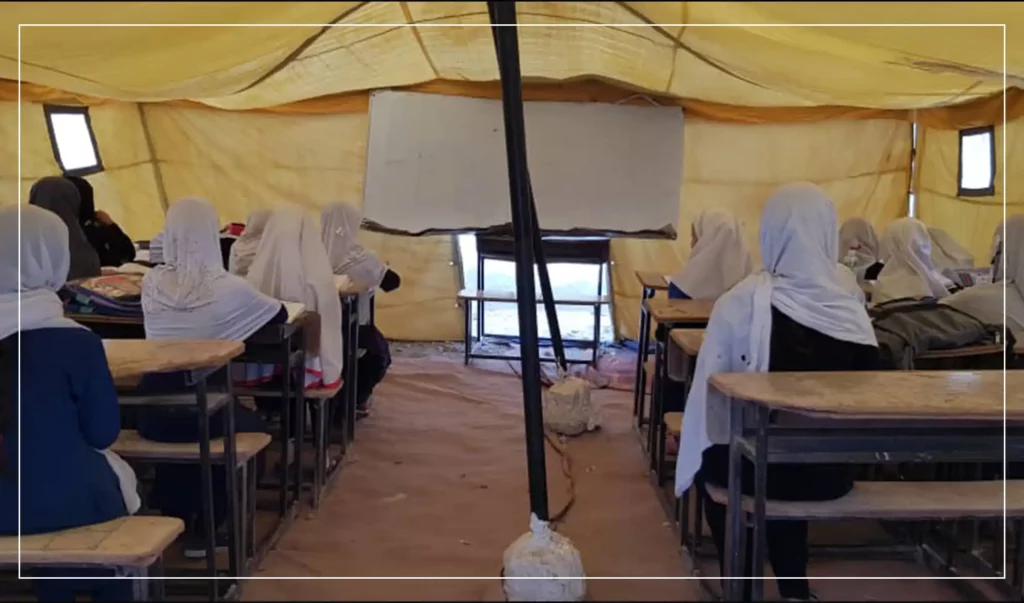
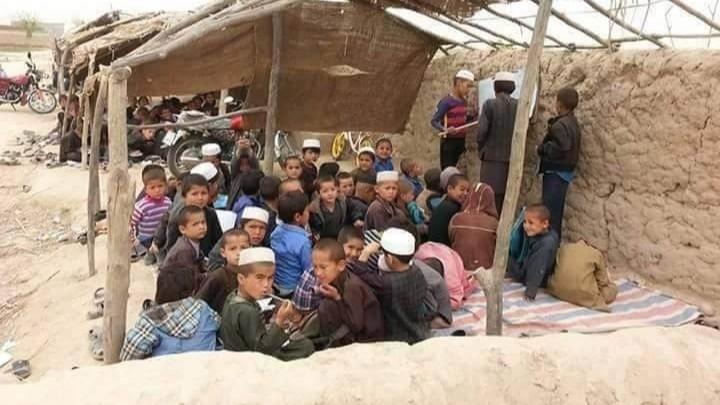
ZARANJ (Pajhwok): The shortage of textbooks, lack of teachers and several other problems has forced many schools in some districts of southwestern Nimroz province to be closed, an official said on Thursday.

Mawlavi Gulbuddin Sharifi, a senior official of the Education Department, during an exclusive interview told Pajhwok Afghan News, over the past several years the Nimroz Education Department was facing shortages in different areas and this issue slow-paced the education system in the province.

He said the shortage of textbooks, none-availability of infrastructure, closure of some schools in some districts and lack of funds for the rehabilitation of school buildings were some of the basic issues the education department was facing.

Sharifi explained currently the provincial Education Department wad facing the shortage of 500 teachers and on the bases of this issue most school in some districts remained closed.

“In every district, two or three schools are opened and the remaining are closed. We have 16 schools in Khashrud district out of which three are active while the remaining are not active due to the none-availability of teachers. Even during the initial time of republic system Nimroz province was not provided with enough teachers, we had contract based teacher and that process was revoked after the fall of republic system and caused a huge problem,” he said.

He termed the lack of professional or cadre persons in the districts another huge problem and said: “Thirty-two posts were vacant in one of the district, only two persons from the applicants managed to pass the entry test because there is not professional and qualified people available.”

He said most schools in the district were without buildings because there is no fund available for the construction and rehabilitation of schools, only two schools were rehabilitated with the support of an NGO in Zaranj, the provincial capital.

According to Sharifi, of total 46, schools in Zarang 28 have building, 17 are without building.

In Dilaram district five schools have building, 10 are without building, in Chahar Burjak district, eight schools have buildings and 11 others are without building, in Chakhansur district, four schools are without building, in Kang district, nine schools have buildings while eight are without building.

He said UNICEF will support the construction of Abdul Rahman Pahlawal and Ghulam Haidar Khazae schools while the Farakhi, Shahid Gab Mohamma and Nawan Zaranj schools needed rehabilitation. The Rodaba School building is in dangerous condition.

He acknowledged 21 teachers had been appointed on the bases of order from the Governor Office and direction of the Education Ministry but added their appointment was made during previous director tenure and in the future such appointments would be prevented.

When asked about the delay in the announcement of vacant posted by the National Examination Authority, he said: “Currently, 27 posts had been announced and these are the posts of deputy director. After the takeover of the Islamic Emirate we get the permission for the re-appointment of 300 teachers that were fired by the previous administration.”

He added the lack of fund for the Nimroz Education Department was also a huge issue and it hampered the education system of the province.

He said when 500 new posts are allocated; education related problems in the districts would be resolved.

Due to the lack of fund the education system monitoring process in the districts had been stopped adding if funds were made available most needed equipment for the schools would be purchased.

Sharifi termed the lack of textbooks another major issue and added the entire education system was damaged due to this problem.

He said: “Most schools in the districts are not operating; we face the shortage of 10,000 books in Zaranj. We had already demanded but still not provided. We even asked local businessmen to help in the purchase of textbooks.”

He explained after the approval of recommendation regarding the shortage of teachers, high school teachers and women employees had been appointed to teach primary and intermediate school classes.

Sharifi said increase in the number of madrassas was one of the huge achievements of the education department and added madrassas were financially weak because businessmen had stopped supporting them.

People in Nimroz province were cooperative with the Education Department in resolving the problems related to education, he added.

“This year firewood could not be purchased for schools then local businessmen purchased 17 gas capsule and 17 gas heaters for the Sistan and Farkhi schools. Some people provided firewood and 15 teachers were appointed by a welfare council and it will pay their salary,” said Sharifi.

He hoped that authorities in the centre will help resolve the problems faced by the education sector in Nimroz province.

nh

Related Topics

GET IN TOUCH

SUGGEST A STORY

Pajhwok is interested in your story suggestions. Please tell us your thoughts by clicking here.

PAJHWOK MOBILE APP

Download our mobile application to get the latest updates on your mobile phone. Read more