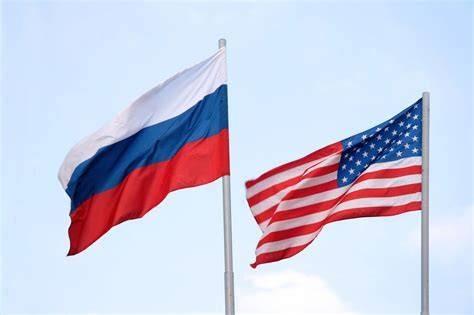
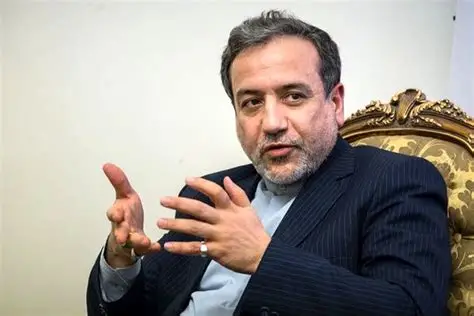
KABUL (Pajhwok): Iranian Foreign Minister Abbas Araghchi has said negotiations between Iran and the United States are being conducted in two stages, adding that talks on a final agreement will not proceed unless the provisions of a memorandum of understanding are implemented.
He said that if the memorandum is signed, Iran’s frozen assets would be released and the US naval blockade would be lifted.
Araghchi told state television on Friday that the memorandum could be signed once the final stages of negotiations are completed, Tasnim reported.
He added that the draft text had undergone several revisions, warning that public discussion of its details at this stage could heighten media tensions and complicate the signing process.
The Iranian foreign minister said the nuclear issue had been deferred to the final agreement stage, adding that US nuclear-related demands were unacceptable to Tehran at this stage of talks.
According to him, the memorandum would also provide for the release of Iran’s frozen assets upon implementation.
He said the US naval blockade was among the first issues the agreement sought to address, adding that international law did not permit the collection of tolls from vessels passing through the Strait of Hormuz.
However, he said charges could be imposed for services provided, and this would be formalised during negotiations.
Araghchi said: “Our sword will always remain over the Strait of Hormuz, and whenever necessary, Iran’s armed forces will intervene.”
He added that service charges would be introduced for the Strait of Hormuz and that such services would no longer be provided free of charge. He also said the administration of the strait would not return to its pre-war status.
Araghchi said the conflict occurred because Iran refused to compromise on its national interests during negotiations and chose resistance, adding: “The enemy will not obtain through negotiations what it failed to achieve through war.”
He said Iran had not yielded to threats, adding that Tehran had conveyed to the other side that pressure produced the opposite effect and that Iran was prepared for any escalation.
The minister said the Supreme National Security Council was fully informed of and overseeing the negotiation process.
He also said the agreement faced opposition, particularly from Israel, which he accused of seeking to create obstacles to undermine the deal. He added that Israel should withdraw from Lebanon.
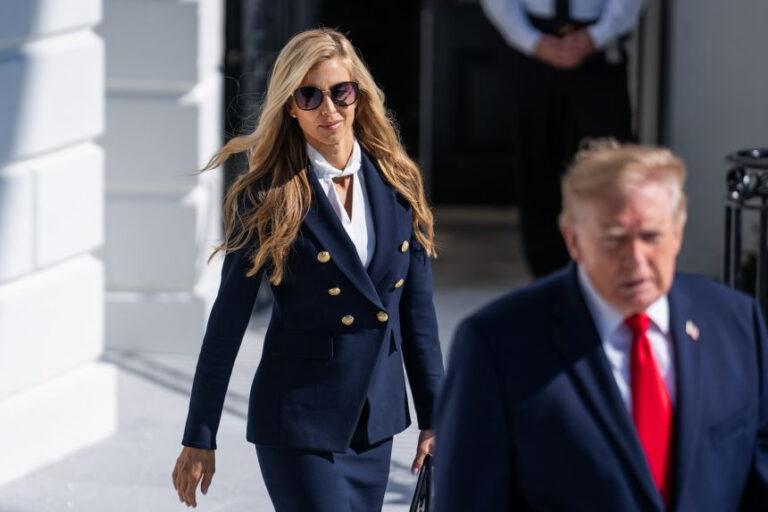
His remarks came a day after US President Donald Trump said a final Iran–US agreement could be reached “soon” and possibly within days. He also said, in response to a question, that Iran’s Supreme Leader would likely approve the deal, to the best of his knowledge.
kk/sa