
KABUL (Pajhwok): The United Nations World Drug Report 2026 highlights an increase in global drug use and the growing spread of synthetic drugs, while identifying the decline in opium production in Afghanistan as one of the most significant developments in recent years.
The United Nations Office on Drugs and Crime (UNODC) released the World Drug Report 2026 on the occasion of the International Day Against Drug Abuse and Illicit Trafficking (June 26).
The report said the number of people using drugs worldwide continues to rise, reaching around 331 million in 2024.
According to the report, 6.2 per cent of the global population aged 15 to 64 used drugs in 2024, compared with 5.2 per cent in 2014. Cannabis remained the most widely used drug, with around 256 million users in 2024, followed by opioids (63 million), amphetamines (32 million), cocaine (25 million), and ecstasy (21 million).
The UN warned that drug traffickers are increasingly turning to the production and trafficking of synthetic opioids, including fentanyl, nitazenes, and other emerging substances. It said this trend could significantly reshape global opioid markets and pose greater public health risks.
The report added that trafficking networks are expanding their operations by using new technologies, adopting new production methods, and developing new routes for the distribution of synthetic drugs.
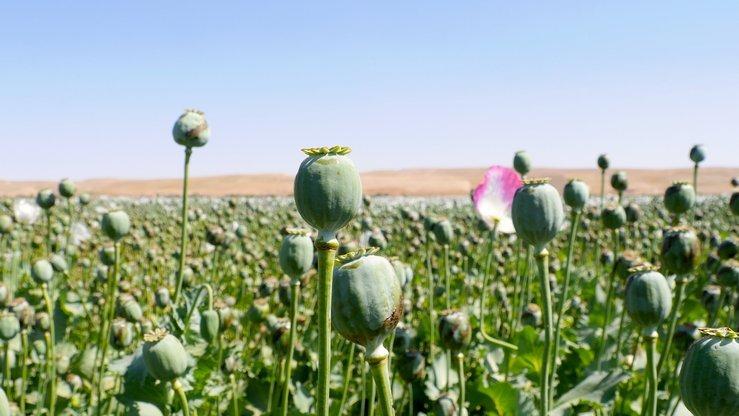
UNODC said the ban on poppy cultivation in Afghanistan since 2022 has resulted in a sharp decline in the illegal production of opium and heroin.
The agency added that despite an increase in opium production in Myanmar, global production remains below previous levels due to the significant decline in Afghanistan.
The United Nations called for stronger international cooperation, greater information sharing, efforts to combat organized crime, prevention of drug use, treatment for people affected by addiction and the creation of sustainable livelihood opportunities for vulnerable communities.
sa