
KABUL (Pajhwok): The United Nations Development Programme (UNDP) has highlighted the critical role of the private sector in Afghanistan’s economic growth, stressing the need to expand access to finance, support small and medium-sized enterprises and create employment opportunities.
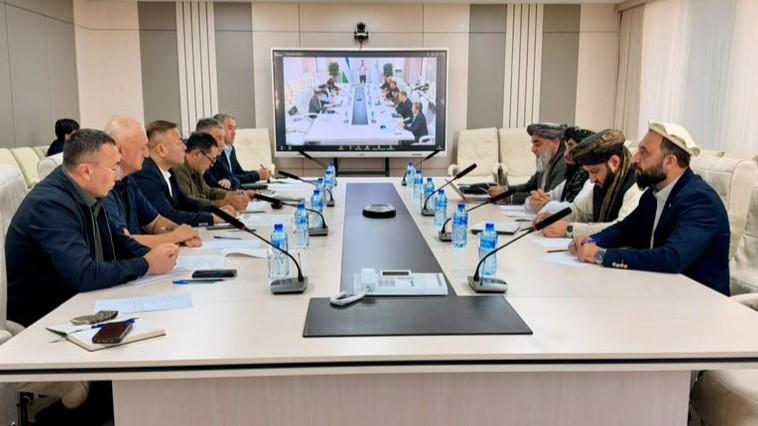
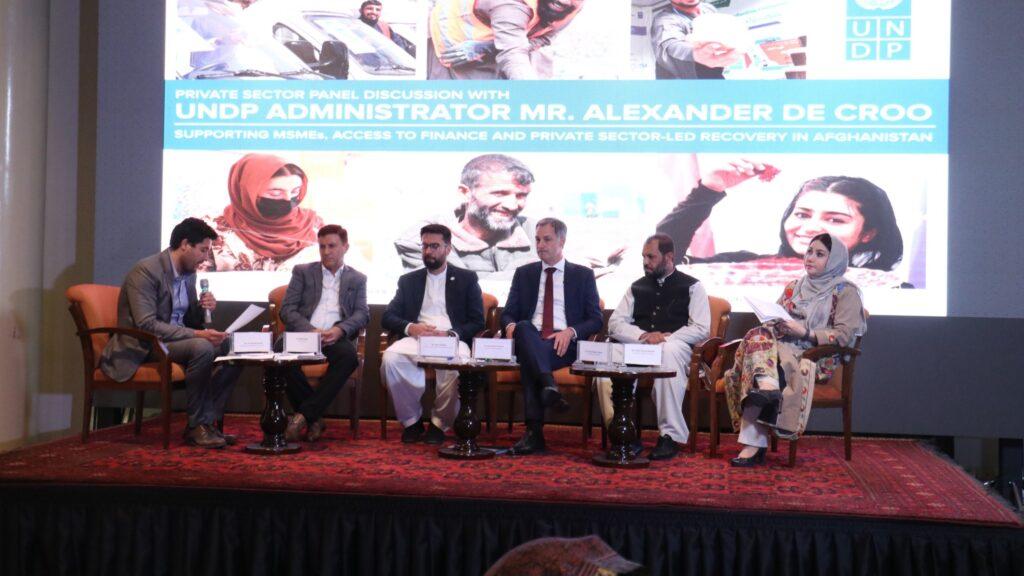
The remarks were made during a private sector dialogue organised by UNDP in Kabul, attended by UNDP Administrator Alexander De Croo, representatives of the private sector and microfinance institutions.
Participants discussed the role of the private sector in Afghanistan’s economic recovery, improving access to financial resources, supporting micro, small and medium-sized enterprises (MSMEs), strengthening women-led businesses, creating jobs, revitalising markets and building long-term economic resilience.
Speaking at the event, De Croo said Afghanistan had made significant progress in several areas in recent years and that these achievements should be shared with the international community.
He said notable progress had been made in security and stability, fighting corruption, and reducing illegal poppy cultivation and drug trafficking, with poppy cultivation declining by 95 percent.
De Croo said the world was not sufficiently aware of these developments and that informing the international community about such progress was among UNDP’s responsibilities.
He said development assistance alone could not address Afghanistan’s challenges, noting that more than six million returnees had arrived in the country over the past two years, representing around 15 percent of the population.
He added that Afghanistan continued to face the effects of floods, droughts and earthquakes. Around 30 provinces experienced drought last year, while floods affected several provinces at the beginning of this year. He said more than 60 percent of the population had been affected by one or more natural disasters.
De Croo also said international funding for Afghanistan had declined by nearly $1 billion over the past year.
He noted that while poppy cultivation had been eliminated, the move had also resulted in a loss of more than $1 billion in annual income for farmers and workers in various parts of the country.
He stressed that economic growth, job creation and people’s ability to earn a living were essential for Afghanistan to achieve stability, self-reliance and a dignified life.
At the meeting, private sector representative Javed Wahedi said banks needed UNDP’s support to strengthen their ability to provide services to businesses.
“Despite the restrictions facing banks, we have started some initiatives and received approval from our board of directors. UNDP has effective and useful programmes, and it would be beneficial to discuss them further,” he said.
Wahedi added that there was significant potential for expanding Islamic finance and that more practical programmes should be developed.
Ahmad Shakeel, deputy policy head of the Afghanistan Chamber of Commerce and Investment (ACCI), said the organisation was working to strengthen the private sector and create a favourable environment for business activities.
He added that ACCI was working with the government to promote and support domestic production.
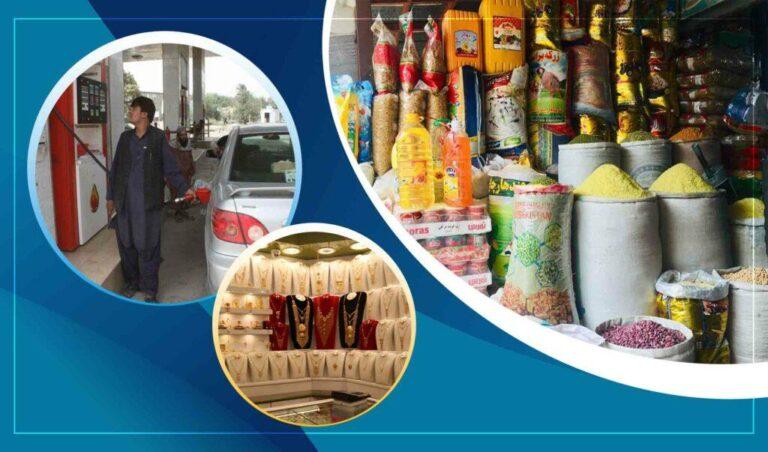
In a statement, UNDP said the private sector accounts for around 80 percent of Afghanistan’s economic activity but continues to face challenges, including limited access to finance, inadequate infrastructure and energy supplies, weak market access and reduced demand.
The organisation said MSMEs make up around 80 percent of Afghanistan’s private sector. It added that 74 percent of these businesses rely on family and friends for credit, while only eight percent have access to formal financial services.
UNDP said the dialogue provided an opportunity for private sector leaders and financial institutions to exchange views on barriers to economic growth, expanding access to finance, supporting women-led businesses, creating jobs and promoting inclusive economic development.
The organisation added that it had so far supported around 17,000 loans for MSMEs, provided more than $50 million in financing and helped preserve 37,000 jobs, 30 percent of which are held by women.
UNDP also said its clean energy programmes had provided services to 4.6 million people and supported more than 95,000 MSMEs through financing, skills training, market access, infrastructure development and digital financial inclusion.
sa