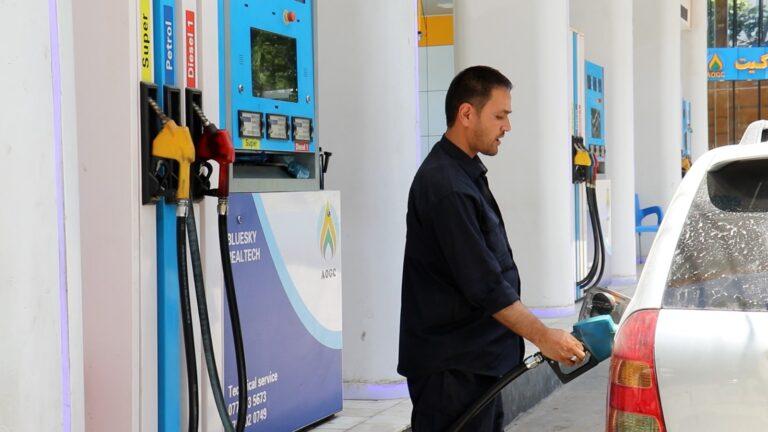
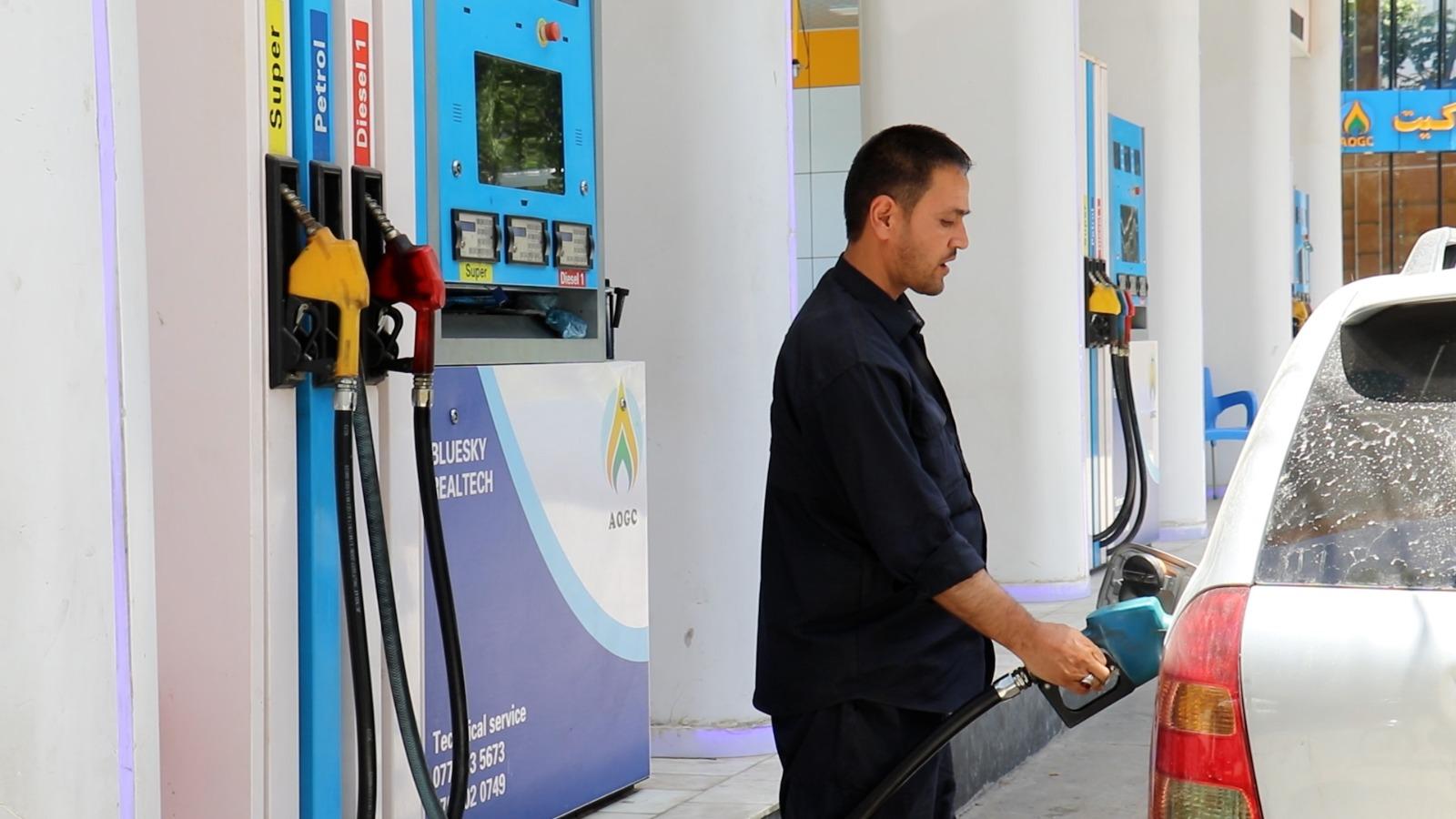
Kabul (Pajhwok): Amid rising prices of petrol and liquefied petroleum gas (LPG) in Kabul, residents of the capital, particularly drivers, have raised concerns over reduced supply and price differences across various areas.
They have called for stronger monitoring and regulation of the market. Economic experts attribute the price fluctuations to factors including the absence of strategic reserves, Afghanistan’s dependence on imports, and possible hoarding.
Officials, however, have linked the increase to global and regional developments, saying that strict market monitoring is underway and prices are expected to decline soon.
According to the Gulf market index (FOB Arab Gulf), on 4 July, the price of one barrel of petrol stood at around $91, diesel at $99, and LPG at about $70. By 16 July, petrol had increased to nearly $94 per barrel, diesel to $103, and LPG to around $74.
The Kabul Municipality on Thursday (16 July) issued a new price list, setting the price of petrol at 79 afghanis per litre, diesel at 73 afghanis per litre, and LPG at 74 afghanis per kilogram. On 4 July, petrol was priced at 73 afghanis per litre, diesel at 68 afghanis per litre, and LPG at 56 afghanis per kilogram.
Sellers cite supply disruptions behind price increases
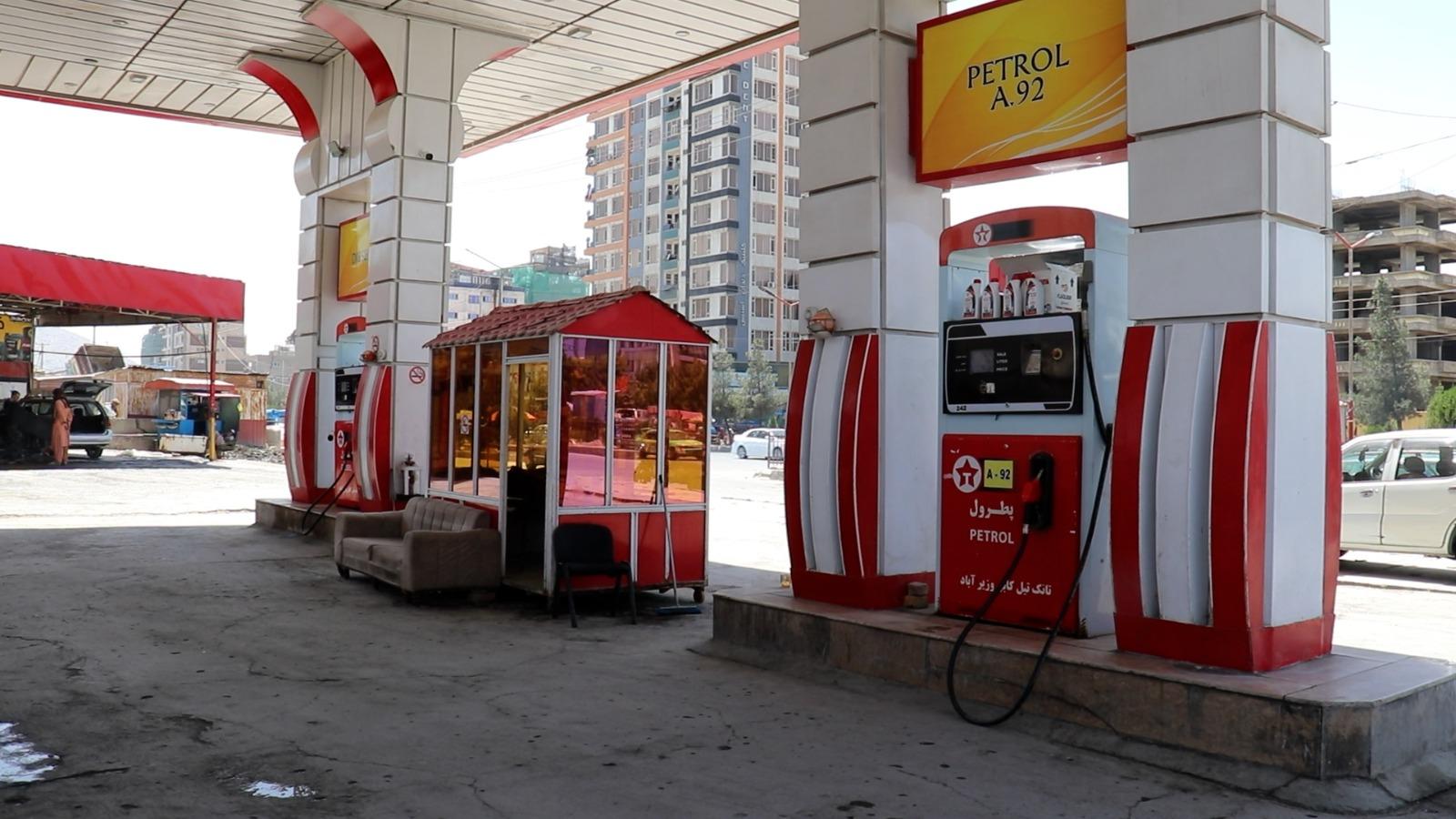
Hekmatullah Mohammadi, an employee at a fuel station in Wazirabad, Kabul, said the increase in fuel prices was linked to renewed tensions between the United States and Iran, adding that fuel imports from Iran have currently stopped.
“Prices have been rising for two weeks. The Salang route was closed earlier this month, preventing fuel supplies from that direction. The only remaining route is through Herat, but gas is currently unavailable to be transported here. Due to the conflicts, petrol and gas have become difficult to find,” he said.
Similarly, Shamsullah Basmal, an LPG seller in Kabul’s Kolola Pushta area, said one kilogram of gas was being sold for 85 afghanis, adding that prices had been changing for nearly two weeks.
“The exact reasons are unclear. Some people blame the closure of the Salang route, while others point to the conflict between Iran and the United States, but the actual cause is not known,” he said.
Rising prices fuel public complaints
Shams, a taxi driver, said the cost of filling his vehicle had increased significantly.
“I came to fill gas in my car. Previously, one litre of gas was 66 afghanis, but now it is 77 afghanis. It has become very difficult to afford,” he said.
He added that fuel prices had continued to rise over the past two weeks while taxi fares remained fixed at 20 afghanis, leaving drivers with little income.
He also complained about LPG shortages in Kabul, saying: “We visited several places today, but finding gas was very difficult. Many retailers have almost stopped selling it, and LPG is rarely available at fuel stations.”
Another taxi driver, Waris, said he had visited several fuel stations, but most had stopped selling gas.
“Two days ago, a fuel station in the Cement Khana area was selling one kilogram of LPG for 64 afghanis at 6 pm. By 9 pm the same day, the price had suddenly increased to 74 afghanis without any explanation. Today, it has reached 80 afghanis,” he said.
Ghulam Nabi Jabari, a resident of Darulaman, Kabul, also expressed concern over rising fuel prices, particularly LPG, saying prices varied significantly between areas.
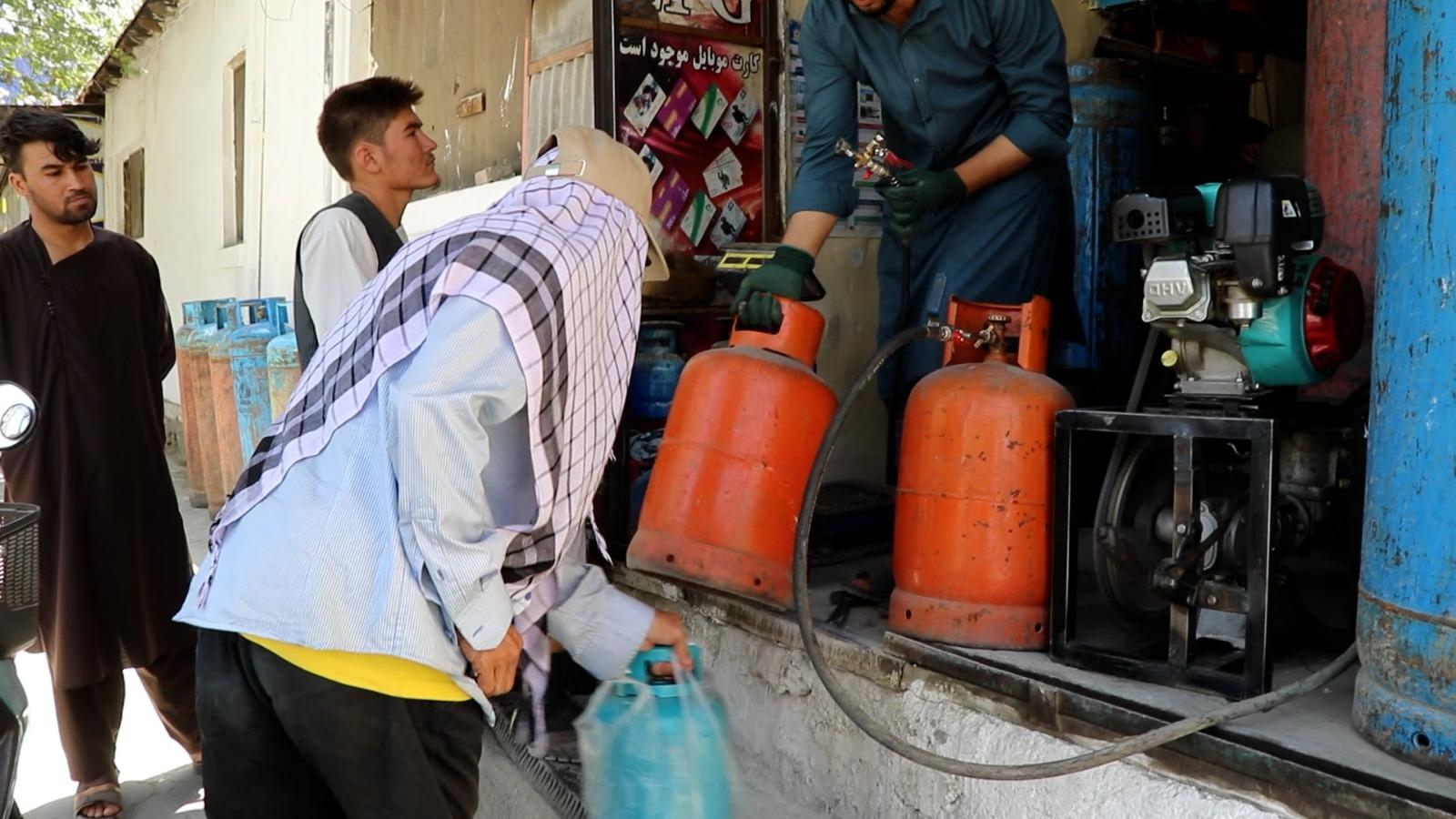
“Fuel stations say the price is 64 afghanis, but retailers sell it for 85 afghanis. We do not understand why prices have increased. Poor people cannot afford this,” he said.
Mohammad Naeem, a resident of Kabul’s 10th district, said he bought one kilogram of LPG for 60 afghanis last week, but the price had now risen to 85 afghanis.
“From what we hear, gas prices differ from one area to another. Every seller sets their own price,” he said.
All those interviewed urged authorities to take stronger action to control fuel prices.
Experts call for strategic reserves and diversified imports
Economic expert Abdul Nasir Rashtia said Afghanistan remains heavily dependent on imported fuel and that any disruption in global markets or supply chains directly affects domestic prices.
He identified the Russia-Ukraine war, tensions in the Middle East, the lack of strategic reserves, weak transport infrastructure, hoarding, and monopolistic practices as key factors behind rising fuel prices.
According to him, establishing strategic reserves and preventing market manipulation could help reduce severe price fluctuations.
Another economic expert, Qais Mohammadi, said continued conflict in the Middle East, reduced imports from Iran, declining Russian oil exports, and rising global oil prices were among the external factors contributing to higher prices.
He added that domestic factors include the absence of strategic reserves, currency fluctuations, dependence on limited import sources, hoarding, and reduced supply by some traders.
Mohammadi stressed that the government should establish strategic reserves, diversify import sources, expand alternative transit routes, increase competition among importers, and strengthen market monitoring to reduce Afghanistan’s vulnerability to regional crises.
Kabul Municipality vows action against violators
Nematullah Barakzai, spokesperson for Kabul Municipality, told Pajhwok that the municipality has been issuing official price lists in Kabul for more than four and a half years, covering essential commodities.
He said the recent increase in fuel prices over the past few days was real, but the municipality was responsible for ensuring compliance with official rates and preventing overcharging.
“If someone violates the rules for the first time, it is recorded on their license. A second violation results in the sealing of their shop. A third violation leads to a three-day closure, and a fourth violation results in referral to judicial authorities,” he said.
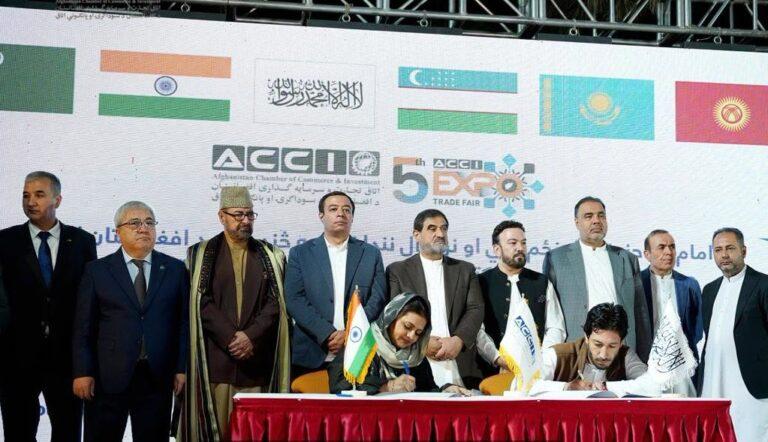
Mohammad Yunus Mohmand, acting head of the Afghanistan Chamber of Commerce and Investment, said fuel prices had increased not only in Afghanistan but also globally and regionally.
“Afghanistan imports fuel from countries where some reserves have faced problems. They are also experiencing shortages because of ongoing conflicts. We also imported fuel from Turkmenistan, but they do not have sufficient reserves either. This has contributed to rising prices in Afghanistan,” he said.
However, he did not provide details about possible measures by traders or the chamber to address the issue.
Meanwhile, Kochi Yusufzai, spokesperson for the state-owned oil and gas company, said that to prevent shortages and stabilize the market, 1,000 tonnes of LPG and 1,200 wagons and tankers carrying petroleum products had arrived at the country’s ports this week.
The company said the shipments would soon enter the market and that increased supply was expected to help reduce fuel prices.
sa