
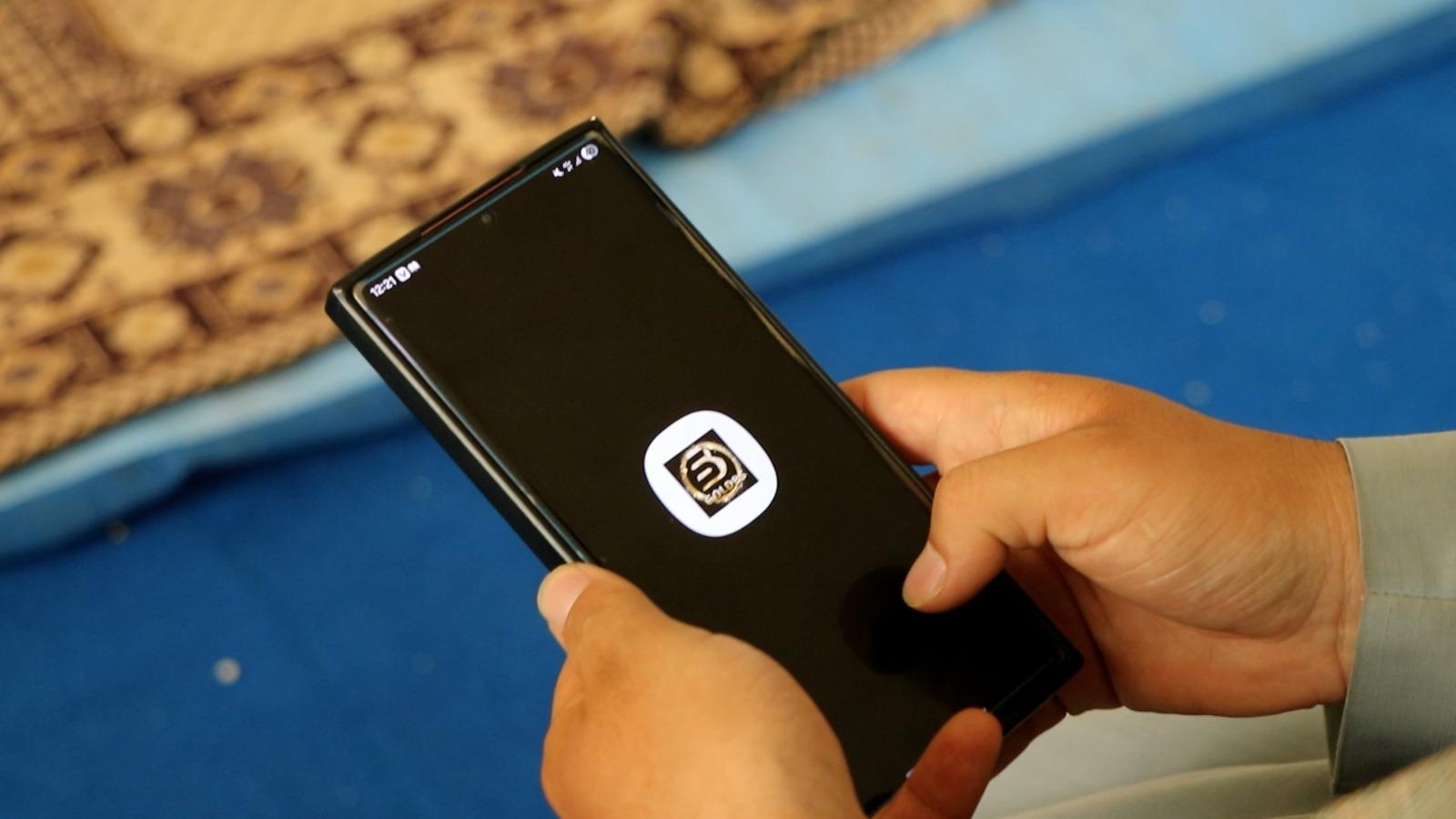
KABUL (Pajhwok): Sakina, a woman who mortgaged her home and sold her gold jewelry to invest in the “Gold BS” platform, says she and many other Afghans have lost their savings after the platform abruptly ceased operations.
Afghanistan’s central bank has also stressed that the platform never held an official license to operate.
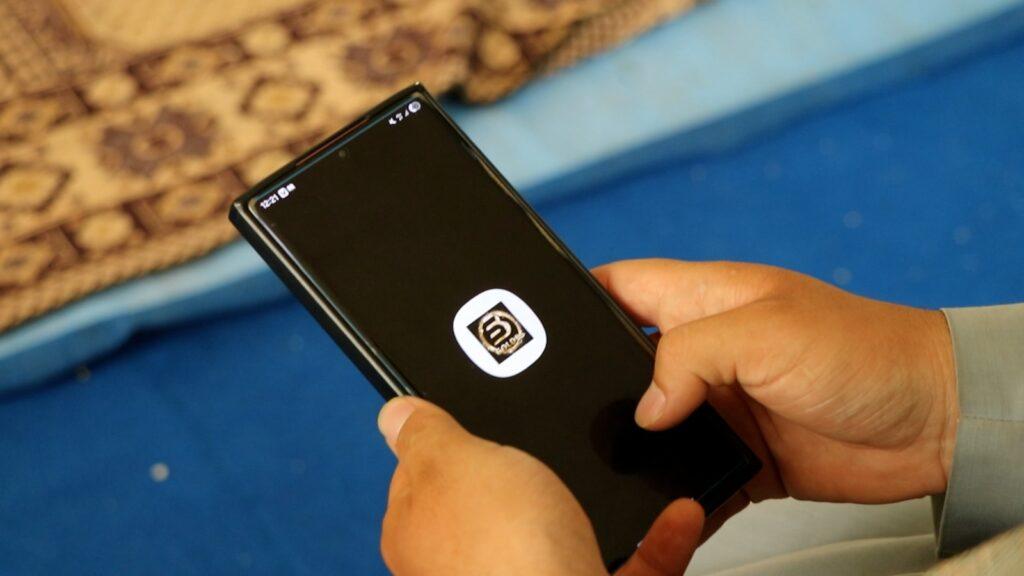
Gold BS was an online platform that claimed to generate daily or regular profits for its members through gold trading and digital asset investments. Users were required to invest money to join and, in many cases, were encouraged to recruit new members through a referral-based system.
A Pajhwok Afghan News reporter spoke with ten Kabul residents who had invested in the platform. Some had joined recently, while others had been investing for more than two years.
Sakina, a resident of Kabul’s Dasht-i-Barchi area, said she initially invested $1,000 after being encouraged by friends. After receiving some returns, she became convinced of the platform’s legitimacy and decided to increase her investment.

“To invest in this platform, I mortgaged my house for 150,000 afghanis and opened several additional accounts. I even sold $3,000 worth of gold to put more money into the system, but now all of my investment is gone,” she said.
She added: “Because I had already received about $1,000 from the platform, I believed it was genuine. That is why I increased my investment.”
Before she could earn any substantial returns from her expanded investment, the platform stopped operating and she lost all her assets.
Now suffering from serious physical and psychological problems, Sakina said: “When I realized I had lost $6,000, I fainted. I remained bedridden for an entire day, and while I was unconscious, doctors told my family that I had suffered a stroke.”
With trembling hands and slurred speech, she added: “May Gold BS be destroyed. It ruined the lives of hundreds of people like me.”
Najibullah, another resident of Dasht-i-Barchi, said he also invested in the platform in the hope of improving his financial situation.

“I first heard about the program in March 2026. Close friends told me about a scheme that could be activated with $500 and that users would receive daily signals. They said that even without recruiting others, a person could recover their investment within one-and-a-half to two months,” he said.
According to Najibullah, he initially rejected the proposal because he had previous negative experiences with similar schemes. However, after repeated encouragement from family members and friends, he eventually decided to invest.
He said he invested nearly 100,000 afghanis in the platform but lost all of it after the scheme collapsed.
Najibullah said many of his relatives, including cousins and other extended family members, had also invested. After receiving small amounts as profits, they ultimately lost their investments as well.
“Even my mother said she was willing to sell her gold to invest in the program,” he said.
Expressing regret over his decision, Najibullah added: “What hurts most is losing money that was earned through hard work. Perhaps money can be earned again, but the real pain is understanding why this happened. We make jewelry and hijab accessories at home, and this money represented our family’s hard-earned income.”
He urged people not to trust such schemes in order to avoid suffering the same fate.
Meanwhile, Hasibullah Noori, spokesman for Da Afghanistan Bank, told Pajhwok that Gold BS had never obtained an official license from the central bank and was not recognized as an authorized financial institution.

According to Noori, promises of unusually high and guaranteed profits, the absence of official licensing, dependence on recruiting new members, a lack of a clear address and identifiable operators, difficulties in withdrawing investments, and the use of anonymous links to install applications are among the key warning signs of suspicious and potentially fraudulent platforms.
He said Da Afghanistan Bank has consistently emphasized that it does not issue licenses to such platforms. Through public awareness campaigns, the bank seeks to inform citizens about the risks of investing in unauthorized companies and platforms, cooperates with security institutions when complaints are received, and oversees licensed banks and financial institutions.
Noori noted that such cases are not unique to Afghanistan and have occurred in many countries around the world. Examples include pyramid schemes, fake investment applications, unlicensed cryptocurrency companies, and systems promising guaranteed daily returns.
He warned that if money has been transferred to illegal accounts or networks, recovering it can be extremely difficult and, in some cases, impossible because such companies operate outside legal oversight and often move or conceal their assets abroad.
The central bank spokesman urged citizens not to be deceived by promises of “easy and quick income” and not to trust any platform offering guaranteed or unusually high returns.
He stressed that people should verify the legality and licensing status of any platform before investing and consult Da Afghanistan Bank or other relevant authorities if they have doubts.
sa