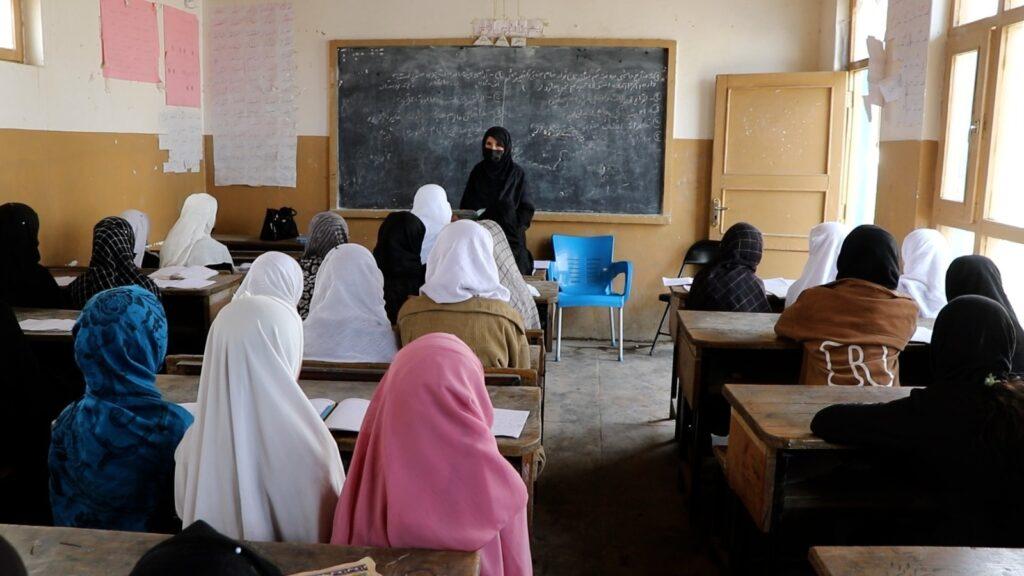

KABUL (Pajhwok): As the Islamic Emirate of Afghanistan (IEA) begins its sixth year in power, a number of girls deprived of schooling and university education are calling on the authorities to end their years-long wait and allow them to return to schools and universities within the framework of Sharia, while stressing their commitment to observing Islamic hijab.
Following the IEA’s return to power on August 15, 2021, education for girls above the sixth grade was suspended. In December of the same year, universities were also ordered to suspend the education of female students and women until further notice.
At the time, IEA officials said they were working on a plan regarding the issue and that girls would be allowed to resume their education in schools and universities once the plan was completed. However, the plan has yet to be implemented.
Yalda Ahmadzai, a resident of Kabul’s 16th district who was studying in eighth grade at Qala-i-Zaman Khan Girls’ High School in 2021, told Pajhwok Afghan News that had education for girls above the sixth grade not been suspended, she would have graduated by now.
She said: “For several years, whenever the new academic year approaches, I tell myself that perhaps this year we will be allowed to return to school. I have still kept my books and notebooks and dream of sitting in my classroom and studying again one day. I respectfully ask the Islamic Emirate that now that five years have passed and its sixth year in power has begun, it open the doors of schools and universities to girls above the sixth grade.”
She said she considered observing Islamic hijab her responsibility and was ready to continue her education within the framework of the rules set for educational institutions.
Yalda, who dreams of becoming a doctor, added that the need for female doctors further highlights the importance of girls continuing their education.
Hajera, another Kabul resident, said that after 11 years of schooling at Shams-ul-Bana School in Kabul’s Khushal Khan area, she was prevented from continuing her education but remained hopeful and called on the Islamic Emirate to provide educational opportunities for girls.
She also said girls were ready to study while observing Islamic hijab and in an environment compliant with Islamic principles.
She said: “Years of interruption are not a short period for a girl. Many of us had hoped to enter university after graduating from school and become doctors, teachers, engineers, religious scholars or specialists in other fields in the future. Just as society needs educated men, it also needs educated women. I hope the Islamic Emirate authorities, at the beginning of their sixth year in power, will end the years-long wait of girls and allow us to return to school.”
Nabila, who was a second-year student at the Faculty of Stomatology at Ghalib University in Kabul in 2021, said the suspension of education had left her studies unfinished. She also called on the Islamic Emirate to provide female students with an opportunity to return to universities and complete their interrupted education.
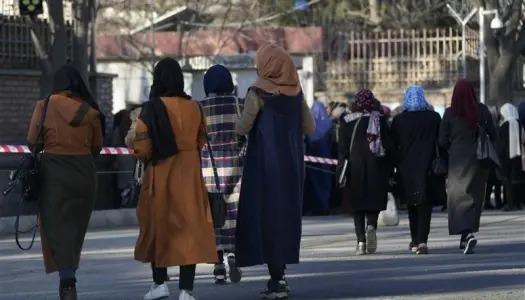
She said: “We respect Islamic values and observe Islamic hijab and consider it our responsibility. If specific conditions regarding hijab and the learning environment are set for the presence of girls at universities, a way can be found to both observe these principles and ensure that girls are not deprived of education. Completely closing universities is not a solution because the country also needs educated and skilled women.”
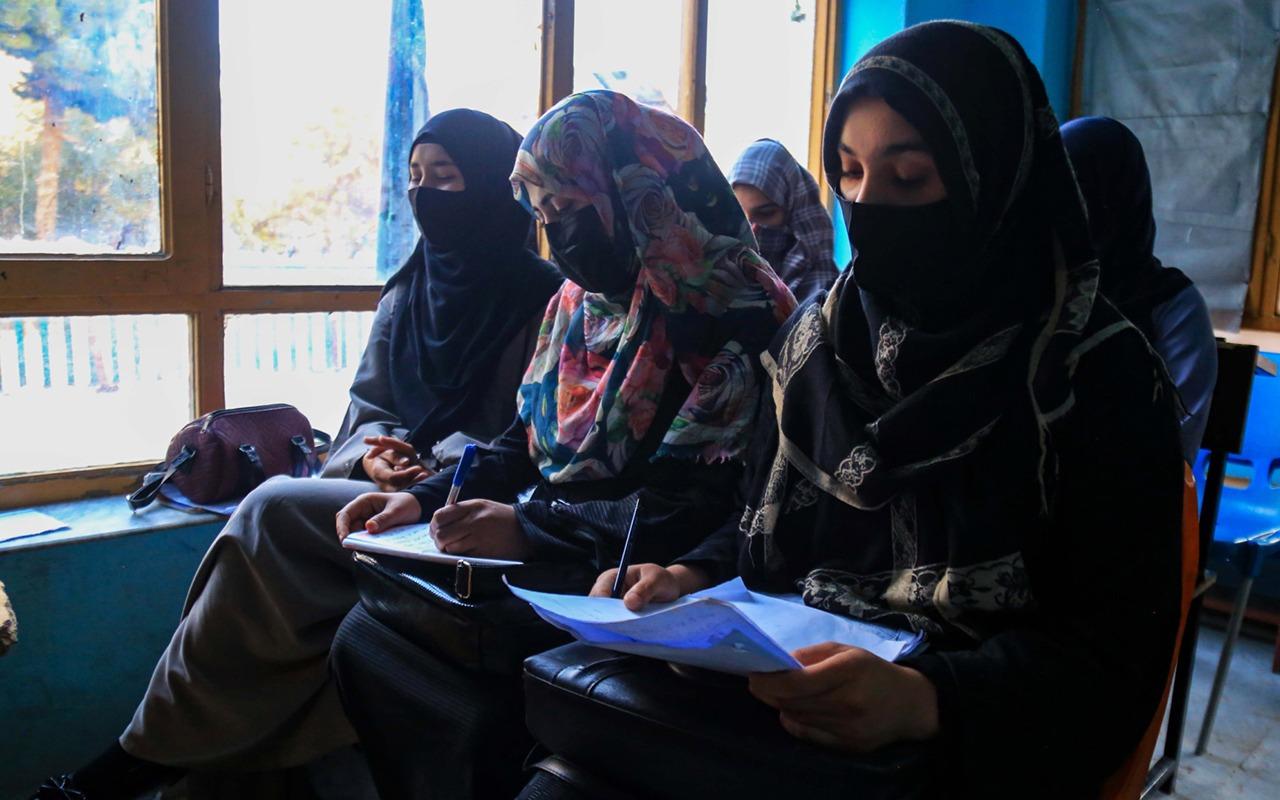
Nabila added: “We hope the sixth year of the Islamic Emirate’s rule will bring good news for girls and that, after years of waiting, the doors of schools and universities will once again open to them.”
Mahera Rahimi, who was a student in the Department of Law and Political Science at Azhar Institute of Higher Education in Kabul, said: “Thank God, we are Muslims and respect our religious values and principles. Hijab is not something foreign or imposed on us; it is part of our beliefs and religious values, and we have accepted it. Personally, I studied in hijab throughout my education, and hijab was never an obstacle to my studies. My female classmates and I entered school wearing hijab. We also went to university in hijab. I would also say that even during the previous government, if one girl among hundreds was not wearing hijab, the school administration would not allow her to enter. Today, we are also ready to continue our education while fully observing hijab and Islamic principles.”
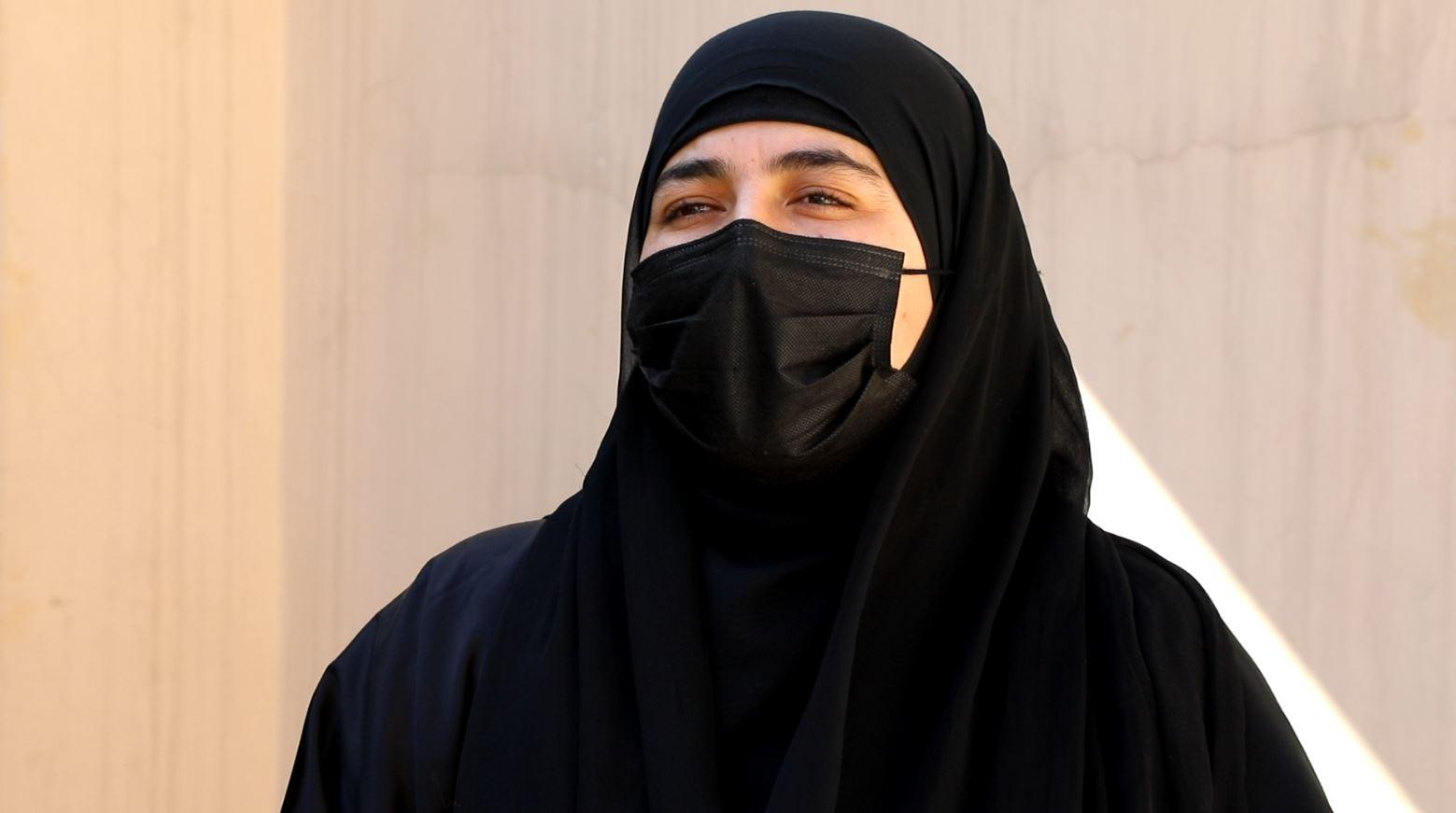
She added that even before the IEA returned to power, boys’ and girls’ schools were separated across the country, and at the beginning of the IEA’s rule, male and female classes at universities were also separated, a move that was welcomed by the majority of people, including their families.
Mahera said: “The government should try to appoint female teachers for us. We want an environment where hijab, security, Islamic and cultural values are observed, while also providing us with educational opportunities. Our request and appeal to the leader of the Islamic Emirate is that, on the occasion of August 15, he announce that girls are allowed to attend schools and universities.”
Some experts stress the importance of girls’ education
Tafsir Siyahpush, a professor of law and political science, said: “The holy religion of Islam says that seeking knowledge is obligatory for both women and men. Likewise, the first verse revealed to the Holy Prophet of Islam was ‘Iqra’ — read. The Holy Prophet also said, ‘Seek knowledge from the cradle to the grave.’ Therefore, we know that education, learning and knowledge hold great importance in Islam, but we do not know why the doors of schools and universities remain closed today.”
He expressed hope that the Islamic Emirate would reopen the closed schools and universities in accordance with Islamic Sharia.
According to him, some families have been forced to leave the country so that their daughters do not remain deprived of education.
Meanwhile, Jamaluddin Soleimani, an education expert, said depriving girls of education could lead to increased poverty, slower economic growth and the loss of a large portion of Afghanistan’s human capacity.
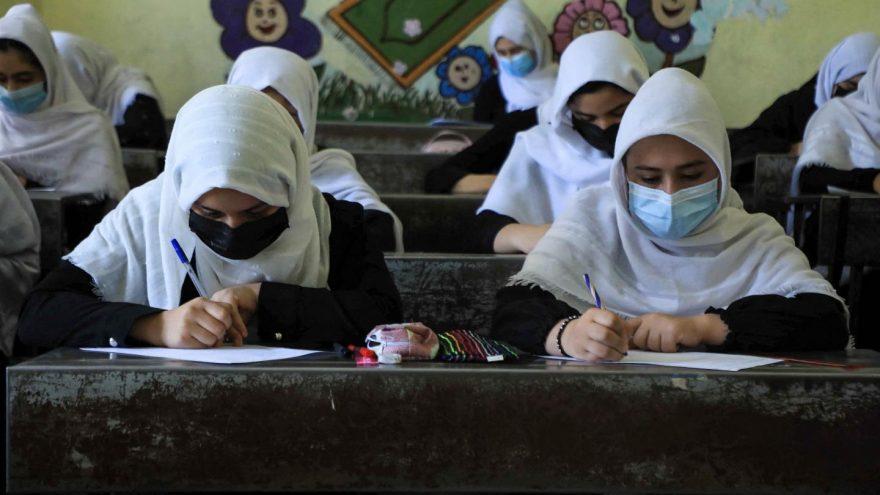
He added that the issue was particularly important in Afghanistan because women in many cases require female health and social service workers.
He said that if the current situation continues, the shortage of skilled female professionals is likely to increase significantly.
According to him, training a doctor, nurse, midwife or professional teacher requires years of education, and when girls are deprived of schooling, the pipeline for training skilled female professionals is undermined from the outset.
He called on the Islamic Emirate to provide girls with access to education at all levels in a safe environment and in accordance with Sharia in order to safeguard the country’s future.
Zabihullah Mujahid, spokesman for the Islamic Emirate, said in an exclusive interview with Pajhwok last week regarding the issue: “It is better to refer to the relevant authorities on this matter. However, if any progress is made in this regard, God willing, we will share it with you.”
sa