
KABUL (Pajhwok): The head of the Afghanistan Women’s Chamber of Commerce and Industry says the number of women holding official business licences has more than quadrupled over the past five years.
Despite the expansion of women’s economic activities, she said, limited access to domestic and international markets, financial resources and certain economic sectors remains among their major challenges.
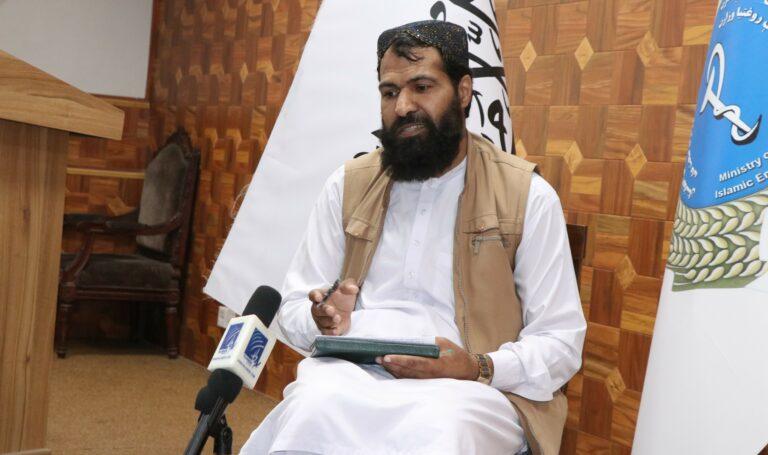
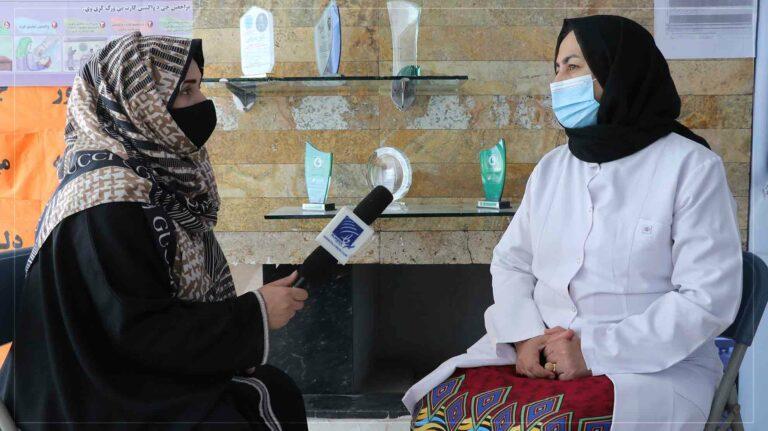
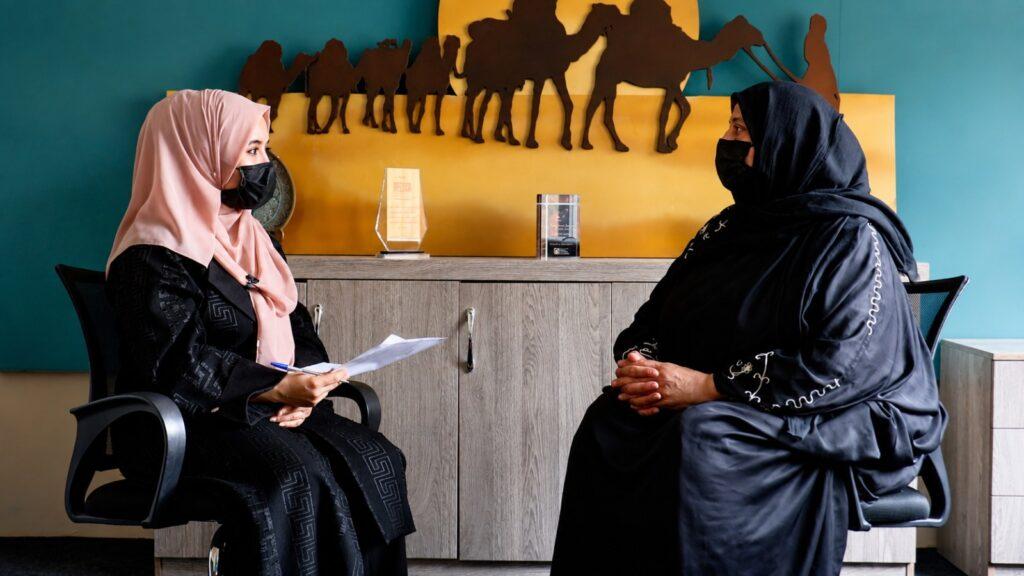
Pajhwok Afghan News interviewed Fariba Noori, head of the Afghanistan Women’s Chamber of Commerce and Industry, about women’s achievements, progress and challenges in trade and investment.
In the interview, Noori discussed the status of women’s economic activities over the past five years, the growing number of women entering businesses, their participation in various economic sectors, the chamber’s achievements and programmes, access to domestic and international markets, and the challenges facing women entrepreneurs.
Around 10,000 women hold official business licences
Noori said women’s participation in trade and investment had increased significantly over the past five years, with around 10,000 women holding official business licences and operating under the Afghanistan Women’s Chamber of Commerce and Industry.
She said these women held various licences issued by the Ministry of Industry and Commerce, Ministry of Justice, Ministry of Agriculture, trade unions and municipalities.
According to Noori, in addition to officially licensed women, around 100,000 other women in villages and remote areas are engaged in traditional economic activities, mainly in dairy production, horticulture and similar sectors.
She said many of these women do not require official licences because their activities are traditional and local, and they have been earning incomes for themselves and their families through such work for years.
According to a Pajhwok report published in 2024, 2,421 women with officially registered businesses were members of the Afghanistan Women’s Chamber of Commerce and Industry in 2020.
Mining and construction among sectors with limited access for women
The chamber chief said women still did not have equal access to all economic sectors.
She said mining and construction were among the major sectors where women had limited access, while women had expanded their activities in areas such as agriculture and handicrafts.
Noori said the Afghanistan Women’s Chamber of Commerce and Industry was working to move women’s economic activities beyond traditional sectors and create opportunities for them to enter new areas of the economy.
Women’s participation in online markets increases
Noori said around 40 percent of women active in the sector worked in person, while others, particularly young women familiar with technology, were engaged through digital marketing and online marketplaces.
She added that many women worked from home and had also involved family members in their economic activities.
According to her, the trend had increased over the past year and a half, with some women creating employment opportunities for other members of their families through home-based businesses.
Exhibitions help women access markets
The chamber chief said it had launched various programmes to support women over the past five years.
She said Afghan women had participated in trade exhibitions in Turkmenistan and Kyrgyzstan, while the Bibi Khadija al-Kubra exhibition had also been held in Afghanistan.
According to Noori, the three-day exhibition attracted around 60,000 visitors and was among the region’s major exhibitions for women’s products in terms of public interest.
She stressed that women’s economic activities should not be limited to areas such as cooking and handicrafts and that, in view of global economic and technological changes, women should also enter new fields of work.
Efforts to establish childcare centres at workplaces
Noori said a programme had been launched with the cooperation and support of the Aga Khan Foundation to train 60 women in childcare.
She said the programme aimed to establish childcare centres at workplaces, as some working women, particularly those employed in industrial parks, faced difficulties due to the lack of suitable facilities for caring for their children.
According to her, one of the programmes is expected to provide childcare for around 15 children, allowing their mothers to continue their economic activities with greater peace of mind.
Special markets established for women
Noori said special markets had been established to improve women’s access to markets, including one in Kabul’s Khushal Khan area, one with the support of the United Nations High Commissioner for Refugees (UNHCR), and another in Gardez.
She said women could rent shops in these markets and sell their products, adding that the programme was also being expanded to other provinces.
According to Noori, around 20 women had each received $2,000 in cash assistance to purchase basic equipment for their shops.
Solar power and loans provided to women entrepreneurs
Noori said some women needed machinery and electrical equipment for their businesses, but a lack of electricity prevented them from continuing their activities.
She said solar power systems had been provided to some of these women through the United Nations Development Programme (UNDP), enabling them to continue their economic activities.
She added that the Afghanistan Women’s Chamber of Commerce and Industry had provided training programmes for hundreds of women and facilitated access to loans for women who lacked financial resources.
Support for returnee women
Noori said another programme of the chamber focused on supporting women who had returned from abroad.
She said efforts were being made to provide returnee women with training, business opportunities and market access so they could resume their economic activities.
Afghan women entrepreneurs still lack sufficient access to global markets
The head of the Afghanistan Women’s Chamber of Commerce and Industry said Afghan women had still been unable to sufficiently market their products globally or establish broad domestic and international markets for their goods.
She said most women had so far operated at a level that enabled them to cover their own and their families’ living expenses.
Noori stressed that the next priorities should be to expand women’s economic activities, improve product quality, develop new markets and create greater opportunities for women to access domestic and international markets.
hz/sa