
KABUL (Pajhwok): The Ministry of Interior (MoI) says that with the implementation of a long-term counter-narcotics strategy, the Islamic Emirate of Afghanistan (IEA) has reduced the cultivation and production of narcotics in the country to nearly zero and is now focusing on preventing the trafficking of synthetic and modern drugs from neighbouring countries.
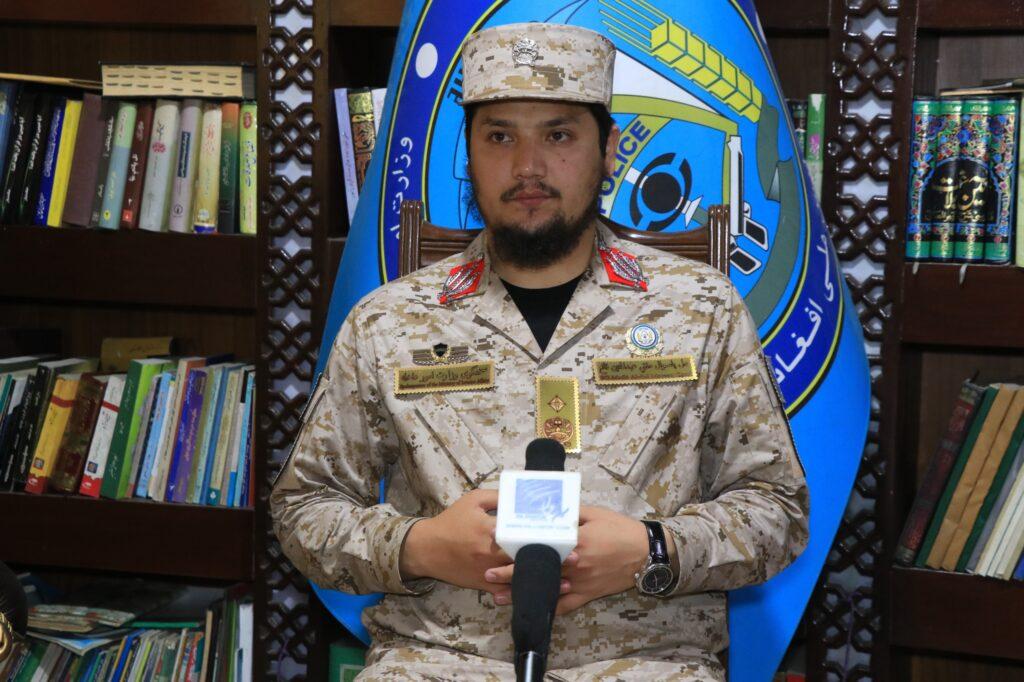
Pajhwok Afghan News conducted an exclusive interview with Mufti Abdul Matin Qane, spokesman of the Ministry of Interior, on the achievements and challenges of the IEA in the fight against narcotics.
Cultivation and production reduced to near zero
Mufti Abdul Matin Qane said: “Our country was almost considered a centre for the production and processing of drugs for the entire world because there was widespread corruption… Not only internal actors but also foreigners were directly involved here… Foreigners were taking various types of narcotics out of Afghanistan without being checked at airports or border crossings.”
He added that, under the decree of the IEA’s leader, the fight against narcotics has been a priority over the past four years and tangible achievements have been made.
According to him, anti-narcotics operations continue across Afghanistan, and every area where operations are conducted is recorded and monitored to prevent the re-cultivation of opium.
He said that although opium cultivation still continues at a very limited level in some remote provinces and hard-to-reach areas, counter-narcotics forces have identified, contained and destroyed these cases.
He added that, based on operational data, cultivation and production of narcotics in Afghanistan has now been reduced to almost zero.
This comes as, two days earlier, the United Nations Office on Drugs and Crime (UNODC) announced that opium cultivation and production in Afghanistan has decreased by around 95 percent in recent years.
10,000 tons of drugs seized and 2,500 factories destroyed
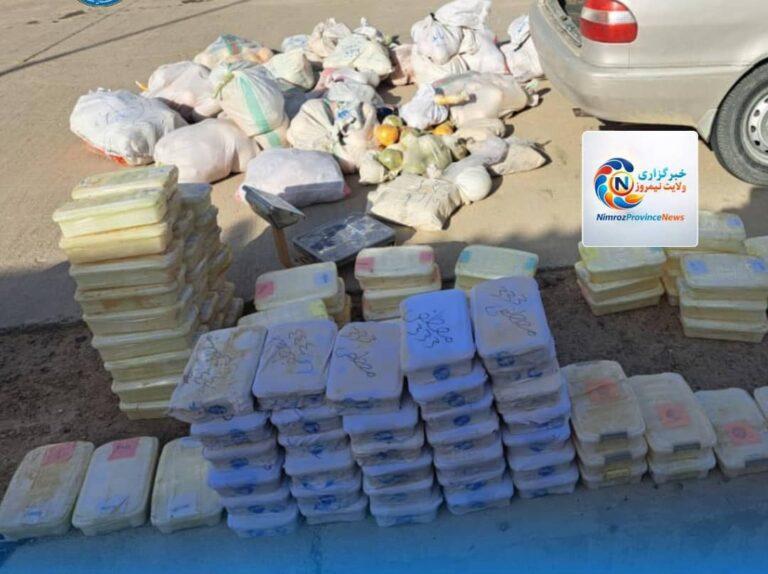
Qane said that in the past four years, around 10,000 metric tons of various types of narcotics have been seized and destroyed, which he described as a major achievement.
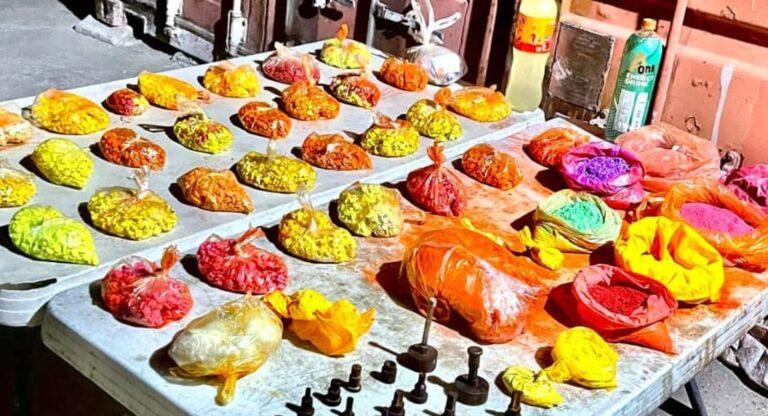
He added that around 2,500 drug production and processing facilities, including synthetic drug production centres and some modern drug facilities, have been destroyed and completely burned.
74,000 addicts treated
The spokesperson also said that significant progress has been made in the treatment of drug addicts.
“About 74,000 addicts who were directly under our control have been treated, recovered, and returned to society, where they are now serving their communities. Many others are still under our health coverage, and a large number are receiving treatment in private rehabilitation centres. This is a good achievement for the Islamic Emirate,” he said.
He added that a special budget has been allocated for counter-narcotics and rehabilitation programmes, which has helped the treatment process progress successfully.
He said: “When addicts are under our management, they are trained not only in education and ethics but also in religious and modern sciences that are useful for them. After completing treatment, they re-enter society as righteous individuals or productive members.”
Trafficking of synthetic drugs remains key challenge
Qane said that despite major achievements, trafficking of modern narcotics from neighbouring countries remains a major challenge.
According to him, some neighbouring countries, including Pakistan’s Balochistan province, have become centres for the production and processing of narcotics and modern synthetic drugs.
He said: “Neighbouring countries are producing and processing various modern drugs and then smuggling them into Afghanistan. We have many reports that neighbouring countries—and even some European countries—are producing tablet K and other modern drugs, which are then smuggled into Afghanistan. Our official reports confirm involvement of all neighbouring countries, especially Pakistan. We are heavily affected by this.”
He added that he recently discussed the issue with the UN representative on drugs and crime, urging international accountability for such activities.
He also said: “What is seen today in cities and markets is entirely smuggled goods that unfortunately cause addiction among young people and endanger their lives.”
He added that a comprehensive plan has been prepared to combat trafficking, and strict measures will be taken in cooperation with security institutions.
He said: “We have a joint plan with relevant ministries, especially security agencies, the Ministry of Defence, and intelligence. We are trying to stop trafficking because inside Afghanistan the issue is almost resolved; we will no longer allow it. However, the main concern is that drugs are coming from outside, and efforts are underway to stop it, God willing.”
He added that awareness programmes are being conducted through mosques, religious schools, universities, schools, and other institutions to educate young people about the dangers of drugs.
Need for international cooperation
The Interior Ministry spokesperson said the international community has provided very limited cooperation in counter-narcotics efforts, and Afghanistan has largely carried out the fight alone.
He said: “In meetings with international organisations, the European Union, UNODC, and regional countries with experience, we have requested professional cooperation and alternative livelihood support. However, we have not seen any significant assistance. Turkey provided some limited support earlier, but beyond that, we have not seen meaningful cooperation.”
sa