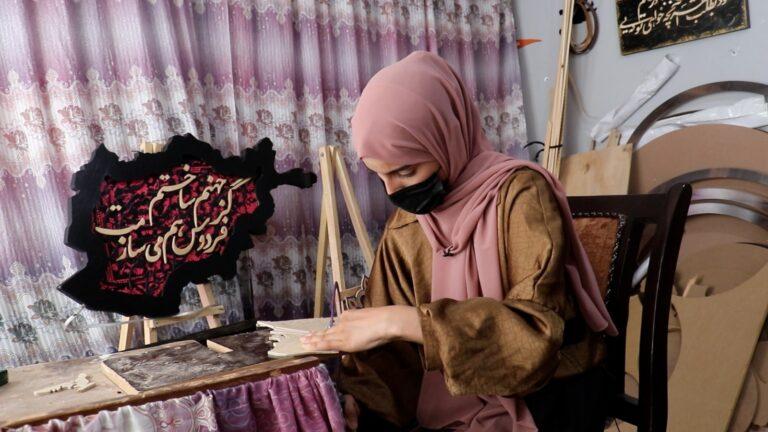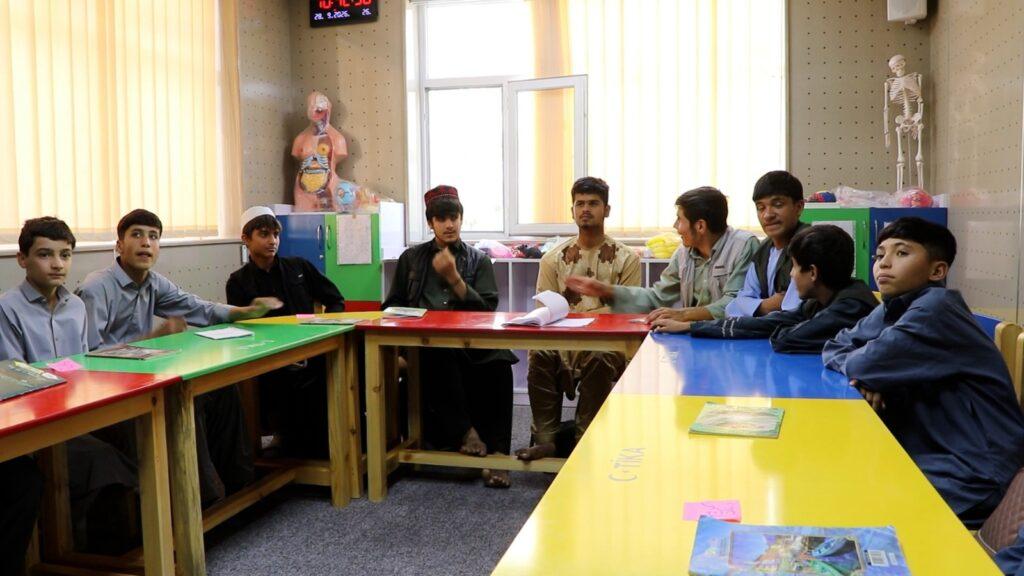

KABUL (Pajhwok): Teachers at the Vocational Institute for the Deaf in Kabul have called for greater support for deaf people, sign-language training for families, and improved educational and employment opportunities, saying shortages of qualified teachers and learning materials, along with communication barriers, remain among their main challenges.
World Deaf Day is observed annually on 30 September to raise awareness of the rights, needs, education, social participation and equal opportunities of deaf and hard-of-hearing people.
The day also highlights the importance of ensuring access to education, social services, employment opportunities and effective communication, including through sign language.
‘Deaf people should be treated with respect’
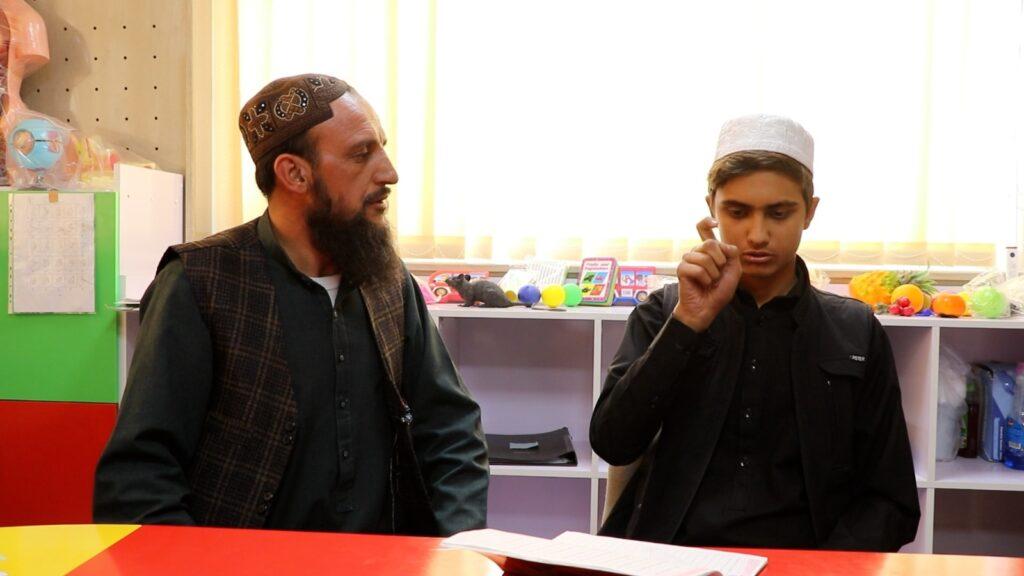
Najibullah Rezaei, a teacher at the Vocational Institute for the Deaf in Kabul, once studied at the same institute and now teaches painting to deaf students.
He said he had been teaching at the institute for eight years and had graduated in deaf psychology in Kabul.
He added that, because of his strong interest in art, he chose to work as a teacher in the painting section.
According to Rezaei, students who enrol at the institute show a strong interest in art, and teachers refer them to the art section for further training.
He said painting, network weaving and visual arts are taught in the section.
Rezaei called on government institutions to do more to promote education for deaf people and the use of sign language.
He said deaf people face communication difficulties in various places, including hospitals, schools and shops, because many people do not know sign language.
As a result, deaf people are often forced to bring an interpreter with them or explain their needs and problems to others in writing, he said.
Rezaei also called on people to treat deaf people with respect, refrain from mocking them, listen to their needs and learn sign language, particularly parents of deaf children.
‘I want to continue my education’
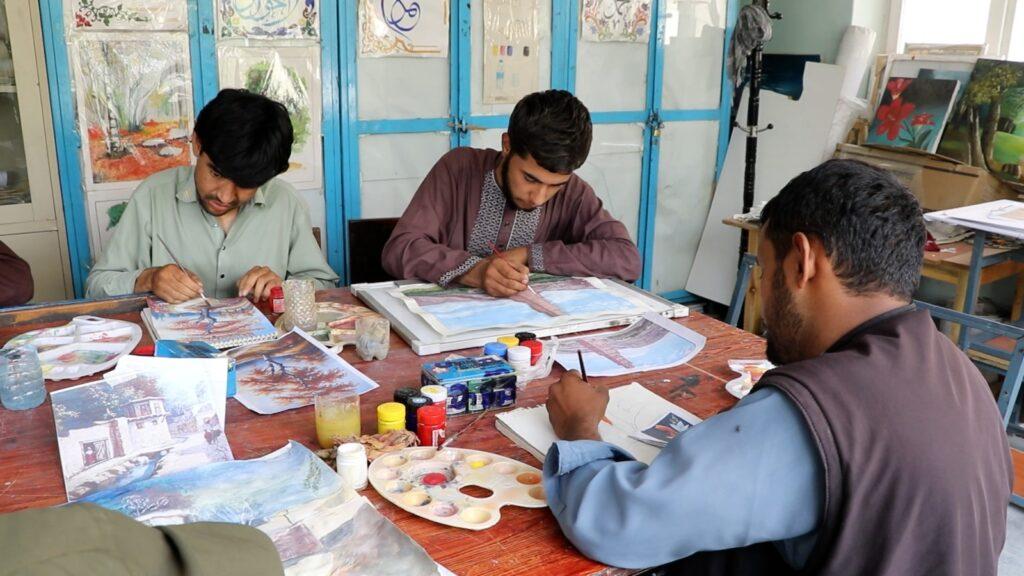
Rahmatullah, a Grade 12 student at the Vocational Institute for the Deaf in Kabul, is interested in art, particularly painting.
He said he had a strong interest in painting and had been working in the field for more than three years.
He added that he works on one or two paintings every day, and some of his works have been displayed at exhibitions organised by the institute.
He called for more exhibitions to be organised for deaf people so they can showcase their work.
Rahmatullah said that after graduating from the institute, he intends to attend university and continue studying in his preferred field of art.
Teacher calls on private sector to support deaf people
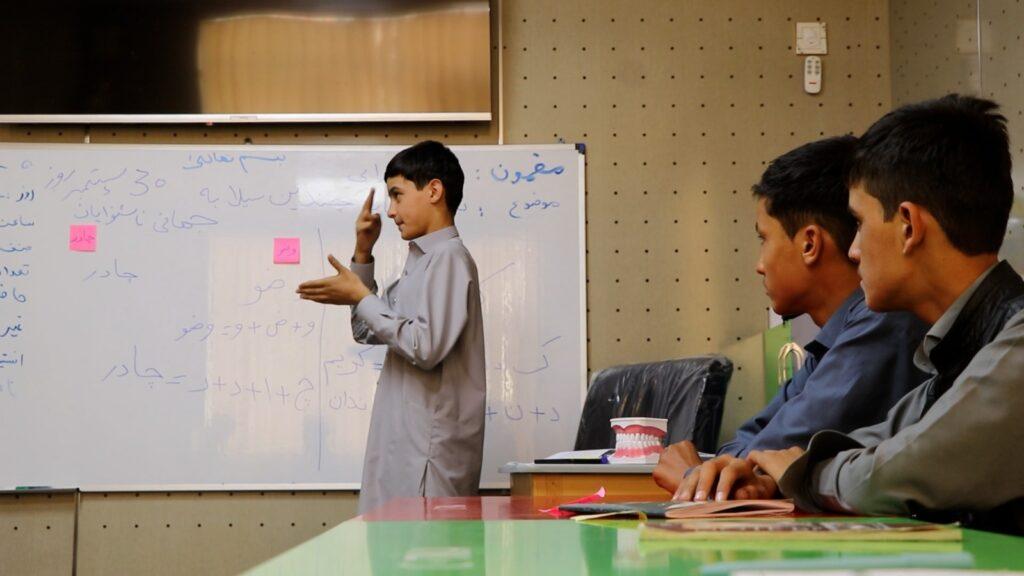
Mohammad Ibrahim Kaliwal, a teacher at the Vocational Institute for the Deaf in Kabul who has worked in deaf education for 13 years, said facilities have been provided for deaf people at the institute and they are receiving education, but the community still needs greater support.
According to Kaliwal, special classes are available for deaf students who are able to speak, while transport is also provided.
He said one of the students’ main concerns had been what they would do after graduation, including whether they would be able to attend university or find employment. However, they can now seek admission to higher education institutions through the university entrance examination, he added.
According to Kaliwal, the Vocational Institute for the Deaf in Kabul provides education up to Grade 14, and some graduates from last year have also been appointed as teachers in the provinces.
However, he said the institute faces shortages of qualified teachers and learning materials, as well as a lack of safe drinking water.
He called on the private sector to support deaf students by providing stationery and other learning materials.
Sign-language classes held for families of deaf people
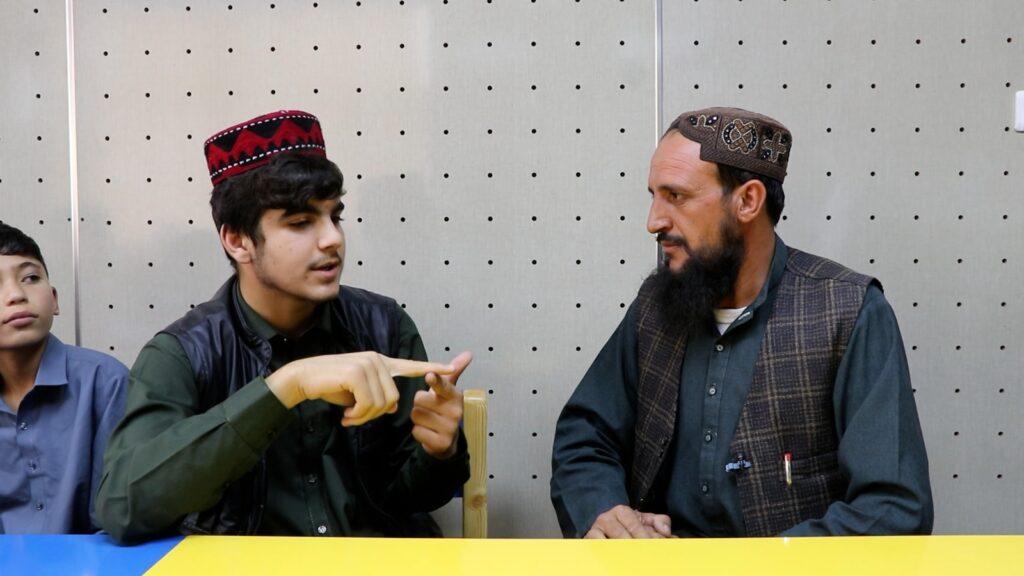
Ismatullah Baryal, head teacher of the Vocational Institute for the Deaf in Kabul, said the institute was established in Kabul in 1994 and provides education from preparatory classes up to Grade 14.
According to Baryal, practical and vocational classes are also offered alongside academic education.
He said students enter vocational sections after completing Grade 10, while students in Grades 13 and 14 receive training in two fields: graphic design and painting.
He added that student enrolment has been good this year, with about 41 students admitted to higher grades. In addition, 40 students have been transferred from other schools to the institute.
According to Baryal, girls are also included in the programme and receive education from Grade 1 to Grade 6 at separate times.
He said 36 teachers are currently teaching at the institute, including 11 men and 25 women.
Baryal added that some students have found employment after graduation in various fields, including printing presses and painting galleries.
According to him, a university entrance examination was held on 23 September at the headquarters of the Technical and Vocational Education Authority, with 17 students from the institute taking part.
He said the examination was also held in three other provinces, including Herat, Jalalabad and Balkh, where blind and deaf students participated, and some of them are expected to gain admission to universities.
Baryal said learning sign language is essential for many families of deaf people, as family members may otherwise struggle to communicate with their deaf children.
According to him, the Technical and Vocational Education Authority has launched a programme to address this problem, under which families of deaf people are taught sign language one day a week.
kk/sa