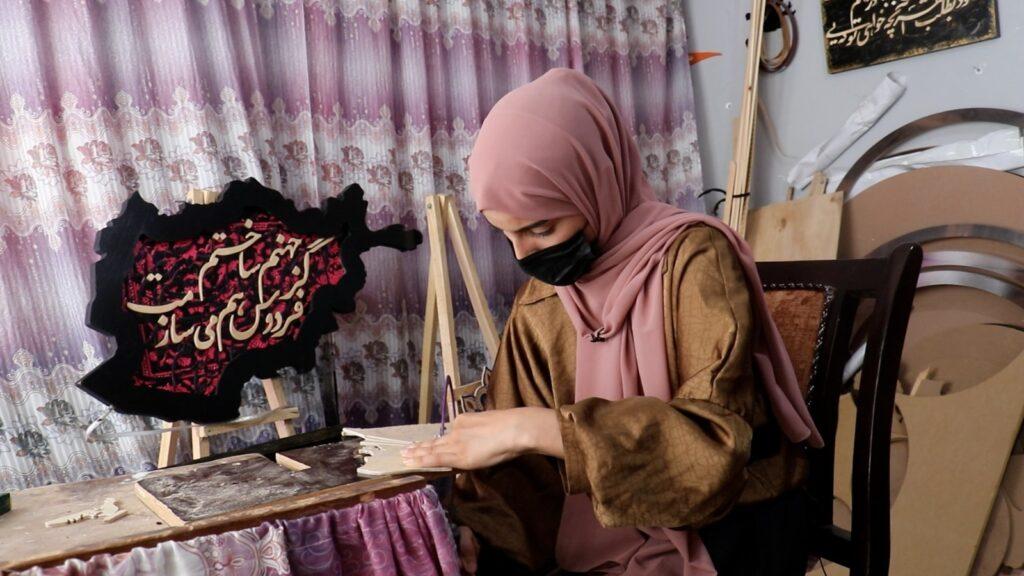

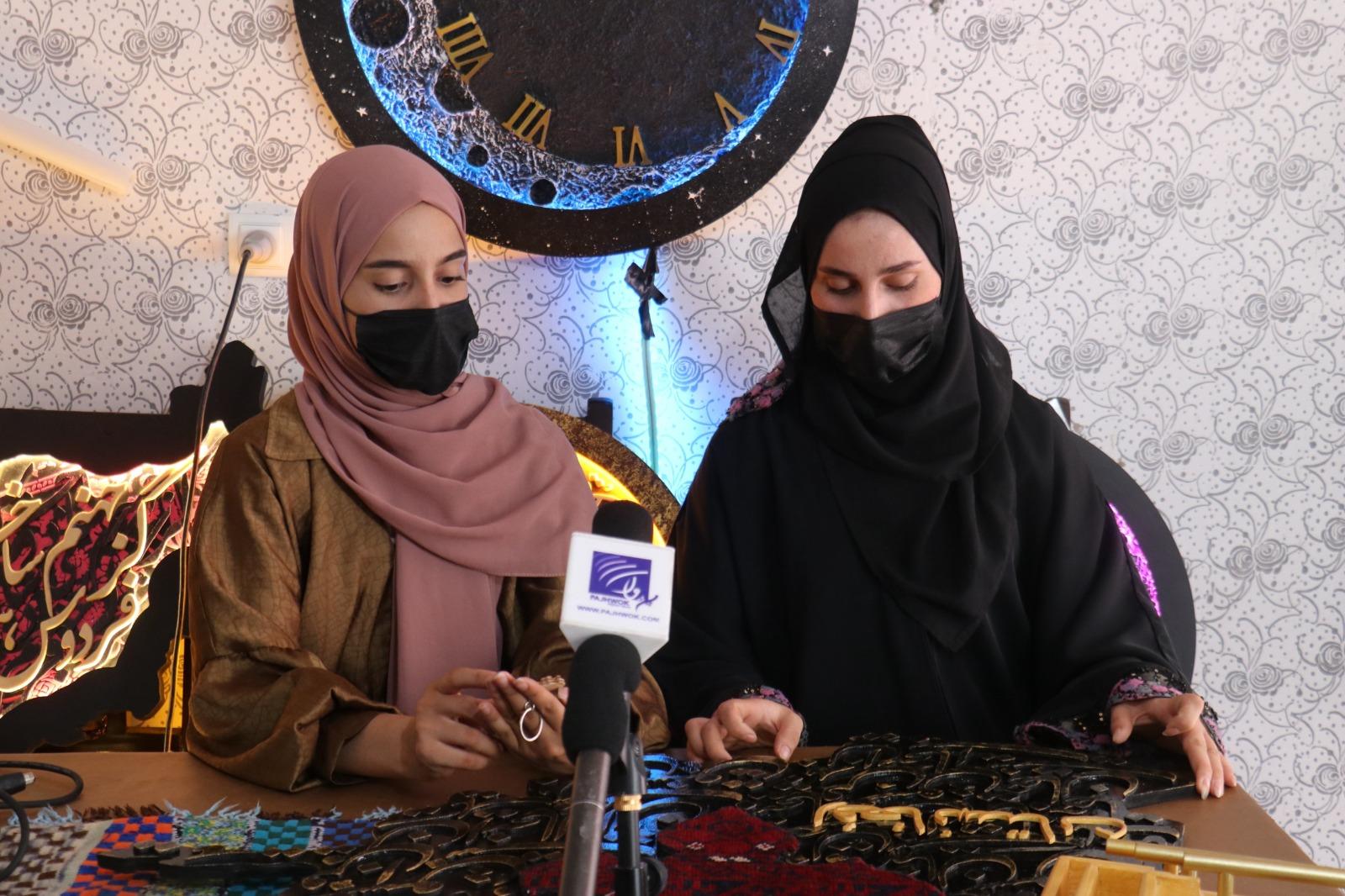
KABUL (Pajhwok): After Aria Sediqi was unable to continue her higher education in the field she was interested in; she learned the art of string art and began by making a few paintings for herself. The work gradually developed into a joint activity with her sister, and they now make custom paintings while also participating in exhibitions.
Twenty-two-year-old Aria Sediqi says that after finishing school and being unable to continue her education, she became interested in handicrafts and decided to learn string art.
She says she was interested in studying journalism but could not pursue higher education in the field.
Sediqi adds that after becoming familiar with string art, she learned the craft from one of her friends and spent about six months mastering it.
“When I was learning from my teacher, I only wanted to make a few paintings for myself, but those few paintings led me to where I am today, and I have now made many paintings for customers,” she says.
Starting with a small investment
Aria started her work with less than 6,000 afghanis. However, she says that as their work expanded and their range of products increased, the cost of purchasing the raw materials they need sometimes reaches 13,000 afghanis.
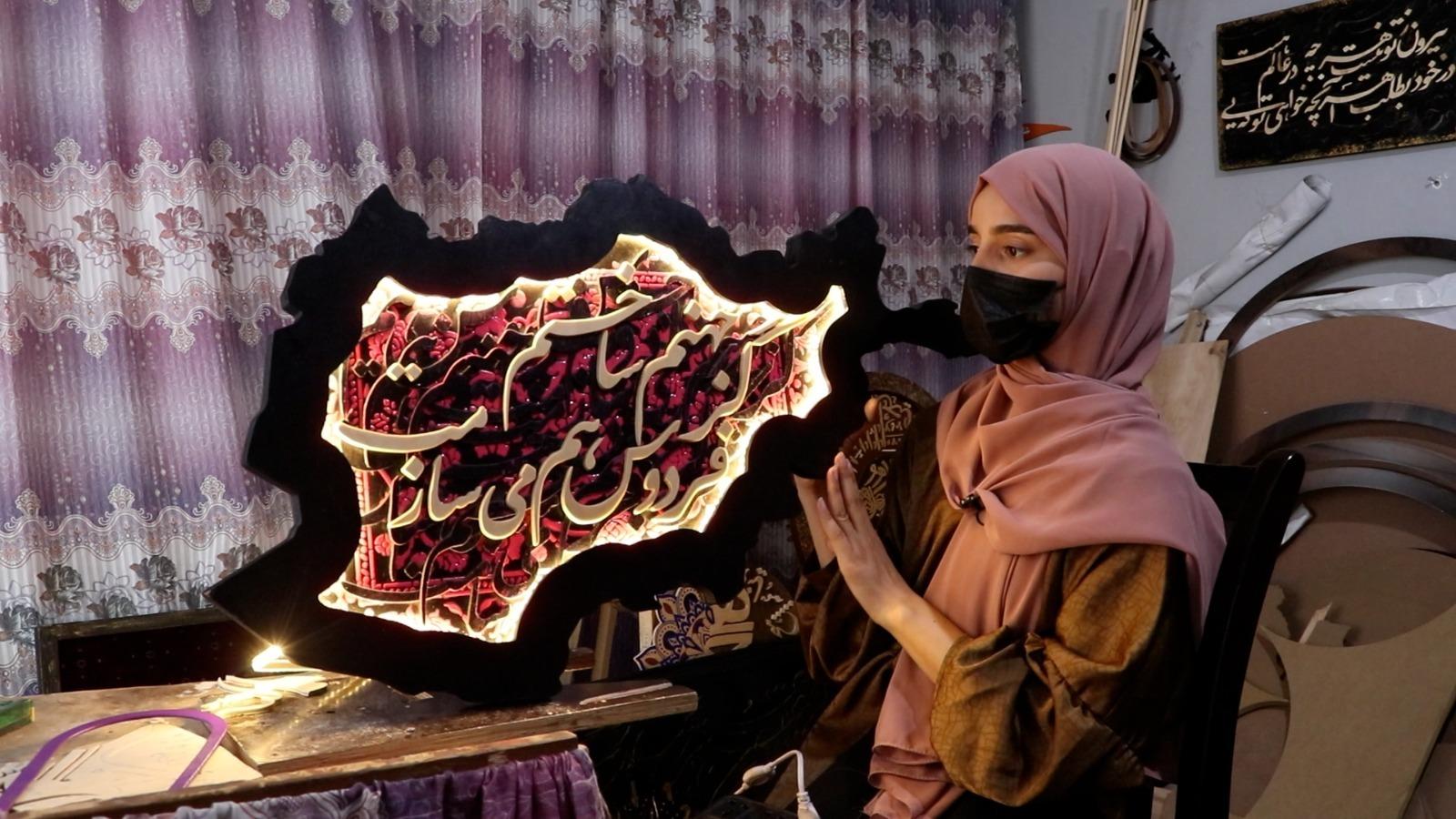
She considers the rising cost of raw materials one of the main challenges facing their work and says that despite these difficulties, they are trying to continue their activities.
While Aria was pursuing her work, her younger sister, Aida, who is studying midwifery, also became interested in the craft and joined her.
Aria says: “When I came home and my sister saw my work, she also became interested in working with me. That is how we started working together. She learned the craft from me.”
According to Aria, she has been working with her sister in string art for three years.
Aida Sediqi also says that her interest in the craft grew when she saw her sister’s enthusiasm and passion while working.
She adds that she has worked alongside Aria over the past three years and is satisfied with their joint work.
Exhibitions: An opportunity to understand the market
Aria says that when they started their work, they were at a basic level, but even with those skills, they were able to participate in a handicrafts exhibition.
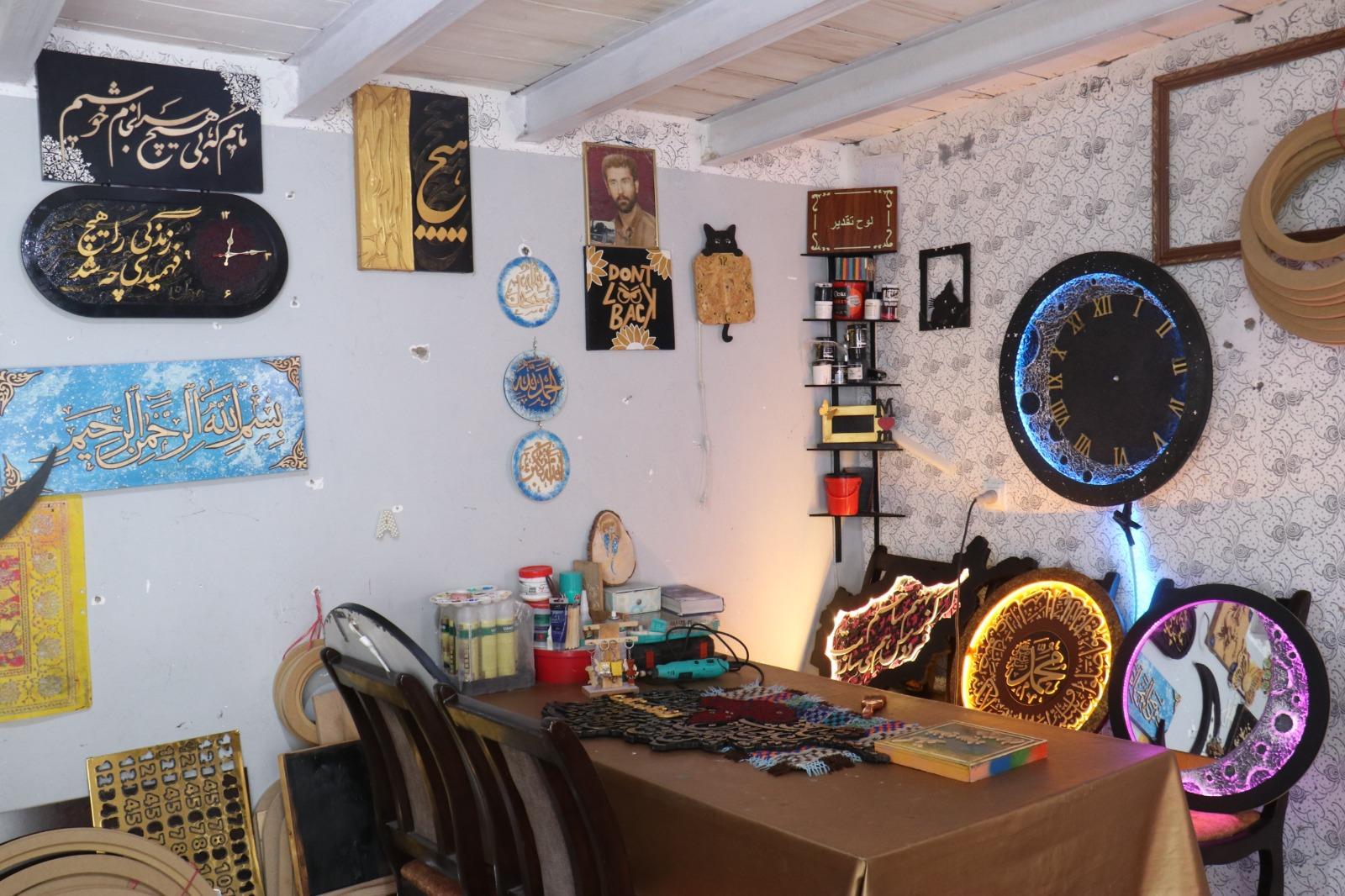
According to her, participating in exhibitions was not only an opportunity to sell their products, but also gave them a chance to understand people’s tastes and become familiar with customers’ demands.
She adds that after taking part in exhibitions, they realized which types of designs and paintings people were more interested in, and they tried to produce their products according to customers’ preferences.
Aria says that following this experience, they decided to continue their work and produce a wider range of products alongside paintings.
Customer orders through social media
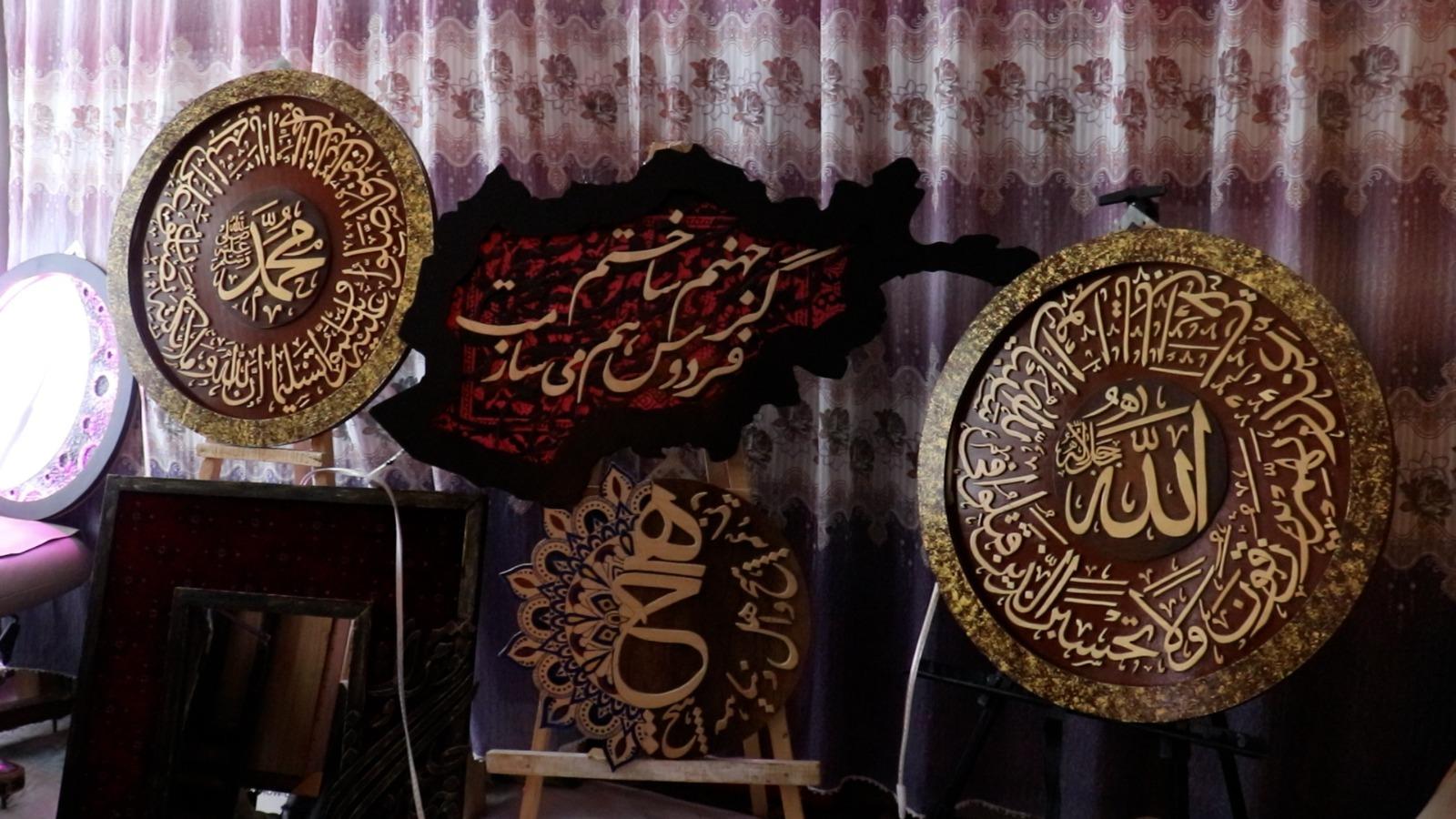
The two sisters now produce wall and tabletop paintings, keychains and some decorative items using wood and a variety of designs and patterns.
Aria says they display their products on their Instagram page and also receive orders through the platform.
She adds that the time required to complete each painting depends on the type of work and the customer’s order, and most of their pieces are made to order.
According to Aria, in some cases they do the calligraphy themselves, while in others they print the text or design requested by the customer and incorporate it into the painting.
She says they mostly try to choose texts for the paintings that are about the homeland.
Aria adds that string art is not limited to making paintings and that a variety of designs, including portraits of people, can also be created using the craft.
She says she is currently also learning how to make glasses using this art and hopes to produce more products in the future.
“I never thought that one day my work would expand this much,” Aria says.
Fewer exhibitions affect sales
Aria says exhibitions have played an important role in introducing and selling their work, but with fewer such events being held, they have faced difficulties in selling their products.
She adds that the economic situation of people has also affected the purchase of handicrafts, as although some people are interested in handicrafts, some families cannot afford to buy such products.
However, Aria says she feels that people’s interest in and attention to handicrafts, as well as their support for artists, have increased compared with the past.
Dream of expanding the workshop
Aria has now dedicated one of the rooms in her home to her work and says she plans to establish a larger workshop outside the home in the future.
She adds that she will also keep her current home-based workshop because some orders are completed at times when working outside the home is not possible.
Aria says the goal of herself and her sister is to expand their activities in the handicrafts sector, produce a wider variety of products and create broader employment opportunities.
She encourages girls to work toward learning arts and skills, saying: “At present, every girl needs to learn a job or a skill, not waste her time and start doing something.”
Aida also says that people have supported their art over the past three years and that customers’ interest in their paintings has increased.
She says: “Over these three years, thankfully, our people have supported our art, and we are really satisfied with our work, and people have become interested in our paintings.”
The story of Aria and Aida is not only the story of two young women’s success. In Kabul and other provinces across the country, many women and girls are trying to create employment opportunities for themselves by learning various arts and skills and contributing to their families’ expenses.
For many of them, an art or skill may begin as a simple pastime but can develop into a source of income, professional independence and hope for the future.
sa