KABUL (Pajhwok): While greenhouses help boost agricultural production and meet market demand, experts warn that the excessive or unbalanced use of chemical fertilisers, water shortages and improper disposal of agricultural plastics can damage soil fertility and the environment.
Environmental expert Engineer Sayed Qayum Hashimi said chemical fertilisers could supply plants with essential nutrients and improve their growth and yields when applied in quantities suited to soil and crop requirements. However, their unbalanced use could adversely affect soil quality.
He said excessive application of chemical fertilisers could cause salts to accumulate in the soil and alter its acidity or alkalinity. The quality of irrigation water also played a role, as water with a high salt content could further increase soil salinity.
Hashimi added that both insufficient and excessive fertiliser application could limit plant growth and productivity.
He said animal manure, compost and chemical fertilisers should therefore be used according to soil requirements and the type of crop being cultivated.
Agricultural expert Elias Sediqi said the proper and balanced use of chemical fertilisers could replenish soil nutrients and improve both the quantity and quality of agricultural produce.
However, excessive application without considering the needs of the soil and plants could, over time, increase soil acidity and salinity, reduce fertility and pollute water resources.
He said the continuous use of the same type of fertiliser, particularly nitrogen-based products, could disrupt the balance of soil nutrients. With every harvest, some nutrients are removed from the soil, and failure to replenish them gradually reduces soil fertility.
Sediqi added that continuous cultivation and limited growing space in greenhouses could increase the risk of salt accumulation and soil salinity if water and fertilisers were not properly managed.
He said soil testing before fertiliser application, balanced use of chemical and organic fertilisers, crop rotation, proper water management and raising farmers’ awareness were essential to preserving soil fertility.
Greenhouse workers’ experience in Kabul
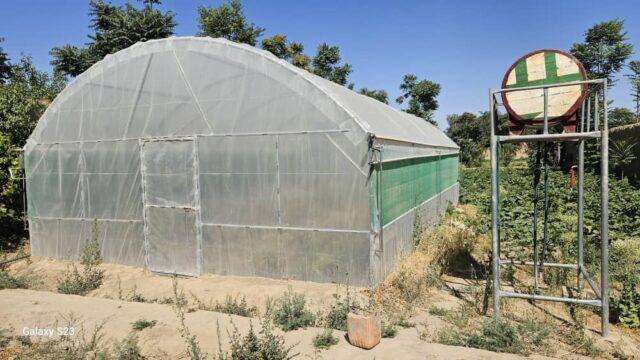
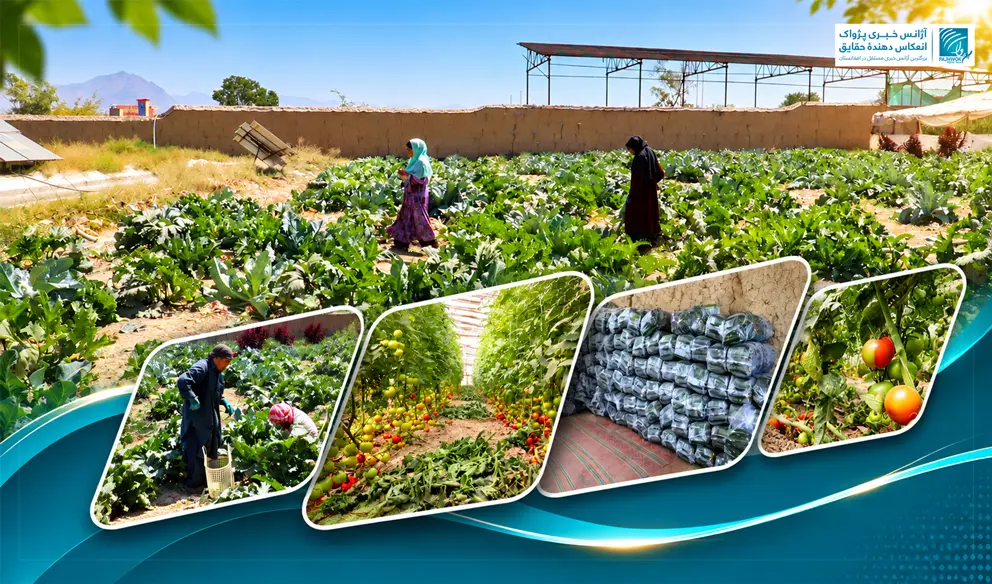
At a 10-jerib greenhouse in Haji Nabi Township in Kabul, managers and workers described water shortages, the use of different types of agricultural fertilisers and variations in yields across different parts of the land, highlighting the importance of resource management in greenhouse production.
Mohammad Hosseini, the greenhouse manager, told Pajhwok Afghan News that improved seeds were used at the facility and that the type and quantity of fertiliser were determined according to crop requirements.
He said that, alongside animal manure, various chemical fertilisers were used, including products referred to as black and white fertilisers, Turkish and Dutch fertilisers, as well as foliar fertilisers.
Hosseini said that this year, in addition to cucumbers, which had been the main crop in previous years, cauliflower, squash, bell peppers and tomatoes had also been planted.
Sakhi, one of the greenhouse workers, who said he had five years of experience in the sector, stressed that fertilisers had to be applied carefully and in appropriate quantities, as excessive use could damage plants.
“You have to know how much fertiliser to apply. If you use too much, it burns the plant, and if you use too little, it has no benefit. There is a proper measure for applying fertiliser,” he said.
Sakhi added that animal manure was also used during planting and that changing the type of crop the following year was advisable to avoid problems associated with continuous cultivation.
Another worker, Ahmad Moradi, said yields varied across different parts of the greenhouse, with some areas producing less than others.
He said fertilisers were applied two to three days a week, with the type selected according to the crop and its requirements.
“Even within this greenhouse, there are differences. One part of the soil does not produce crops, while the part where the soil is better and has not yet suffered much damage produces a better yield,” he said.
Moradi said chemical fertilisers affected plant growth and the quality of produce, adding that plants did not grow as quickly with animal manure as they did with chemical fertilisers.
He said he had moved to Kabul from Daikundi province and had worked in the profession for 16 years, including seven years at the greenhouse, which is now located in Haji Nabi Township.
Moradi said the greenhouse had previously operated in Deh Sabz and that crops were now being cultivated on a total of 10 jeribs of land.
Speaking about water shortages, he said: “Unfortunately, the water situation is very bad. We face a severe shortage of water. Last year, we brought water by tanker, but even that was not enough. This year, we have laid a water pipe from the township, which has eased the problem to some extent.”
Water management: A key factor in maintaining soil quality
Hashimi said irrigation water quality and the way it was used were important for maintaining soil quality. Water with a high salt content could increase soil salinity, making it essential to check its quality before using it for irrigation.
He described drip irrigation as a method that, when properly designed and managed, could deliver water directly to plant roots and reduce wastage.
However, he cautioned that drip irrigation alone could not prevent salt accumulation in the soil. The quantity and quality of water, drainage and plants’ actual water requirements also needed to be taken into account.
Agricultural plastics and their environmental impact
Alongside fertilisers and water, plastics used in greenhouses are another concern when assessing the environmental impact of greenhouse production.
Plastic greenhouse coverings, irrigation pipes and packaging for fertilisers and other agricultural materials can become harmful waste if improperly used or disposed of.
Hashimi said plastics were made from petroleum-based materials and that some types could remain in the environment for long periods if discarded. As they broke down into smaller particles, they could enter the soil.
He added that plastic waste in the soil could affect natural soil processes, while burning plastics released harmful gases and substances into the air.
The expert stressed that plastics used in greenhouses were no exception and should be properly collected and managed once they became worn out.
The Food and Agriculture Organisation of the United Nations (FAO) has also warned that plastic products used in agriculture, including greenhouse coverings and irrigation pipes, can pollute soil and the environment if not properly managed.
Ministry of Agriculture: Unbalanced fertiliser use reduces soil quality
Maulvi Sher Mohammad Hatami, director of information and public awareness and spokesman for the Ministry of Agriculture, Irrigation and Livestock, told Pajhwok that chemical fertilisers, when properly applied in appropriate quantities, supplied plants with essential nutrients, improved their growth and increased agricultural yields.
He added that excessive or improper use of these fertilisers could reduce soil fertility, disrupt nutrient balance and contaminate soil and water.
Hatami said chemical fertilisers did not weaken soil on their own; rather, their excessive and unbalanced use could gradually reduce soil quality.
He said chemical fertilisers should be applied in appropriate quantities alongside organic fertilisers to maintain soil fertility. Crop rotation and proper irrigation management were also important for preserving soil health.
He added that in greenhouses, limited space and intensive cultivation meant excessive fertiliser use could cause salts to accumulate in the soil and damage plant roots. In open fields, meanwhile, improper fertiliser use could wash nutrients out of the soil and pollute water resources.
The ministry spokesman said the ministry implemented procedures to control the quality of chemical and organic fertilisers and prevent the import and sale of substandard products. Imported and locally produced fertilisers were inspected against the approved list of fertilisers and established standards.
He said professional staff at the country’s ports checked fertiliser quality, while market inspections were also conducted to prevent the sale of substandard products.
The ministry also organised awareness programmes for farmers through its provincial extension workers to encourage the correct use of fertilisers at appropriate times.
Hatami added that opportunities had been created for the production and supply of various organic fertilisers, including compost, vermicompost, poultry manure and biofertilisers. Recently, several companies had been authorised to produce organic fertilisers in different provinces.
More than 25,000 greenhouses across the country
Asked about the number of greenhouses nationwide, Hatami said available figures showed that the country had approximately 25,225 greenhouses, of which 4,716 had been built in recent years.
He said the greenhouses contributed to agricultural production, increased farmers’ incomes and helped meet market demand.
sa