
SHIBERGHAN (Pajhwok): Women in Shiberghan, the capital of northern Jawzjan province, who have created jobs and income opportunities through cucumber greenhouses, say extreme heat and water shortages have reduced this year’s harvest.
They have called on the government and aid organisations to support the revival of their activities.
Cucumber greenhouses provide jobs for 25 women
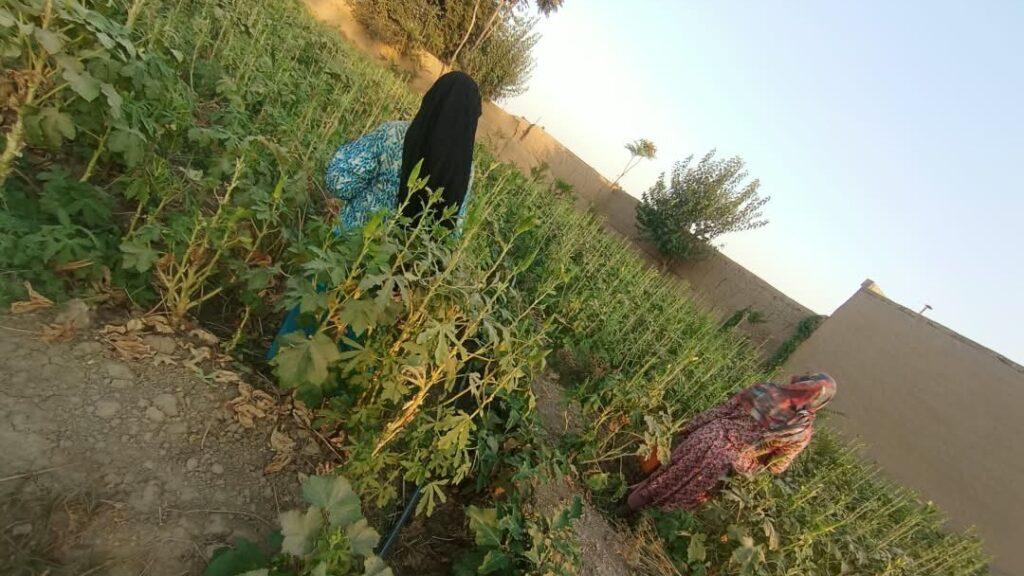
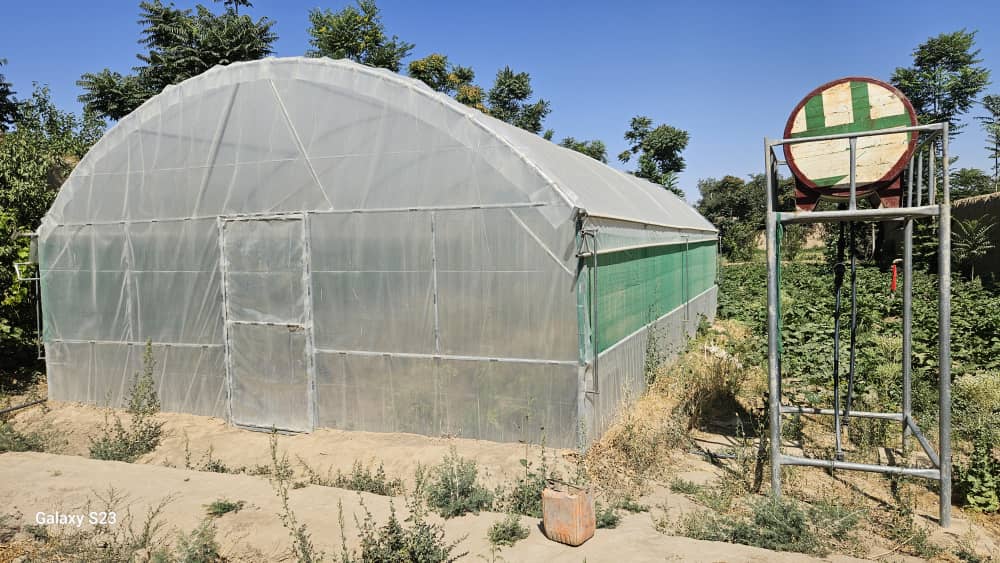
Malika, 39, a resident of Shiberghan, told Pajhwok Afghan News that she had established a cucumber greenhouse in the Zair-i-Chinar area of the city about two years ago with 50,000 afghanis in funding and support from the Agency for Technical Cooperation and Development (ACTED).
She said the greenhouse had provided employment for 25 women, who shared the income earned from cucumber sales.
She added that they had enjoyed a good harvest in the first year, but this year’s crop had suffered because of extreme heat and water shortages.
Meanwhile, Lailuma, 37, another woman involved in cucumber farming in the area, recalled that in previous years the harvest had been sufficient for families to keep some cucumbers for their own consumption and sell the remainder in the market.
This year, however, the harvest had been poor, with most of the cucumber plants drying up.
She said the income generated by the activity had played an important role in covering her family’s expenses. However, since her husband had travelled to Iran for work, meeting household costs had become more difficult.
She called on the government and aid organisations to help women resume their activities.
“If the government and partner organisations once again provide us with employment and income-generating opportunities, including by digging wells and supplying the necessary modern equipment, production will recover,” she said.
Masoda, 42, a mother of seven, was another woman who worked in the greenhouse and contributed to her family’s expenses with the income she earned.
She said she packed cucumbers harvested at the farm and sold them in the market, sometimes making pickles from them as well.
“I am grateful to the government and ACTED for building the greenhouse for us and providing cucumber seeds and equipment. They also provided a water tunnel and all the chemical fertilisers. I planted the cucumbers myself, packed them myself and sold them to shops. But water shortages disrupted our work, and we had a poor harvest this year,” she said.
She also called on the government and aid organisations to pay greater attention to agriculture, adding that drip irrigation should be promoted among women farmers.
Experts: Financial support alone will not solve water shortages
Economic expert Abu Rayhan Intezar described the role of women in Jawzjan’s agricultural sector as effective and valuable, saying women had worked alongside their husbands in farming for many years.
Referring to women’s cucumber-growing activities in greenhouses, he said greenhouse cultivation could create income opportunities for women and rural families. However, its success depended on several factors, including greenhouse construction costs, access to suitable seeds and water, production levels and the availability of markets.
He stressed the need to provide farmers with access to financial resources and suitable loans, alongside technical training in greenhouse farming, irrigation, pest control and production management.
Meanwhile, agricultural expert Abdul Sattar Jalal identified water shortages, drought, extreme summer heat and plant pests as major challenges facing cucumber production in Jawzjan.
He said efficient drip-irrigation systems, properly prepared furrows and planting beds to direct water towards plant roots, and the use of mulch to reduce evaporation could help conserve water.
Jalal explained that mulch is material spread over the soil around plants to retain moisture and reduce water evaporation. It can be made from natural materials, such as straw, dry leaves, grass and plant residues, or artificial materials, such as agricultural plastic.
27 greenhouses operating in Jawzjan capital: Agriculture department
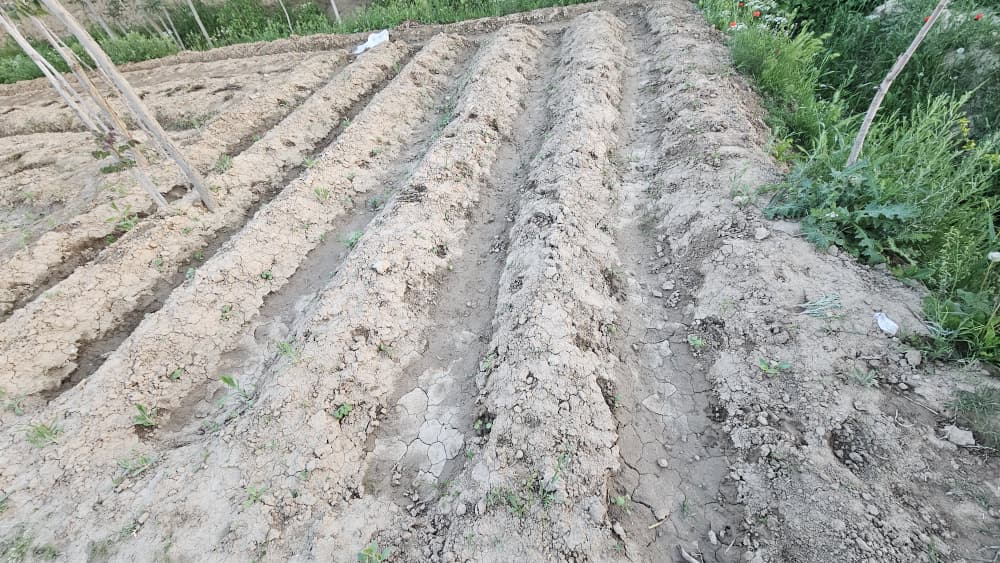
Zabihullah Khairandish, spokesman for the Department of Agriculture, Irrigation and Livestock, emphasised the important role women play in agriculture.
He said women had previously obtained good yields from their greenhouses, but this year’s extreme heat had reduced production.
He added that efforts were under way, with support from partner organisations, to address the women’s problems by establishing technically equipped greenhouses with drip-irrigation systems, providing vocational training, and supplying improved seeds and chemical fertilisers.
kk/sa