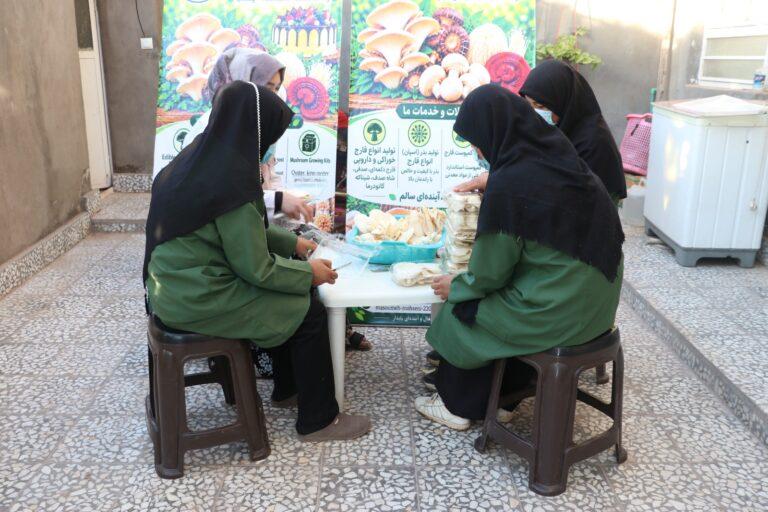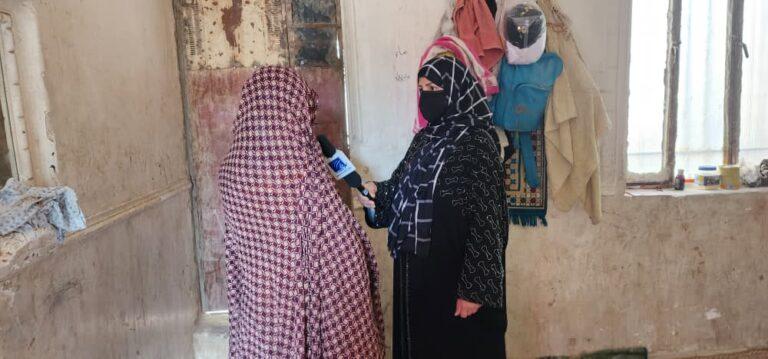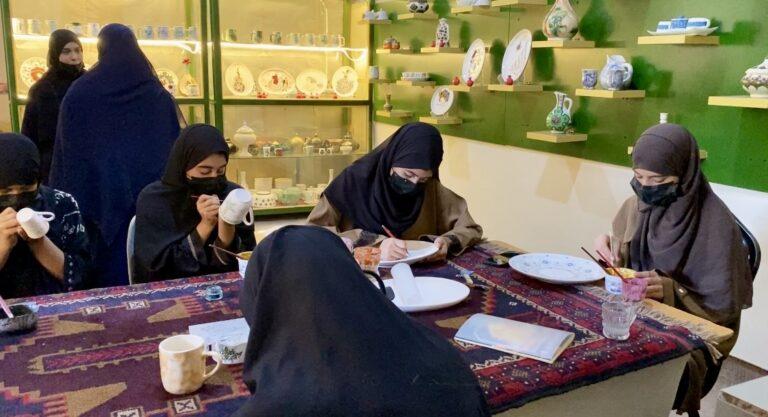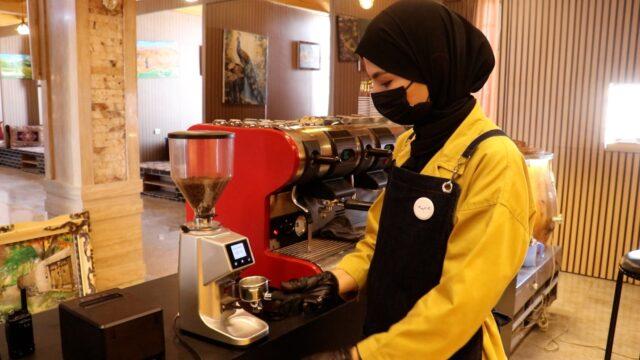
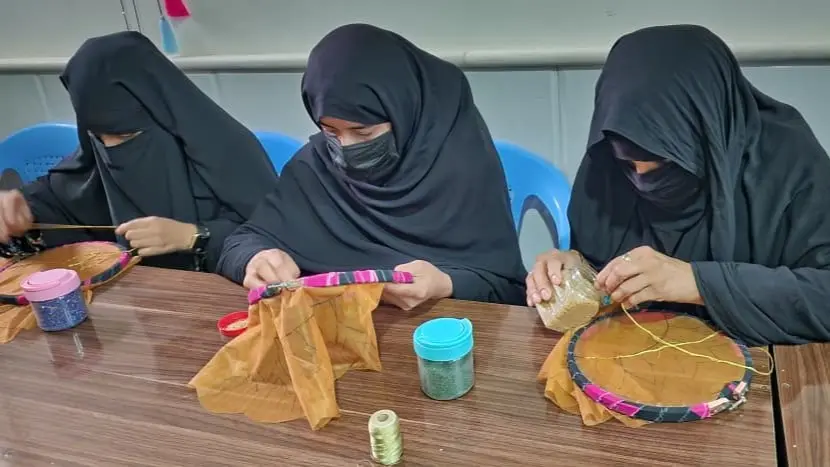
ZARANJ (Pajhwok): A handicrafts and tailoring workshop in northwestern Nimroz province has trained 800 girls and provided employment to 130 women since it was established three years ago, offering opportunities for vocational training and income generation.
Sohaila Alizehi, head of the Zaranj Women’s handicrafts and tailoring workshop, told Pajhwok Afghan News that she established the centre three years ago with five sewing machines and five employees.
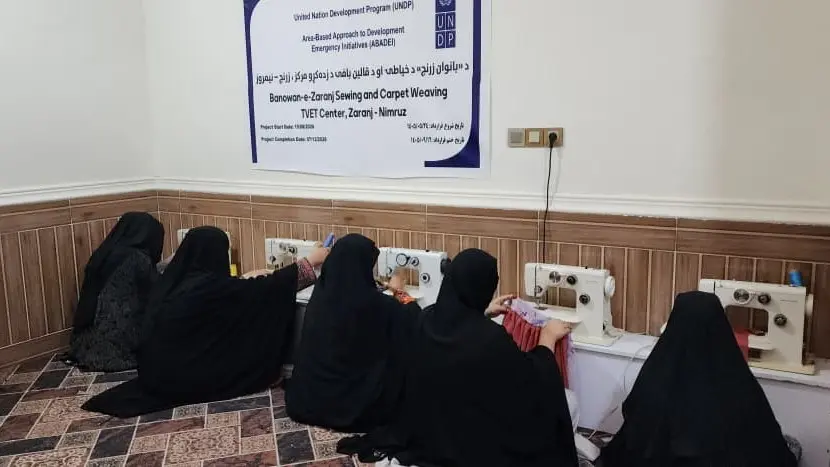
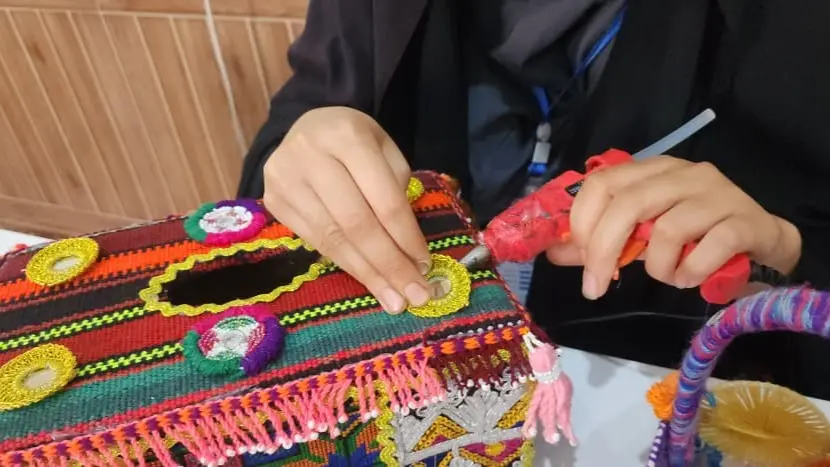
She said the workshop had expanded its activities over the past three years to include carpet weaving, beadwork and other handicrafts. Its products now include traditional Afghan embroidered dresses, handwoven carpets, bead-embroidered clothes and scarves, Balochi zigpdan garments and other handicrafts.
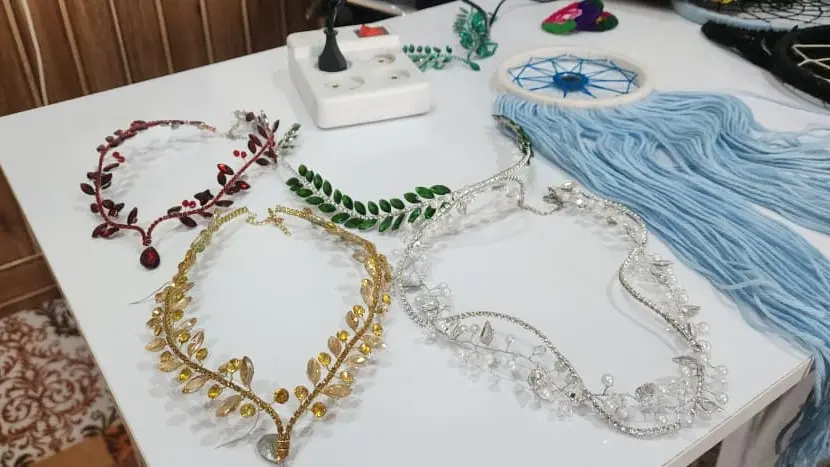
Alizehi said the centre later introduced free tailoring courses for girls, with 800 women and girls having received training so far.
Some graduates have established their own workshops, while others have found employment in production centres, she added.
The workshop currently employs 60 women at its premises and provides work to another 70 women, particularly in Balochi embroidery and tailoring, which they do from home.
Alizehi said 200 girls were currently receiving training in different sections of the centre. Around 25 employees and 50 trainees were migrants.
“Alongside training, our workshop has provided employment and income opportunities to hundreds of women, most of whom are widows, underprivileged women, female heads of households and migrants.
Nimroz is a border province, and we are trying to help people returning to the country acquire vocational skills and establish sources of income,” she said.
Regarding the market for the workshop’s products, Alizehi said it received weekly orders from Nimroz, other provinces and abroad. The centre also had annual contracts with several schools to produce students’ uniforms.
She said the workshop could now produce around 80 carpets a month for foreign markets, compared with its previous capacity, when it struggled to accept orders for even 10 carpets.
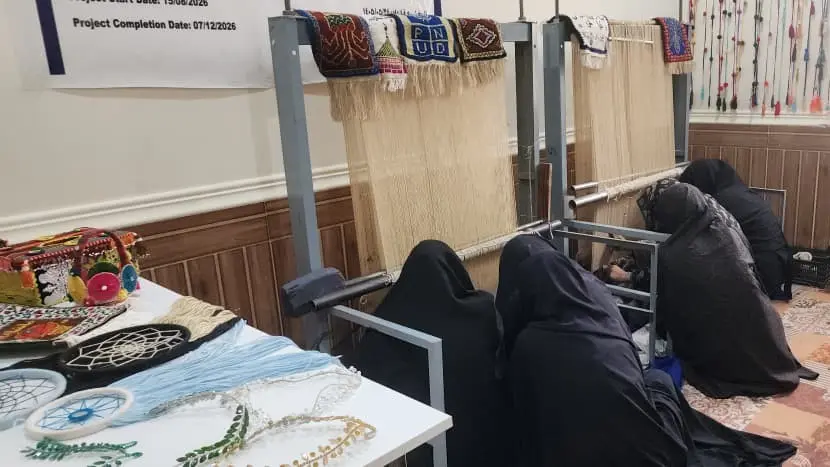
Some of its products, including women’s handwoven carpets and traditional Afghan embroidered dresses, are also exported to European markets, she added.
“Expanding our business in European markets and receiving orders for traditional Afghan dresses, locally made rugs and handicrafts have helped our business grow and enabled us to employ more women. Thankfully, I am satisfied with our work,” Alizehi said.
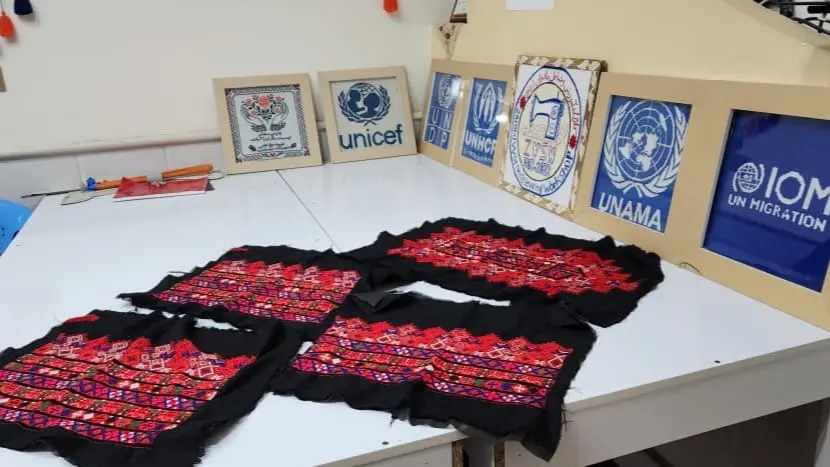
She added that the workshop previously produced only two sets of clothes a day, but now also made school uniforms, clothes for children in orphanages and other garments, with daily production sometimes reaching 50 sets.
However, Alizehi said the war in Iran sometimes negatively affected the workshop’s activities, as border closures led to higher raw material prices.
“We plan to establish three more centres in needy areas of Nimroz, particularly in districts and areas where migrants live, provided we receive support from institutions and organisations. We need assistance to obtain sewing equipment, carpet-weaving machines and larger premises,” she said.
Workshop improves women’s livelihoods
Several women who have received training or found employment at the workshop say the opportunities have positively affected their financial circumstances and family lives.
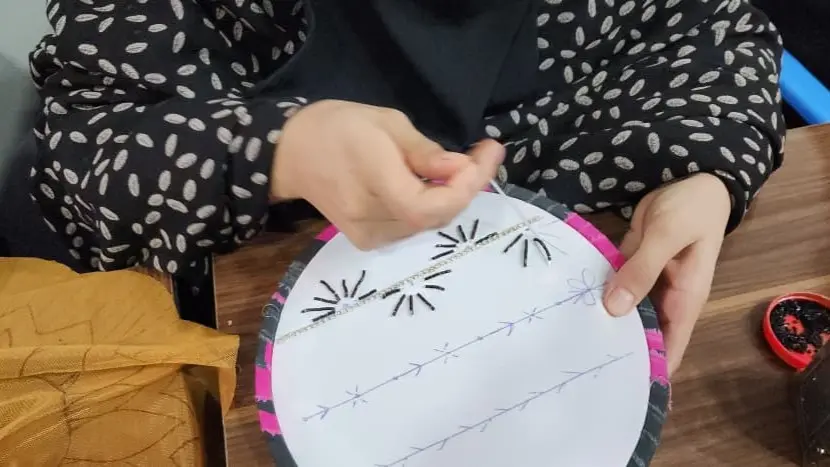
Nasima, a tailoring instructor at the centre, said she had been interested in sewing since childhood but could not learn the trade properly because of a lack of facilities and opportunities.
“After learning about this workshop, I joined and received professional tailoring training under skilled instructors. I am responsible for four children and earn a monthly salary of 7,000 afghanis here. I also earn around 4,000 afghanis a month from work at home, which is enough to support our family,” she said.
She called for continued support for such workshops to ensure that female heads of households also had access to training and employment opportunities.
Maryam Tajik, a carpet-weaving instructor at the centre, said she had been familiar with carpet weaving before the workshop was established but could not earn enough from the trade because of the lack of a suitable market in Nimroz.
She said the workshop had provided her with employment and she now earned a monthly salary of 8,000 afghanis from weaving carpets there.
Tajik added that she also wove carpets at home to earn additional income.
“Before joining this workshop, our financial situation was very poor. My children did not go to school and spent the whole day collecting old plastic bags and cans from the streets to sell. But now, thanks to the salary I earn here, I have been able to stop my children from doing that work and enrol them in school,” she said.
She expressed hope that the workshop would expand its activities and provide employment opportunities to more women.
sa