
HERAT CITY (Pajhwok): Despite family opposition, economic hardships and some traditional beliefs, a number of women in Herat are working as vendors and producers in the market. They say their presence in the market provides them with an opportunity to earn an income, interact directly with customers and continue their economic activities.
From home to the market: A path that is not easy for some women
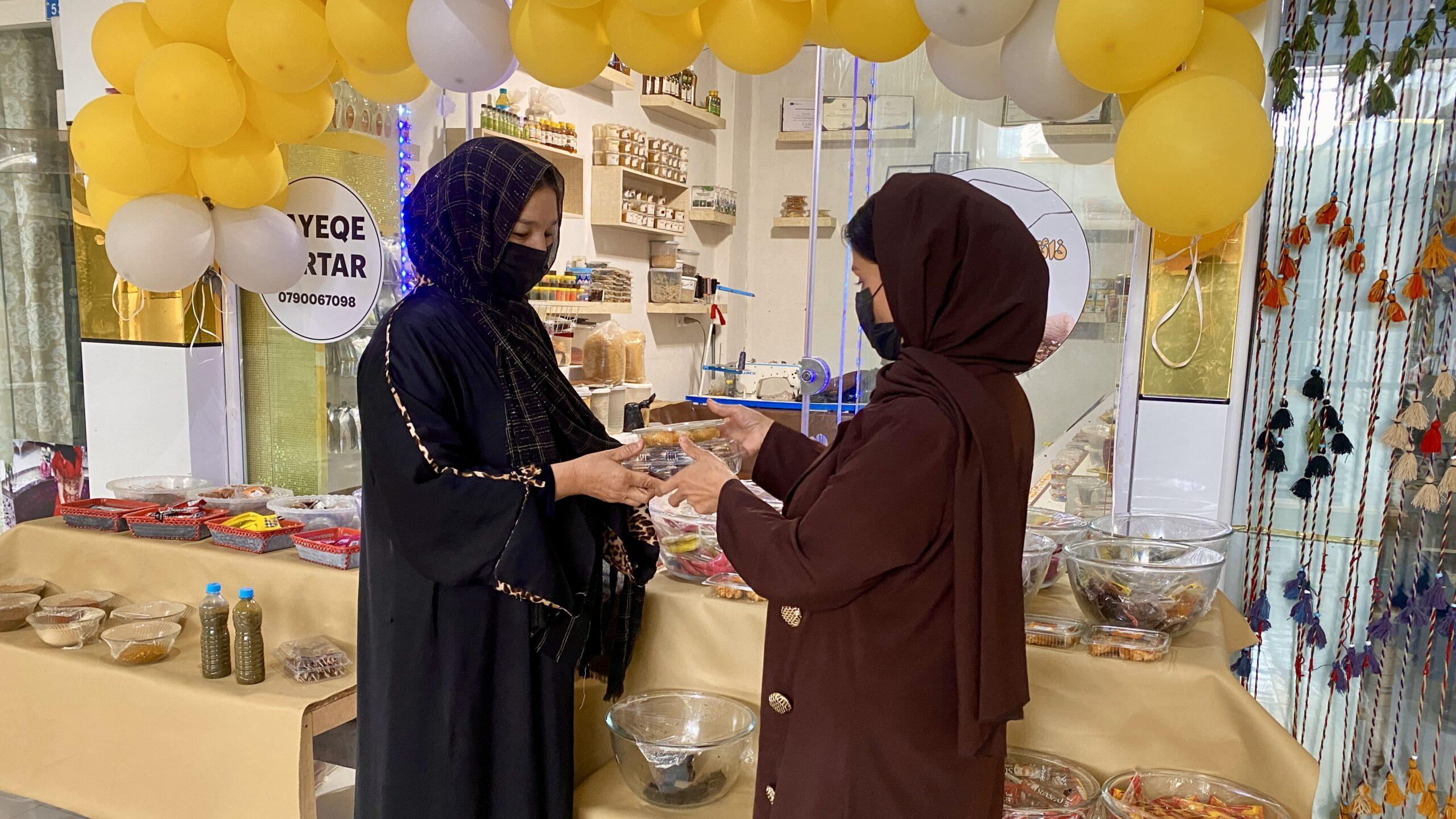
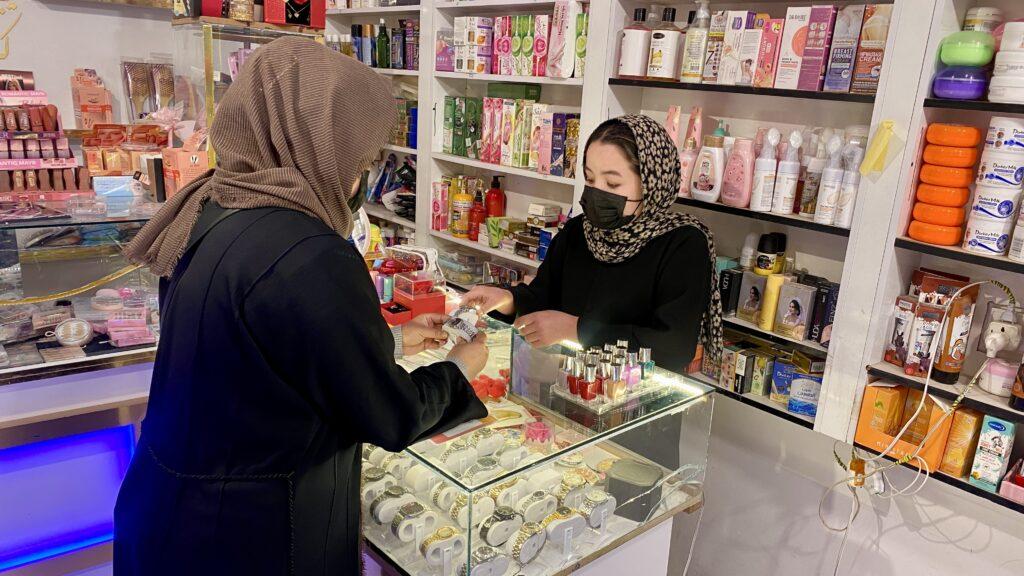
In a corner of Herat city’s market, Zarafshan Ahmadi, who sells women’s cosmetics and hygiene products, says she has been working in the market for four years and plays an important role in supporting her family financially.
Recalling the early days of her work, she said: “At first, I faced opposition from my family, especially my father. But when they saw other women vendors and my workplace, they accepted that I could continue. The first six months of my work were really difficult for me.”
In the early stages of her work, however, Zarafshan faced not only opposition from her family but also negative attitudes from some members of society toward women vendors. At times, she heard insulting remarks, but she did not give up and continued working.
Her experience shows that, for some women, entering the market does not end with finding a job; gaining acceptance from their families and society is also an important part of the journey.
Zarafshan is not the only woman who has entered the market and chosen self-employment to address economic difficulties. Sharifa Rezaei, another resident of Herat, also works as a vendor in the city’s market.
Rezaei said that, in previous years, fewer women worked in shops, while some women felt uncomfortable buying women’s and hygiene products from male vendors.
She, too, faced opposition when she started working. She said: “When we first had a shop, there were not many women, and women were not comfortable buying hygiene or women’s products from men. At that time, many women were not allowed to have shops or work as vendors.”
According to her, the attitudes of families and society toward women working as vendors in the market have now changed, and some people even welcome their presence.
Meanwhile, Setayesh Kazemi, a handicraft producer and vendor in Herat, said: “It is very good for women to sell their own products themselves. In this way, the products reach customers directly.”
She said that when a woman entrusts her products to someone else to sell, she loses part of the profit and income that should go to the producer.
Female customers welcome women vendors
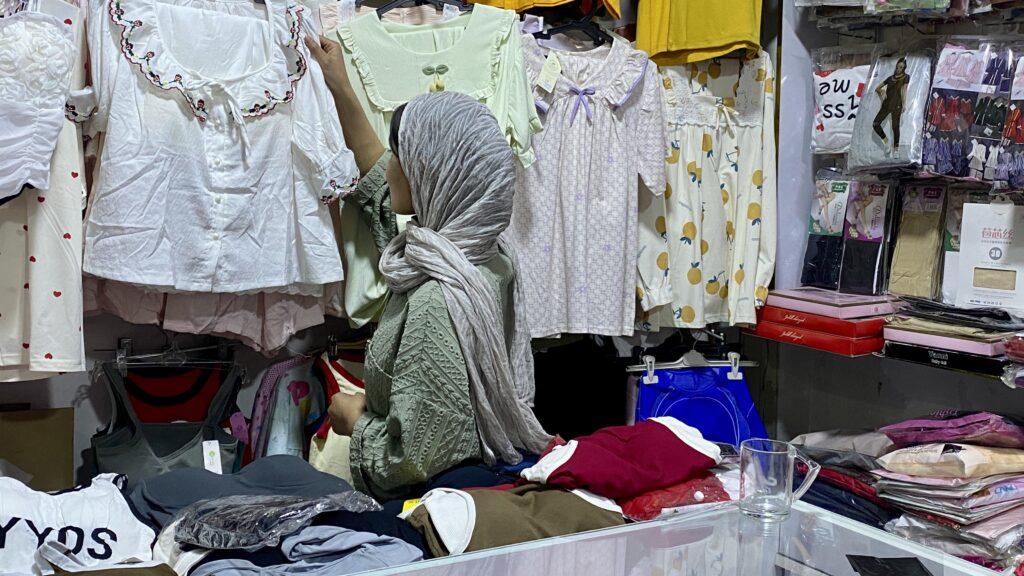
The issue comes as the presence of women vendors in the market is also important to some female customers, as they can purchase certain necessities more comfortably from women.
Somaya Haidari, one of the customers visiting the market, said: “Given the situation we are in, and the fact that more restrictions are being imposed on women every day, I am happy to see women present in different areas of society, particularly working as vendors.”
Maryam Noori, who recently travelled from Kandahar to Herat, also said: “I am very happy and feel comfortable when I see women working in sales…”
Experts: Women’s presence in the market contributes to economic growth
Masooma Jami, a social activist, said women’s participation as producers and vendors can strengthen their role in economic activities and provide greater opportunities for them to use their abilities in society.
Referring to the importance of women’s presence in the market as vendors, she said such spaces give women an opportunity to gain greater self-confidence, expand their social networks and play an active role in society.
Meanwhile, Shoaib Rahimi, an economic affairs expert in Herat, considers women’s participation in the market and economic activities one of the important factors contributing to economic growth.
He said: “Women’s presence in the market is considered one of the important factors in economic growth. Women vendors, in particular, play a role both in the labour market and the goods market. On the one hand, by selling their products, they contribute to the supply of goods, and on the other, by entering the labour market, they help increase the number of employed people and reduce unemployment.”
119 women work in women-only markets
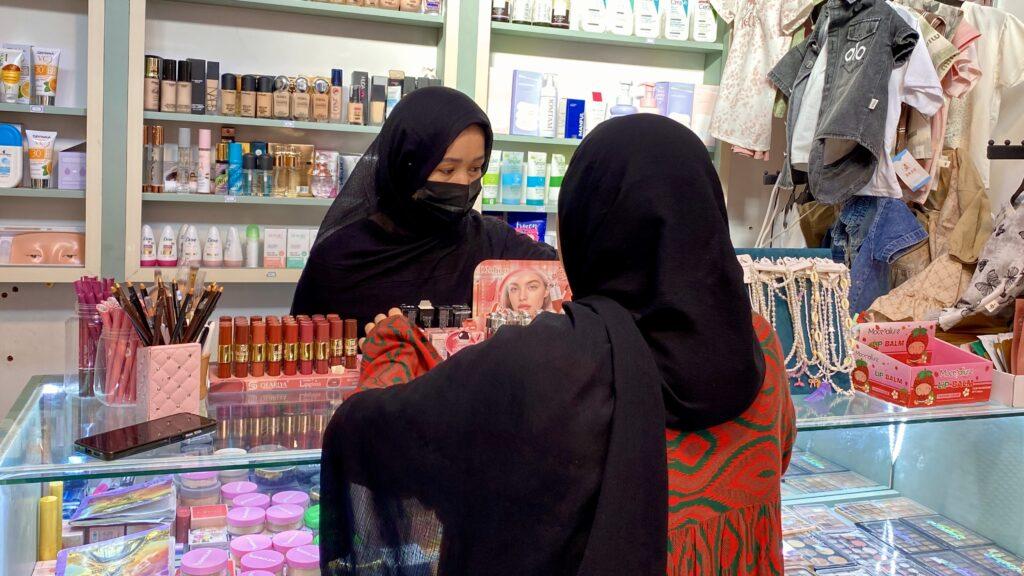
Behnaz Saljoqi, head of the Women’s Chamber of Commerce and Industries of Afghanistan in the Western Zone, said the number of women working as vendors in women-only markets has reached 119.
She said one of the main challenges women face in sales is the lack of full public confidence in women’s products. Although the situation has improved compared with the past, some customers still prefer to buy from male vendors.
She added that family restrictions remain another challenge, as some families do not allow their women and daughters to work as vendors in markets.
According to Saljoqi, women who sell their products online can reach more customers by having a physical presence in the market, where they can introduce their products directly and sell them to customers.
The experiences of women producers and vendors in Herat show that the market is not merely a place to sell goods for them; it is also an opportunity to earn an income, communicate directly with customers and continue their economic activities.
Despite economic difficulties, family restrictions and some traditional beliefs, a number of women continue to seek a presence in the market and sell their own products.
sa