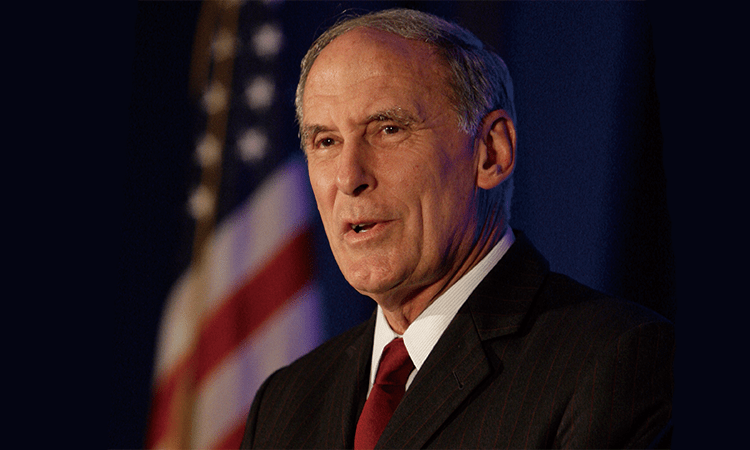

<p>WASHINGTON (Pajhwok): Noting that Pak-based terrorist groups would continue to carry out attacks inside <a href="/en/afghanistan" class="glossify-link">Afghanistan</a>, a top American spymaster warned that situation in this country was likely to deteriorate in the year 2018, a top American spymaster told lawmakers on Tuesday.</p>
<p>“The Intelligence Community assesses that the political and security situation in Afghanistan will almost certainly deteriorate through 2018 even with a modest increase in military assistance by the United States and its partners,” Dan Coats, Director of National Intelligence told members of the Senate Armed Services Committee during a Congressional hearing on Worldwide Threats.</p>
<p>“This deterioration is underpinned by Afghanistan's dire economic situation. Afghanistan will struggle to curb its dependence on <a href="/en/external" class="glossify-link">external</a>,” Coats said painting a grim picture of this war torn country.</p>
<p>According to Coast, Pakistani-based terrorist groups would present a sustained threat to US interests in the region and continue to plan and conduct attacks in India and Afghanistan. </p>
<p>“The threat to the United States and the West from Pakistani-based terrorist groups will be persistent but diffuse. Plotting against the US homeland will be conducted on a more opportunistic basis or driven by individual members within these groups,” he said.</p>
<p>“Meanwhile, we assess that the Taliban is likely to continue to make gains, especially in rural areas. Afghan security forces performance will probably worsen due to a combination of Taliban operations, combat casualties, desertions, poor logistics support, and weak leadership,” Coats said.</p>
<p>Coats said the overall situation in Afghanistan would very likely continue to deteriorate, even if international support is sustained. </p>
<p>Endemic state weaknesses, the government’s political fragility, deficiencies of the Afghan National Security Forces (<a href="/en/ansf" class="glossify-link">ANSF</a>), Taliban persistence, and regional interference would remain key impediments to improvement, he said. </p>
<p><a href="/en/afganistan/kabul" class="glossify-link">Kabul</a>’s political dysfunction and ineffectiveness would almost certainly be the greatest vulnerability to stability in 2017, he added. </p>
<p>ANSF performance would probably worsen due to a combination of Taliban operations, ANSF combat casualties, desertions, poor logistics support, and weak leadership, he said. The ANSF would almost certainly remain heavily dependent on foreign military and financial support to sustain themselves and preclude their collapse. </p>
<p>“Although the Taliban was unsuccessful in seizing a provincial capital in 2016, it effectively navigated its second leadership transition in two years following the death of its former chief, Mansur, and is likely to make gains in 2017,” Coats said. </p>
<p>“The fighting will also continue to threaten US personnel, allies, and partners, particularly in Kabul and urban population centers,” he said. “ISIS’s Khorasan branch (ISIS-K)—which constitutes ISIS’s most significant presence in South Asia—will probably remain a low-level developing threat to Afghan stability as well as to US and Western interests in the region in 2017,” Coats said.</p>