Language

Don't you have an account with Pajhwok Afghan News?

Click here to subscribe.

Kabul bombing sparked Afghan political crisis, UNSC told

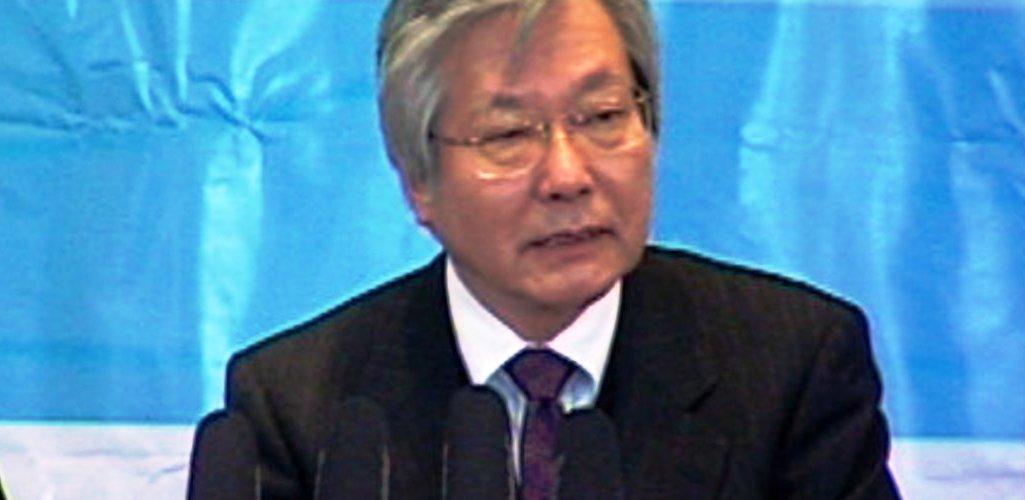
KABUL Tadamichi Yamamoto has said recent ‘security and political crisis’ in Afghanistan was sparked by a terrorist bombing in Kabul’s centre on 31 May.

Briefing the United Nations Security Council (UNCS) on Wednesday, he said the increasing political fault-lines on ethnic basis were particularly worrying at a time when the Islamic State (Daesh) was attempting to provoke sectarian strife in the country through attacks against Shia Muslims.

 “During the anti-government demonstrations on June 2, we at UNAMA conducted extensive outreach to leaders on all sides, particularly leaders of political movements which were considering joining the protests.”

“We urged restraint, warned of the negative consequences for everyone of loss of control, and requested them to give time to allow their grievances to be addressed without violence,” he said.

Coupled with intensive efforts by government and members of the diplomatic community, he said, the immediate risk of escalation was defused.

“I remain concerned, however, that without changes in governance practices we are likely to face future crises that might be more difficult to contain.”
Yamamoto said that there have been indications since last summer that Afghanistan’s broad political consensus was fraying.

A growing number of political factions, some who were formerly part of the National Unity Government as well as a younger generation of political forces, have begun to criticise and demand reforms from government, he said.

“The government, on the other hand, claims that opposition groups block important reforms and stoke tension by calling for the government to be replaced.”

“Each side accuses the other of acting against the national interest. It appears to me undeniable that these perceptions have contributed to tensions that characterize today’s political environment,” he said.

 “The existence of opposition is natural in any political scene, but the amount of mistrust is growing and there is an increasing resort to uncompromising slogans and statements which can fuel further violent protest.

He said fforts at inclusiveness and building consensus for political stability were critical and the Afghan vision for peace was premised on the fact that a stable Afghanistan would lead to a stable and more prosperous region.

 “Achieving this vision will require the strong determination of all states concerned, particularly of the region and the neighbourhood,” he said. He said however that the recent series of security incidents has demonstrated the urgent need for reforms in the security sector.

He said Afghanistan was facing numerous internal challenges in addition to fighting an insurgency that appears to be gaining ground.

“These include deep rooted political tension, the difficulty of integrating socially and economically the thousands of Afghan refugees who return each day, an economy that is only very slowly recovering after the international drawdown in 2014, and pervasive corruption.”

ma

Related Topics

GET IN TOUCH

SUGGEST A STORY

Pajhwok is interested in your story suggestions. Please tell us your thoughts by clicking here.

PAJHWOK MOBILE APP

Download our mobile application to get the latest updates on your mobile phone. Read more