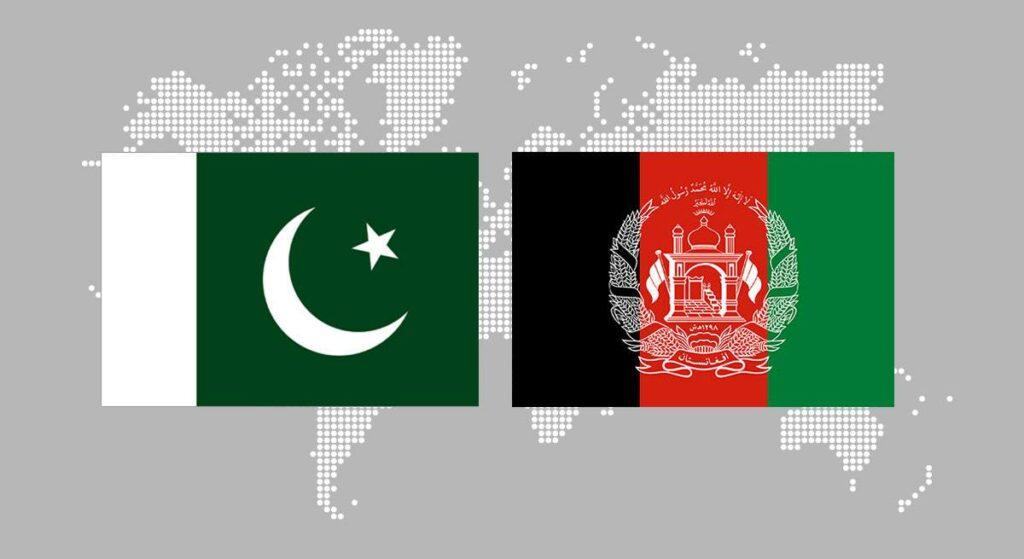

KABUL (Pajhwok): Absent a peace deal between the warring sides, Kabul and Islamabad have voiced serious concerns at a possible spike in violence in Afghanistan after the withdrawal of foreign forces.
In a joint statement issued after a two-day Track II Dialogue in Islamabad on Wednesday, Afghanistan and Pakistan underlined the need for stepping up the Afghan peace negotiations.
“The South Asian region is going through critical times laced with ardent hope for peace to return to Afghanistan. Simultaneously, there is a lurking fear of more violence in the aftermath of the withdrawal of the US and NATO forces from the country,” said the statement.
“It is in such times that sane and pragmatic voices should speak with an open, dispassionate and candid mind to set forth their take on the ongoing developments and how best to address the challenges,” it added.
Against this backdrop, a Track-II platform was provided for these voices to speak regarding a number of issues which are integral to the cause of bringing peace and development to Afghanistan and throughout the region.
The first round of the Afghanistan-Pakistan Track-II Dialogue was held in Islamabad on June 14-15. The dialogue was organised by the Regional Peace Institute (RPI).
Organised under the theme of “Stepping into the future – Peace, partnership and progress” four working sessions were held to discuss critical challenges.
The challenges included the dynamics of the peace process — hopes and impediments, the centrality of women’s role in the future of Afghanistan – inclusivity for societal growth and sustainability, a post-withdrawal paradigm – forging economic partnerships for sustainable progress and parliamentary cooperation — strengthening democracy and cementing bilateral relations.
The dialogue was inaugurated by Pakistan Foreign Minister Shah Mohammad Qureshi on June 14. He spoke candidly regarding the dire need for peace by forging consensus among all stakeholders in Afghanistan so that peace could return to the war-ravaged country.
A composite report will be released encapsulating the recommendations of the conference and distributed among all stakeholders.
Delegates from Afghanistan, Doha and Pakistan comprising representation from a variety of backgrounds participated in the dialogue.
From Afghanistan, Sayed Hamed Gailani, Mirwais Yasini, Dr. Ghairat Bahir, former ambassadors Dr. Hazrat Omar Zakhilwal and Janan Mosazai, cleric Abdul Salam Abid, journalist Lotfullah Najafizada, Hassina Syed, Sahra Karimi and Hasiba Efat attended the event.
From Pakistan, Ambassadors Riaz Mohammad Khan, Jalil Abbas Jilani, Aziz Ahmed Khan, Ayaz Wazir, Mohammad Sadiq, Fauzia Nasreen, Riffat Masood and Tasnim Aslam, former foreign minister and parliamentarian Hina Rabbani Khar, MPs Andleeb Abbas, Shandana Gulzar Khan and Nafisa Khattak, activist Sarwar Bari, economists Abid Suleri and Vaqar Ahmed, Javed Hasan, journalists Saleem Safi, Tahir Khan and Hasan Khan participated.
From Doha, Fawzia Koofi, Fatema Gailani, Habiba Sorabi and Sharifa Zurmati joined via Zoom.
nh/mud