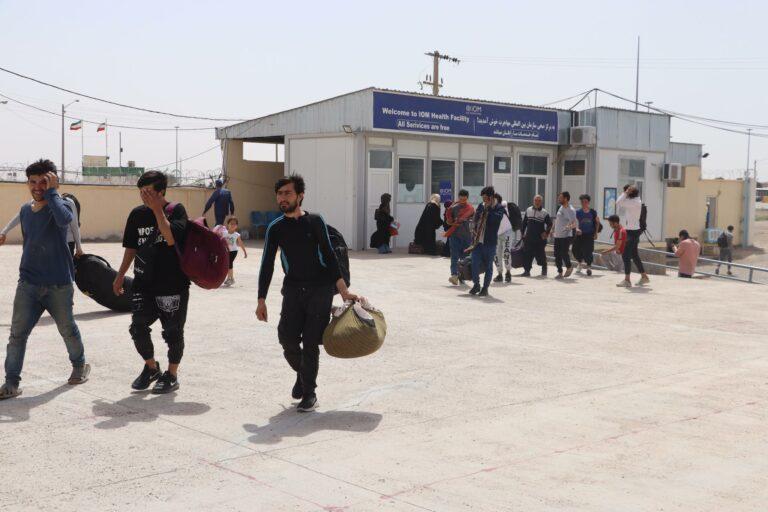
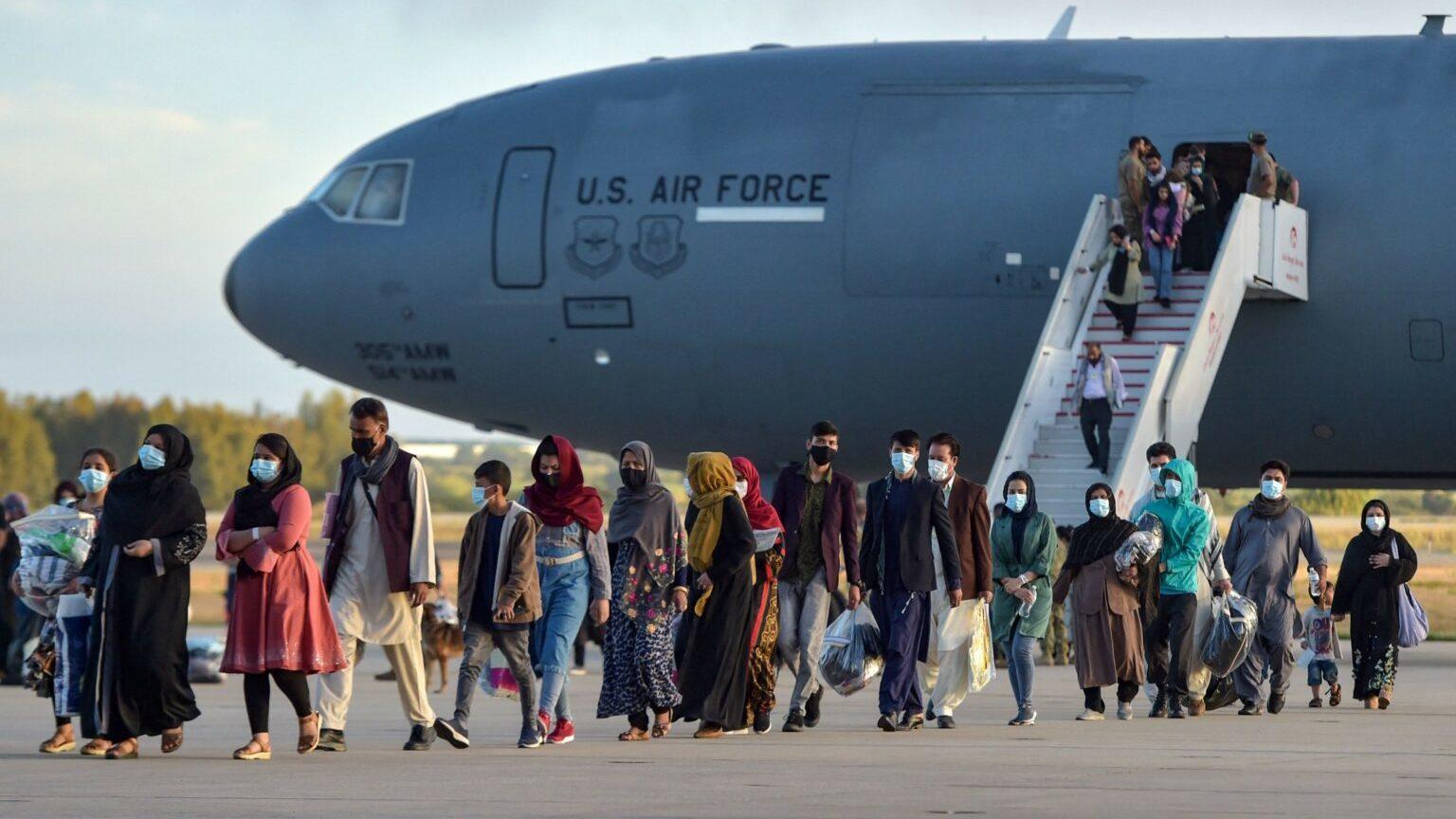
KABUL (Pajhwok): Tens of thousands of Afghans evacuated to US after the ‘Islamic Emirate of Afghanistan’ takeover were now at risk of losing their work permits and deportation protections, according to a media report on Saturday.
The CBS News quoted unpublished government data that Fewer than 5,000 of the 77,000 Afghans resettled in the US under a special legal process have secured permanent legal status for themselves and their families, with efforts to make them permanent residents floundering in Congress.
Despite significant bipartisan support, a proposal to make evacuated Afghans eligible for permanent US residency, known as the Afghan Adjustment Act, has failed to make its way through Congress, mainly due to concerns from some Republican lawmakers over how the evacuees were vetted.
The evacuees who lack permanent status were initially granted “parole,” a special immigration classification that allows foreign citizens to enter the US without a visa and to stay in the country temporarily on humanitarian or public interest grounds — two years, in the case of the Afghans.
By using the parole authority, the Biden administration was able to resettle tens of thousands of Afghans in a matter of weeks following the chaotic military withdrawal from Afghanistan without having to go through the traditional refugee or visa processes, which typically take years to complete.
But the reliance on parole to resettle evacuees — who, for practical purposes, were refugees intent on restarting their lives in the U.S. — also meant their future would be dictated by lawmakers’ willingness, or unwillingness, to give them permanent status. Unlike refugee status, parole does not offer a path to U.S. citizenship.
nh