
KABUL (Pajhwok): Ministry of Borders and Tribal Affairs officials say nearly 30 enmities between tribes and families were resolved during the past one year across the country through mediation.
The interim government has launched efforts since coming to power to resolve feuds and enmities between tribes and families through different ways.
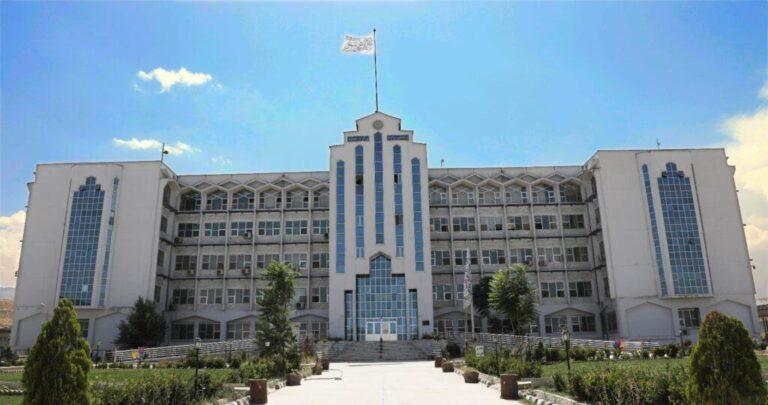
Border and Tribal Affairs Ministry spokesman Maulvi Hamdullah Fitr told Pajhwok Afghan News that officials of the ministry and provincial officials organized 33 big public meetings last year to solve disputes among tribes.
The Ministry of Borders and Tribal Affairs alone organized the 33 meetings in all the provinces last year, he added.
He said 29 disputes over agricultural land and houses between tribes and families were resolved nationwide last year.
These included eight major disputes that had been ongoing for hundreds of years and had claimed dozens of lives, he said.
He mentioned a 91-year-old enmity between two tribes in eastern Nuristan province that had resulted in the killing of 400 people.
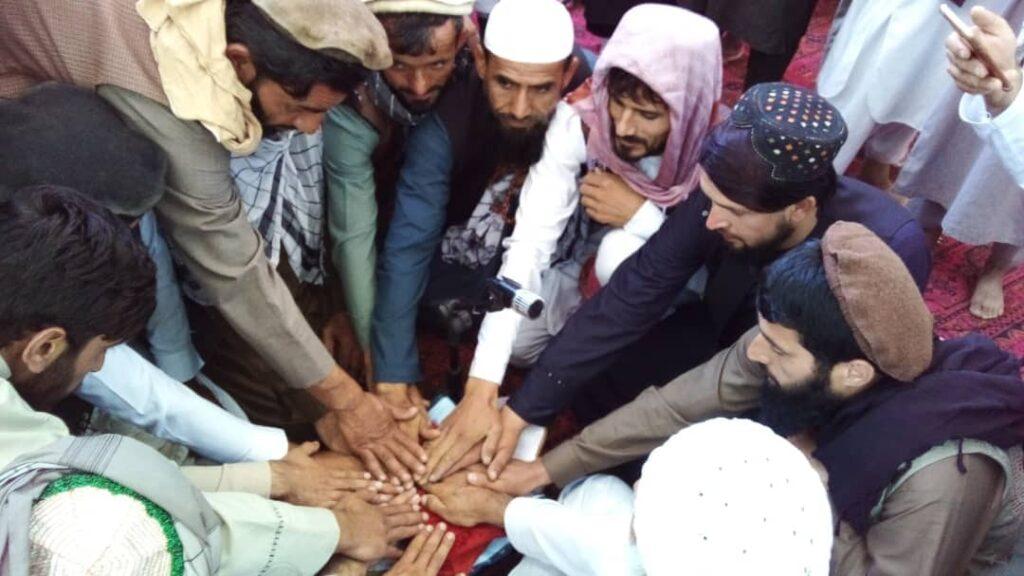
As a result of the enmity, Fitr said dozens of villages, including mosques, had been razed to the ground. However, the enmity was turned into friendship forever following joint efforts of tribal elders, provincial officials and the leadership of the Borders and Tribal Affairs Ministry.
The Ministry of Borders and Tribal Affairs was trying to change other ethnic and family enmities into friendship in the country, Fitr said.
Haji Zahir, a resident of Sarobi district of Kabul province, told Pajhwok Afghan News his decade-old enmity with another family was turned into friendship after the new government’s arrival.
He said the enmity started after a member of his family murdered a person from another family 10 years ago.
He said earlier efforts by tribal elders and religious scholars to resolve the enmity had been unsuccessful.
But about three months ago, their dispute was resolved through the mediation of local officials, residents, elders and scholars, he added.
“I feel happy now. Before, we had a bitter life. We would be in fear every time, we would do business in fear, but now we can freely go anywhere and do our business.”
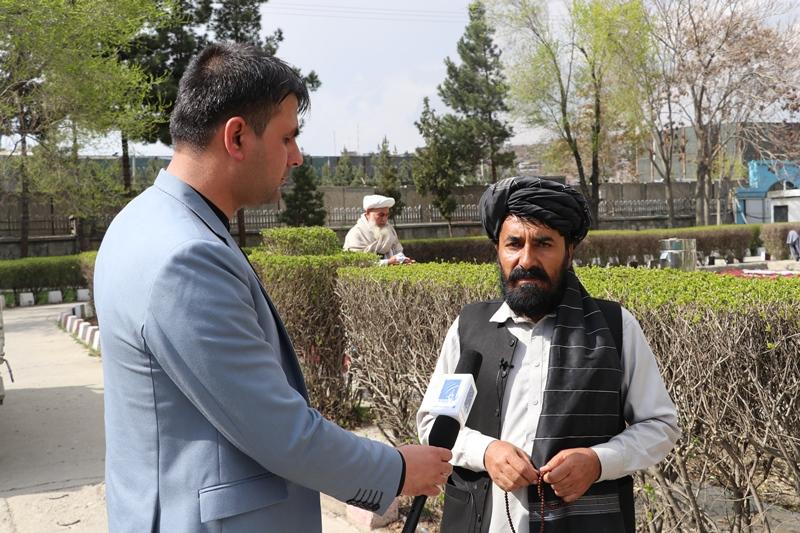
Tribal elder Mullah Bahadur told Pajhwok that small disputes turn bigger if they were not resolved in time. “Instability in the society stems from these conflicts.”
He said only mediation of tribal jirgas could end enmities and the Islamic Emirate should support such jirgas and their reconciliation efforts.
He said: “People prefer jirgas over courts because jirgas solve problems in short span of time.
“Through jirga the rival parties reach a good agreement because they surrender authority to the council to decide”.
Civil society activist Ahmadullah told Pajhwok that in Afghanistan enmities triggered by trivial issues often turn into big conflicts.
He said enmities force families to migrate and in migration they face many problems.
He said: “Families that have enmities cannot send their children to school freely and their children grow up illiterate, which creates other problems for the society.”
He called on all tribes engaged in enmities to give up the culture of enmity and violence and work for the development of the country.
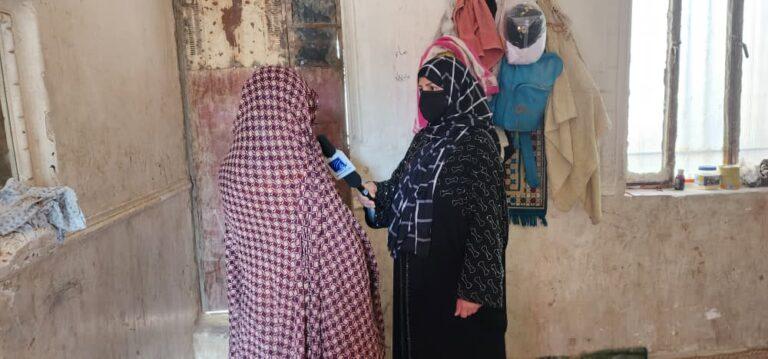
Another civil society activist Suneka told Pajhwok that enmities between families had negative effects on women.
She said men in families that had enmities chased their foes all the day and their women had to deal with household chores and raising children and as a result they develop mental and psychological issues. She added enmities lead to problems and backwardness of the society.
Since the Islamic Emirate’s coming to power, dozens of enmities have been resolved through mediation of officials of the Ministry of Borders and Tribal Affairs, local officials and tribal elders in many provinces.
ma