KABUL (Pajhwok): The Ministry of Public Health (MoPH) says 91 positive cases of Congo fever have been registered across the country during the past two months, raising alarm over the situation.
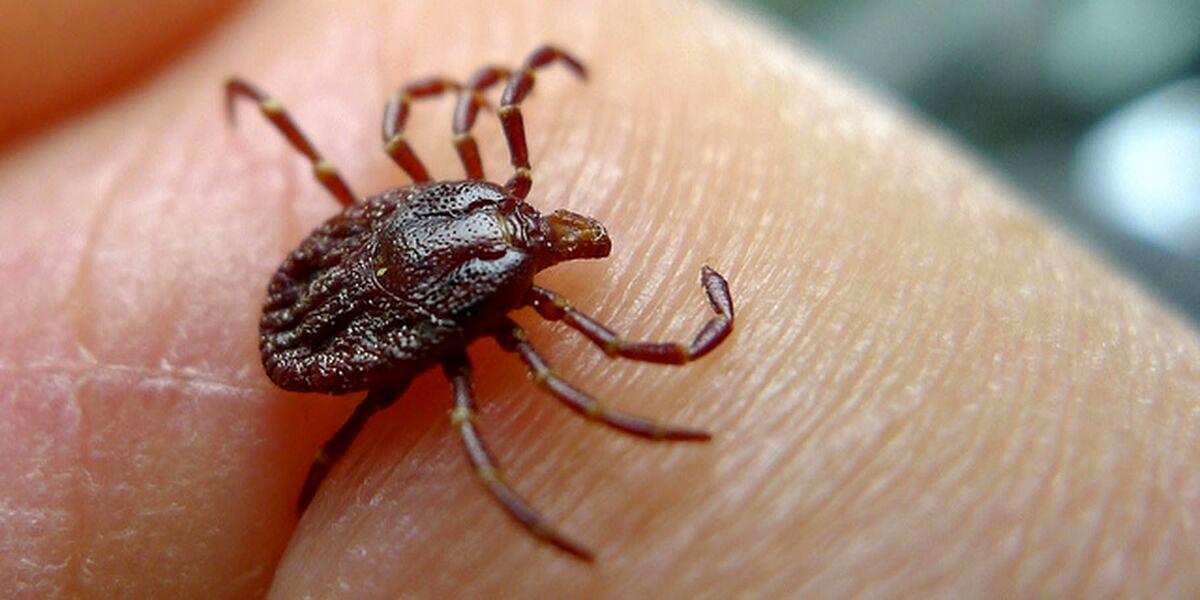
Crimean-Congo hemorrhagic fever (CCHF) is caused by infection with a tick-borne virus (Nairovirus) in the family Bunyaviridae. The disease was first characterized in Crimea in 1944 and given the name Crimean hemorrhagic fever.
The onset of CCHF is sudden, with initial signs and symptoms including headache, high fever, back pain, joint pain, stomach pain, and vomiting. Red eyes, a flushed face, a red throat, and petechiae (red spots) on the palate are common.
Positive cases registered in last 2 months
Dr. Fakhruddin Stanikzai, an official of MoPH, told Pajhwok Afghan News that since the beginning of the solar year 1402, about 91 positive cases of Congo fever had been recorded across the country, with four patients losing their lives.
According to him, these cases have been registered in Kabul, Kandahar, Jawzjan, Herat and Balkh provinces.
He expressed concern over the sudden rise in Congo fever cases at a time when last year 340 positive cases and 12 deaths were reported. In 1400 solar year, 87 cases were recorded with five deaths.
Dr. Stanikzai called the increase in positive cases alarming, saying that MoPH had sent medicines to all provinces and had informed imams of mosques, butchers, students in schools and health personnel about the disease.
With support from World Health Organization (WHO), 40 specialist doctors and 50 nurses in Kabul and provinces have been trained on how to provide health services to Congo patients, he informed.
According to him, in order to raise awareness and prevent the disease, they have printed information sheets including 200,000 brochures and 150,000 posters.
What is Congo fever and what needs to do against it?
Dr. Sayed Farid Shah, an internal medicine specialist at Wazir Mohammad Akbar Khan Hospital in Kabul, said that the disease is transmitted by ticks from animals to humans and causes severe illness and finally causes bleeding in different parts of the body and results in death.
High fever, pain in muscles, bleeding in different parts of the body such as nosebleed, blood in armpits, and other parts of the body, he added.
He said shepherds, farmers, cooks, doctors and butchers were more vulnerable to contracting the disease.
He advised that the disease was contagious and dangerous and the patient should be transferred to health centers as soon as possible and self-medication should be strictly avoided.
According to him, gloves and masks should be used while slaughtering animals and cooking meat, and after that hands should be washed with soap and water.
Meanwhile, Dr Faridullah Omari, internal medicine specialist at Antani (infectious diseases) hospital, said that Congo is an acute, viral and infectious disease that is transmitted from one animal to another trough a tick and an infected animal.
He called the disease dangerous and said if left untreated the risk of death was higher.
According to him, the symptoms of the disease include high fever, severe headache, muscle pain, hair loss, nosebleeds, dizziness, heartburn, diarrhea and increased heart beat rate.
He also spoke about the increase in positive cases of the virus and called it worrisome and added that 35 positive cases were registered in the hospital last month.
He added so far no vaccine had been developed for this disease that could be applied to humans or animals.
He suggested the use of gloves, glasses and aprons while slaughtering animals.
Those slaughtering animal should not have wounds because germs are transferred to the body through sweat.
According to Omari, when animals enter the country, their blood should be checked at borders to make sure they do not have Congo or animals’ bodies should be sprayed with specific medicine.
He advised Congo patients that besides quarantining themselves and receiving treatment in hospital, they should use more fruits and healthy foods containing vitamins and proteins.
hz/sa/ma
GET IN TOUCH
NEWSLETTER
SUGGEST A STORY
PAJHWOK MOBILE APP