Language

Don't you have an account with Pajhwok Afghan News?

Click here to subscribe.

In 7 months, 3 persons die from Congo fever in Baghlan

PUL-I-KHUMRI (Pajhwok): Eight people were diagnosed with Congo fever in northern Baghlan province during the past seven months and three of them died of the disease, an official said on Wednesday.

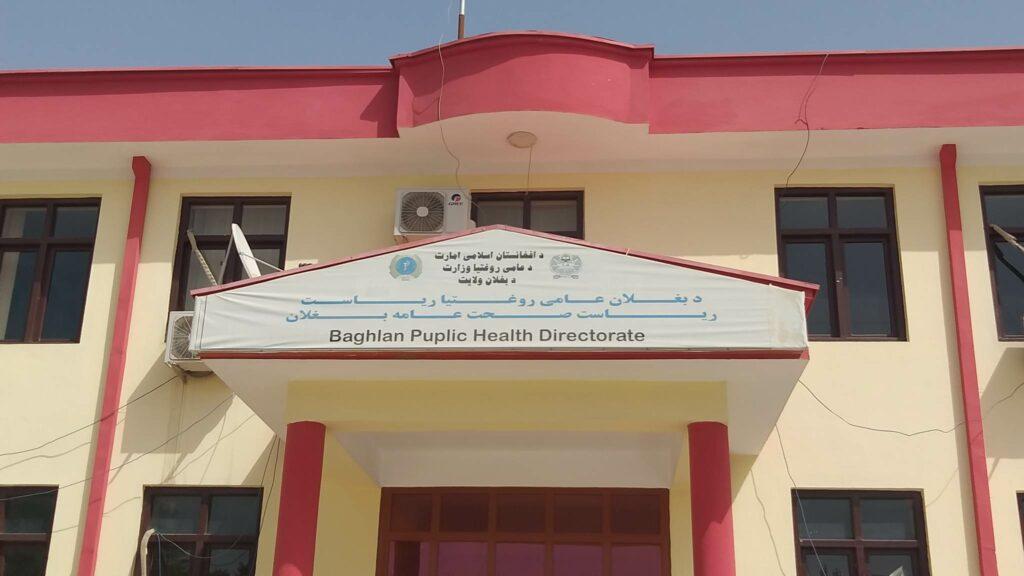
Dr. Sharifullah Ubaidi, an official of the Public Health Department, told Pajhwok Afghan News 30 suspected Congo fever cases were registered since the beginning of the year in the province.

He said out of the 30 cases, eight were diagnosed positive for Congo disease and three of them, including a woman, died.

He added: “These people died because they were brought to the hospital late, they bleed heavily, if they had been brought earlier, they might have not died.”

He said Congo fever cases had decreased in the province this year and urged the people to always protect themselves from the disease by avoiding contact with infected animals.

Mohammad Khan, a resident of the province, told Pajhwok his father died from Congo disease some time ago.

He said: “My father had fever and vomited one night, we thought he had food poisoning. In the morning he vomited again and blood started from his mouth, I took him to a doctor who said the patient had a blood disorder, so they gave him blood and his condition worsened, then I took him to Kabul where he died. The doctors told me your father suffered from Congo disease.”

According to health officials, Congo is an infectious disease that is transmitted from animals to humans through ticks and if it not treated on time, it can lead to death.

According to the Ministry of Public Health (MoPH), about 668 people were diagnosed with Congo fever during the last seven months across the country and 67 of them died.

kk/ma

GET IN TOUCH

SUGGEST A STORY

Pajhwok is interested in your story suggestions. Please tell us your thoughts by clicking here.

PAJHWOK MOBILE APP

Download our mobile application to get the latest updates on your mobile phone. Read more