


KABUL (Pajhwok): The United Nations Human Rights Office has issued a stark warning about the deteriorating situation in Gaza, citing mounting evidence of potential war crimes and crimes against humanity committed by Israeli forces.
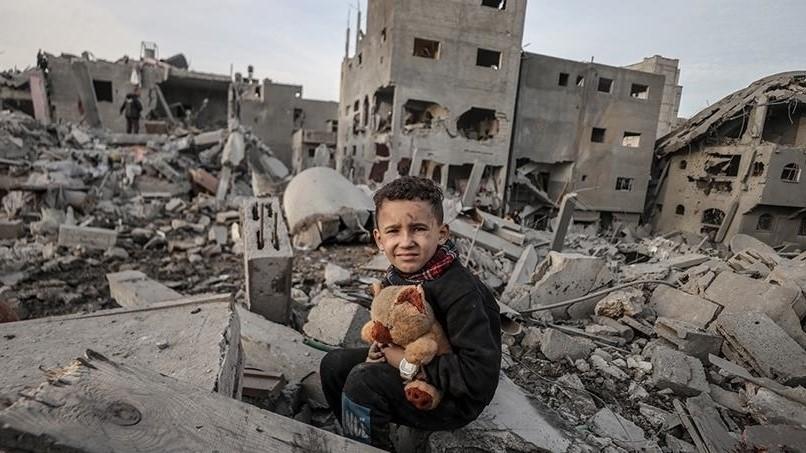
At a press briefing in Geneva, spokesperson Ravina Shamdasani detailed a litany of concerns, from mass civilian displacement and deadly airstrikes to the targeting of journalists and humanitarian blockades.
Shamdasani criticised the widespread issuance of so-called “evacuation orders” by Israeli forces, calling them “displacement orders in effect,” which had forced Palestinians into progressively smaller areas with little access to essentials such as food, water, or shelter.
Despite international law allowing for temporary evacuations under strict conditions, she warned that the scope and intent of these actions suggested a broader plan to permanently depopulate areas of Gaza -- potentially to establish a buffer zone.
Such actions, she said, constitute a grave breach of the Fourth Geneva Convention and might amount to crimes against humanity.
“Israeli military strikes continue across Gaza, leaving nowhere safe,” Shamdasani stated, citing 224 Israeli strikes on residential buildings and displacement camps between March 18 and April 9.
She confirmed that in 36 of these attacks where information was corroborated, all recorded fatalities were women and children. One strike on April 6 killed several members of the Abu Issa family, including a four-year-old boy, four women, and a young girl.
The UN also expressed deep concern over the apparent targeting of Palestinian journalists. Over 209 journalists have been killed in Gaza since October 2023, and access for international media remains blocked.
One unannounced Israeli strike reportedly killed a journalist and a press assistant, and wounded nine others. Though Israel later claimed one of the injured was affiliated with Hamas, questions remain about whether that individual was lawfully targeted.
“These and other attacks raise serious questions about Israeli forces’ compliance with international humanitarian law,” Shamdasani said, referencing violations of the principles of distinction, proportionality, and precaution.
She emphasised that deliberately attacking civilians not participating in hostilities constituted a war crime.
Compounding the crisis is Israel’s ongoing closure of Gaza’s border crossings, now entering its sixth week. The blockade has effectively halted the entry of vital humanitarian aid, including food, clean water, and medicine.
Shamdasani pointed out that Israeli officials had made statements linking the delivery of aid to the release of hostages, raising concerns over the use of starvation as a method of warfare - also considered a war crime under international law.
“In light of the cumulative impact of Israeli forces’ conduct in Gaza,” she said, “the office is seriously concerned that Israel appears to be inflicting on Palestinians conditions of life increasingly incompatible with their continued existence as a group in Gaza.”
Adding to this, she noted internal repression by Hamas of Palestinians protesting their governance, highlighting the overwhelming despair and pressure faced by civilians from both external assaults and internal authoritarianism.
UN High Commissioner for Human Rights Volker Türk reiterated the need for a political solution: “There is no military path out of this crisis.”
The UN continues to call for an immediate and unconditional release of all hostages and arbitrarily detained individuals and presses for a long-term solution rooted in a two-state framework with dignity and rights for all.
As the violence persists and humanitarian conditions worsen, the international community faces growing pressure to act—and to uphold the principles of international law before Gaza’s crisis becomes irreversible.
pr/sa/mud


GET IN TOUCH
NEWSLETTER
SUGGEST A STORY
PAJHWOK MOBILE APP