



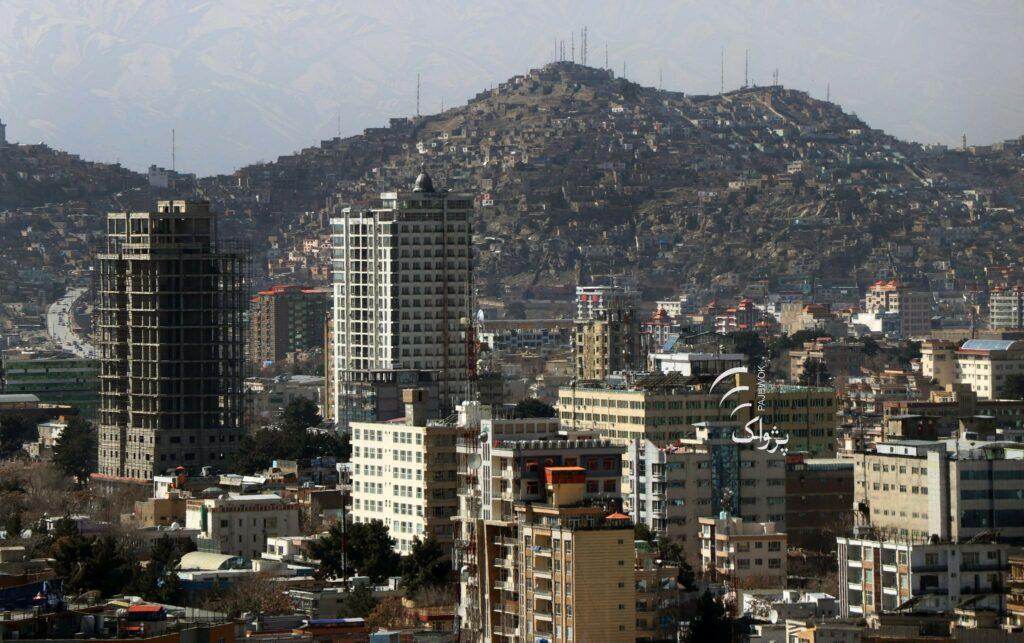

KABUL (Pajhwok): Several residents of Kabul have complained about increasing power outages, saying the situation is disrupting their daily lives and work. Meanwhile, Da Afghanistan Breshna Sherkat (DABS) cited low electricity production and rising demand as the main causes and said practical measures are underway to resolve the problem permanently.
Residents said that power outages are not a new issue but have persisted for years, with previous governments failing to take fundamental steps.
Complaints: 2 to 5 hours of electricity per day
Naqeebullah Khaksar, a resident of Kota-i-Sangi, said: “Electricity comes late at night and goes off early in the morning, making it difficult to even charge our phones. Tasks like washing clothes or ironing are impossible.”
He called for fair distribution of electricity and a permanent solution.
Similarly, Hikmatullah, a grocery shop owner from Khushal Khan, said: “The freezer is off, and meat, chicken, and other items spoil. At home, we often have no water. We get electricity only three hours during the day and three hours at night, and even that is intermittent.”
Mehdi, a resident of Afshar, added: “We experience long outages. Electricity comes during the day, which is manageable, but at night, there is none. People need light at night. Often, power comes at times when it cannot be used—for example, 4–6pm or midnight to 4am, when people are asleep.”
Dr. Shirullah, working in a hair transplant clinic in Kart-i-Parwan, said outages severely affect his work: “We get electricity only two hours a day, but at irregular times. As a result, patient numbers have decreased.”
Mohammadullah, 62, from Qala-i-Fathullah, said: “Electricity comes for an hour at 10pm, then goes off. It returns at 2am while we sleep, and by morning, it’s gone again. We cannot even charge our phones.”
All interviewees demanded a permanent solution.
DABS: Please be patient, serious measures underway
Mohammad Sadiq Haqparast, DABS spokesperson, said the country currently produces about 1,200 megawatts of electricity, while demand is 3,000–4,000 megawatts. Kabul has 350–400 megawatts available, but the city’s actual need is 650–700 megawatts.
He added that the increase in outages is not new and has been caused by rising demand. Previously, the Naghlu and Sarobi dams produced 102 megawatts for Kabul, but this year, due to water shortages, they produce only 20–25 megawatts.
Haqparast highlighted recent efforts to address the problem, including a conference on electricity and energy investment attended by 22 countries. On September 6, the “Attracting Investment & Supporting Afghanistan’s Power Sector” conference was held in Kabul, with domestic and foreign investors, senior Islamic Emirate officials, and regional envoys attending.
Several electricity purchase contracts and investment agreements were signed, including deals for power generation totaling 9,123 MW and a 284 MW electricity generation contract between DABS and domestic and foreign investors. These agreements are expected to significantly reduce the electricity shortage.
He urged residents to remain patient: “We respectfully request your continued patience while this fundamental issue is resolved. We are working seriously to solve the problem.”
Finally, he asked residents to use electricity cautiously, avoid unnecessary consumption, and turn off electrical appliances when not in use.
sa


GET IN TOUCH
NEWSLETTER
SUGGEST A STORY
PAJHWOK MOBILE APP