



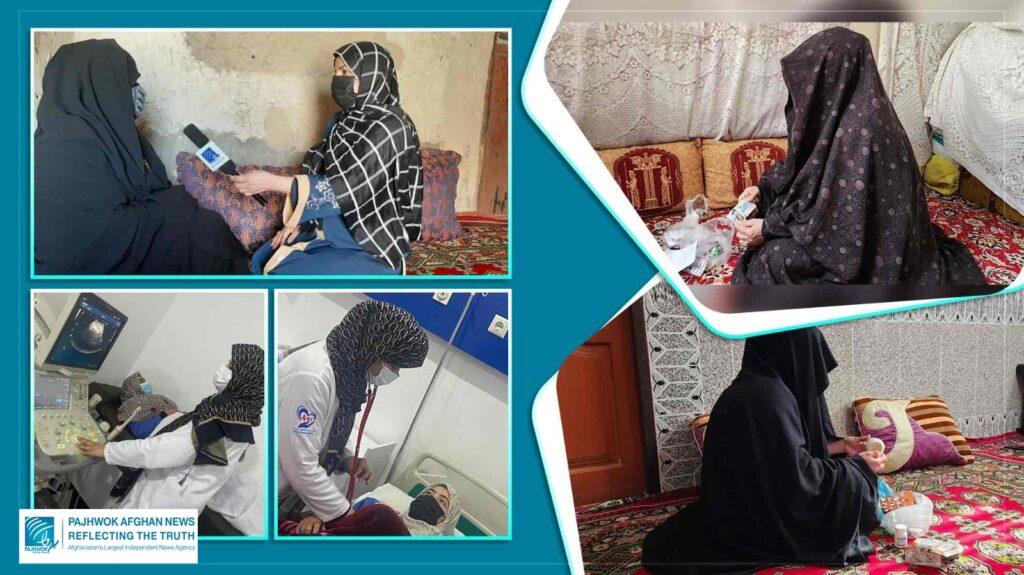

ZARANJ (Pajhwok): Obstetrics and gynaecology specialists say uterine cancer is one of the “silent” diseases among women. Due to limited awareness, insufficient diagnostic facilities, and a shortage of specialists in some remote areas of the country—particularly in northwestern Nimruz—many cases are diagnosed late. Early detection, however, can save lives.
Doctors: Early diagnosis of uterine cancer is treatable
Dr. Jeon Rahmati, an obstetrics and gynaecology specialist in Nimruz, told Pajhwok: “Uterine cancer develops when the cells lining the uterus, called the endometrium, grow excessively and irregularly. This usually occurs when oestrogen levels are high and progesterone levels are low.”
She added that obesity, not having pregnancies, early onset or late cessation of menstruation, and using hormonal medications without medical supervision are key risk factors. Women over 50 are the most affected.
According to Dr. Rahmati, abnormal bleeding during or after menstruation, lower abdominal pain, and unexplained weight loss may indicate the disease. “Many women in remote areas ignore these symptoms or delay consulting a doctor due to fear or shame,” she noted.
Regarding diagnosis, she explained: “Accurate detection requires tests such as ultrasound and endometrial biopsy. However, in many districts and even in cities including Nimruz, such facilities and specialists are not available. Women often have to travel to other cities for testing, which is why most cases are detected at an advanced stage.”
She emphasised that maintaining a healthy weight, daily physical activity, and avoiding self-prescribed hormonal medications can reduce the risk of uterine cancer. Dr. Rahmati also recommends women consult a specialist after permanent cessation of menstruation.
“Many women in rural Afghanistan do not even know what uterine cancer is,” she said. “Most patients I see are already in advanced stages, largely due to low awareness. The shortage of specialists, limited diagnostic tests, and lack of healthcare centres in remote areas further delays diagnosis.”
Dr. Farzana Durani, an obstetrics and gynaecology specialist in Kabul, confirmed Dr. Rahmati’s observations. She said uterine cancer is one of the common cancers among women, occurring when uterine lining cells grow abnormally and uncontrollably.
“Fortunately, if detected early, uterine cancer is treatable,” she said. Diagnosis typically involves ultrasound and endometrial biopsy, with MRI used in some cases for further evaluation.
She concluded: “Women should take any abnormal bleeding seriously, undergo regular check-ups, maintain a healthy weight, and consult a doctor promptly if they notice unusual symptoms. Early detection can save lives.”
Stories from Nimroz women
Samana Mohammadi, 48, a resident of Zaranj, was diagnosed with uterine cancer but recovered after timely treatment. She said: “During my menstrual cycles, I experienced heavy bleeding and severe pain. I had to see a doctor. My disease was not diagnosed in Nimroz or even in Kabul. I went to Pakistan, where it was finally diagnosed and I underwent surgery. Now, thankfully, I am well.”
She expressed concern over the lack of diagnostic facilities in Nimroz and urged public health authorities to prioritise this issue, citing the high cost of treatment abroad.
Similarly, Fereshta, 38, also from Zaranj, complained of severe pain and bleeding and visited the Nimruz provincial hospital. Doctors warned her of a possible uterine tumour. She called on authorities to establish diagnostic and treatment centres in the province, saying: “I cannot afford treatment and I don’t know what to do.”
Officials’ response
Pajhwok reporters in Nimruz were unable to obtain a response from the provincial public health directorate.
On January 29 this year, the National Cancer Diagnosis and Treatment Hospital was inaugurated in Kabul. Mawlawi Abdul Wali Haqqani, Deputy Minister of Health Services, said that in previous years, lack of diagnostic and treatment facilities forced patients to travel abroad at considerable expense.
He added that the Ministry of Public Health aims to expand services in the capital and provinces so Afghans will no longer need to seek treatment overseas.
Cancer cases in Afghanistan
Dr. Sharafat Zaman, spokesperson for the Ministry of Public Health, previously told Pajhwok: “As cancer cases rise globally, Afghanistan has also seen an increase compared to previous years.”
According to the Ministry, nearly 6,000 new cancer cases were registered in the country in a single year.
hz/sa

GET IN TOUCH
NEWSLETTER
SUGGEST A STORY
PAJHWOK MOBILE APP