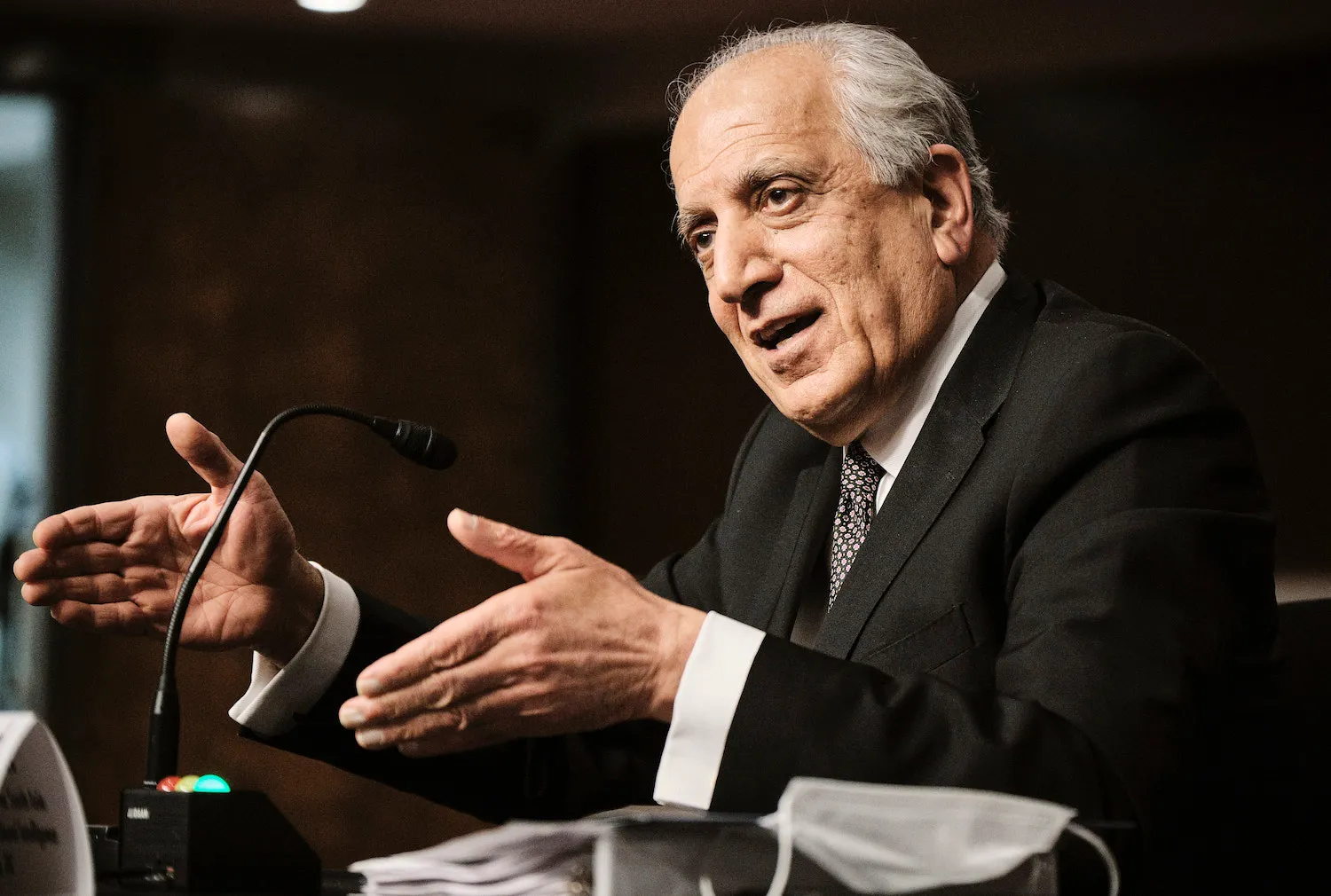
KABUL (Pajhwok): Zalmay Khalilzad, the former US Special Representative for Afghanistan Reconciliation, has called on the Islamic Emirate of Afghanistan (IEA) to respond “realistically and substantively” to a UNICEF report on the consequences of banning girls’ education through 2030.
In a post on his X page, Khalilzad urged the IEA leadership to provide a genuine and substantive response to the report, which indicates a significant decline in the number of female teachers and healthcare workers by 2030.
Referring to the potential consequences of the situation, Khalilzad questioned whether there is sufficient awareness of these impacts and what measures are being considered to address the issue and prevent long-term harm to Afghan society.
Following the re-establishment of the IEA on August 15, 2021, education for girls above the sixth grade was suspended.
Later, on December 20 of the same year, public and private universities were instructed to halt the education of female students until further notice.
However, IEA officials have repeatedly stated that girls will be allowed to return to school once appropriate conditions are established.
In a report published on April 25 this year, UNICEF warned that if the current situation persists, Afghanistan could lose around 20,000 female teachers and more than 5,000 female healthcare workers by 2030.