
GHAZNI CITY (Pajhwok): The Department of Commerce and Industry in southern Ghazni says investor interest in the province has increased significantly, with 60 new licenses issued for factory construction over the past year, while dozens more applications have been submitted.
Mawlawi Hazrat Musa Abu Mansour, head of the department, told Pajhwok that improved security and a more favorable economic environment were the key drivers behind rising investment.
He said the expansion of industrial activity has not only encouraged investors but also created more job opportunities.
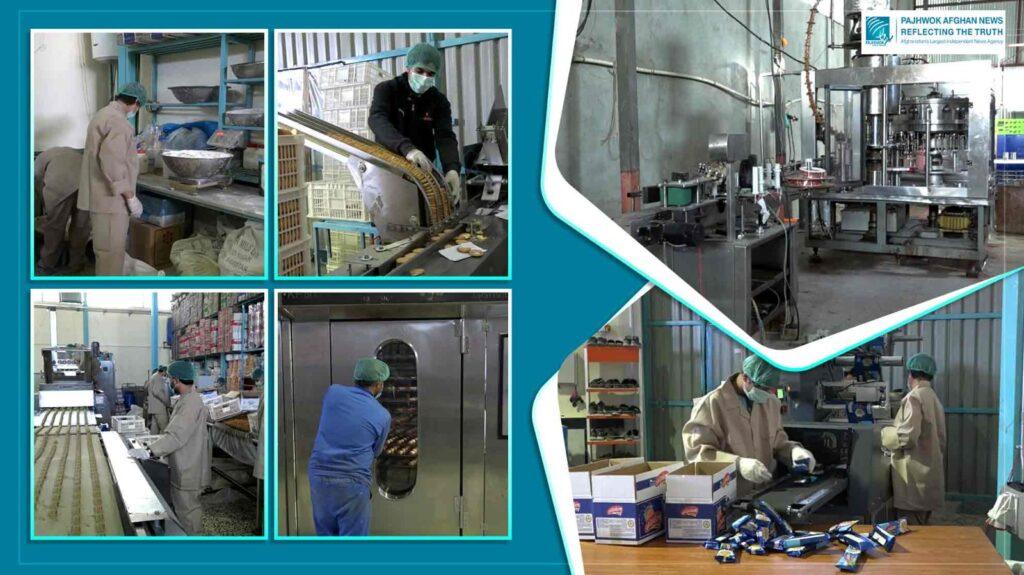
He added that over the past year, licenses were issued for both large and small factories, with around 70 additional applications currently under review. Investors have committed tens of millions of dollars to these projects, generating employment for hundreds of people.
According to him, about 110 factories are currently operating in the province, producing carpets, plastics, cartons, detergents, food products and footwear, as well as operating in service sectors such as saunas and gyms.
He noted that two industrial parks for large and small factories would soon be allocated in Ghazni—one in the Asfanda area of Ghazni city and another in the Moshki area of Qarabagh district. Construction of these parks is nearly 98 percent complete, while work on two additional industrial parks is progressing rapidly.
Local investor Haji Mohammadullah said: “In the past, we could not invest here due to insecurity, but conditions have now improved. We have relocated our businesses from countries such as Dubai and Pakistan back to Afghanistan and now see strong opportunities for growth.”
Another investor, Mohammad Rahim Rasouli, shared a similar view but stressed that further improvements in electricity supply, marketing and industrial facilities would help increase investment even more.
They called on the government to prioritize the expansion of industrial parks, ensure reliable electricity and support market access to accelerate investment.
Meanwhile, residents of Ghazni welcomed the developments, saying new factories have increased job opportunities. A resident, Haroon Arya, said the changes were an important step toward reducing unemployment and improving living conditions, but emphasized the need for continued expansion.
Economic analyst Mohammad Farooq Boya said: “Building factories alone is not enough; the government must provide basic infrastructure such as electricity, roads, banking services and market development.”
He added that with a long-term strategy, Ghazni could emerge as a key industrial hub in the country.
Overall, the rise in investment in Ghazni is seen as a promising sign of economic growth, but experts say sustained progress will require coordinated efforts between the government and the private sector.
sa