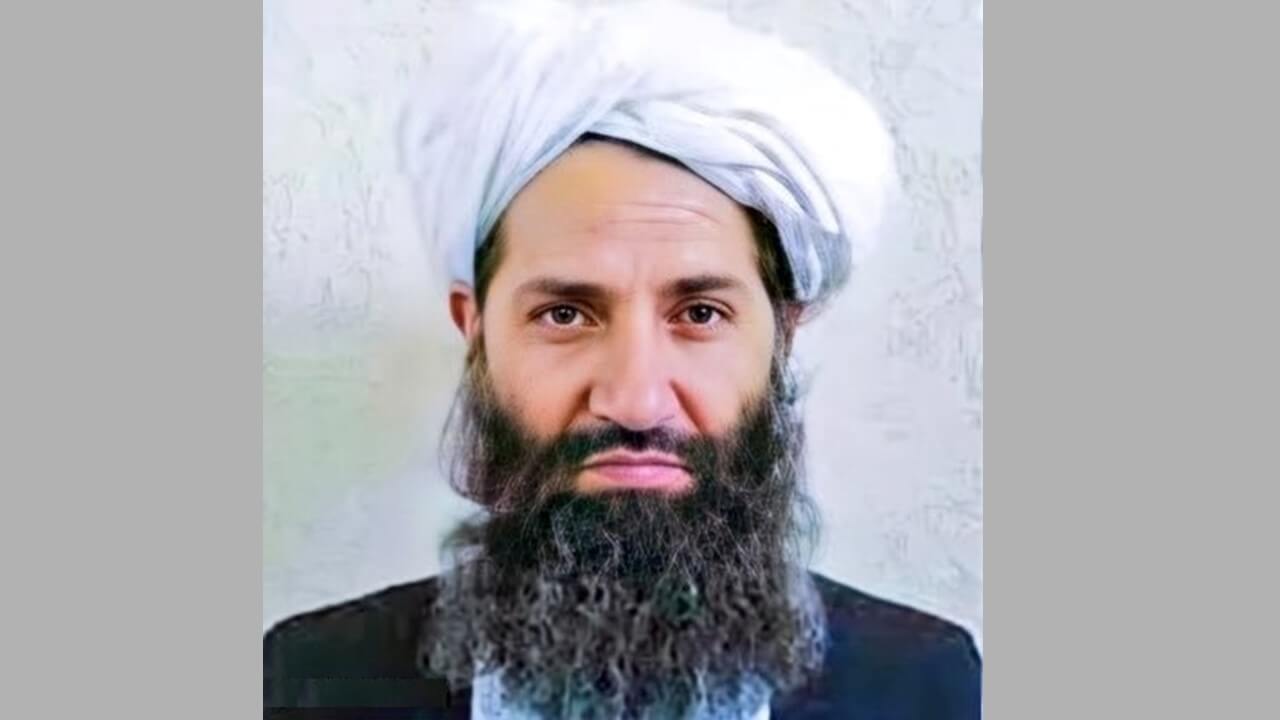
KABUL (Pajhwok): The Supreme Leader of the Islamic Emirate of Afghanistan (IEA), Sheikh Mawlawi Hibatullah Akhundzada, has urged religious scholars to cooperate in preserving jihad-era artefacts and documenting the history of martyred fighters.
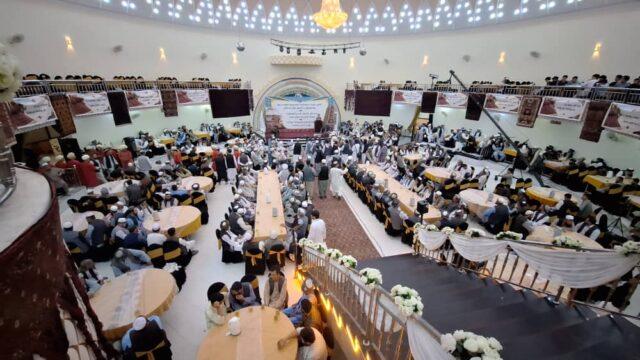
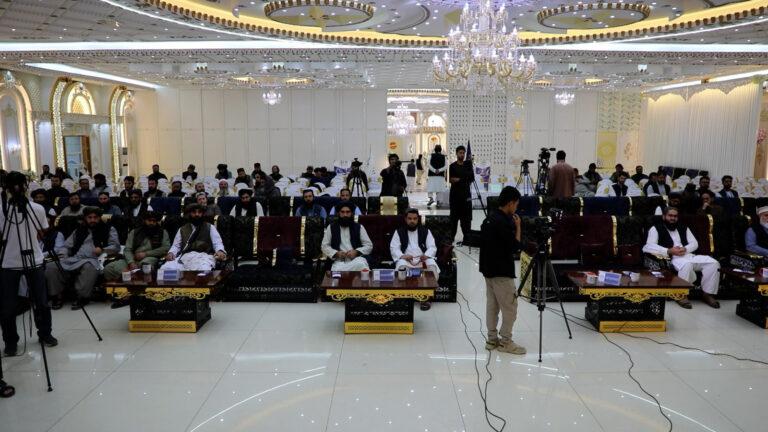
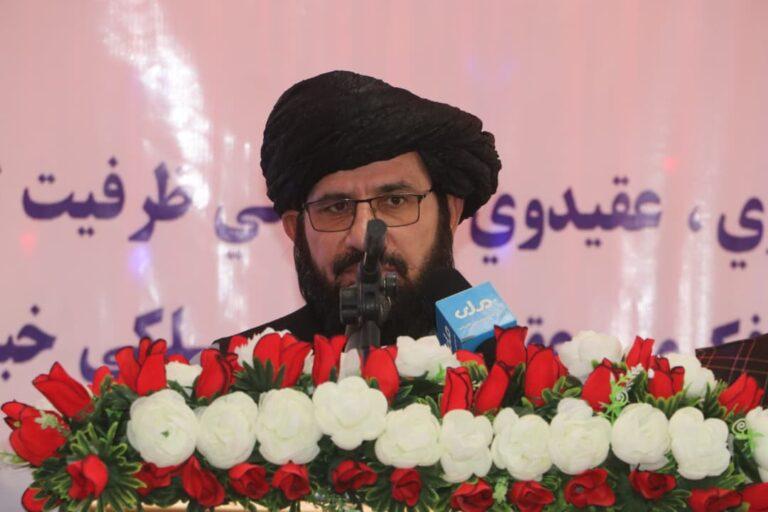
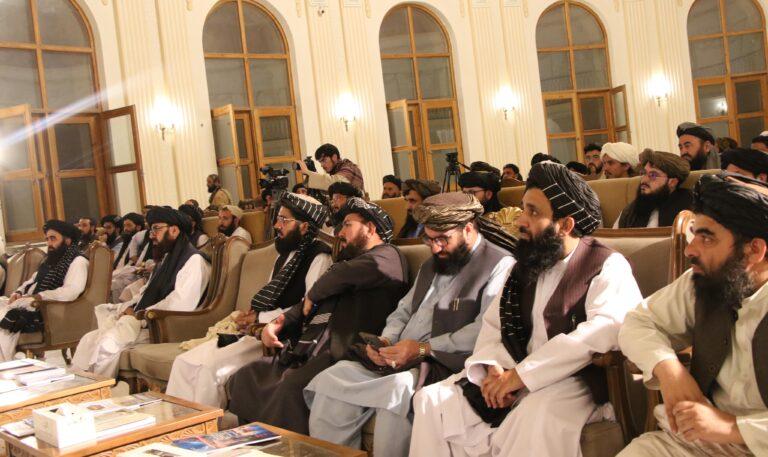
Mullah Hamdullah Fitrat, deputy spokesman for the IEA, wrote on X that the supreme leader met officials of the ulema councils from central Kapisa and Parwan provinces on Saturday in the presence of Foreign Minister Amir Khan Muttaqi.
During the meeting, the IEA leader called on religious scholars to intensify efforts to raise public awareness and improve people’s understanding of religious matters.
He also urged ulema to assist in resolving Sharia-related issues faced by residents in their respective provinces.
Akhundzada stressed the importance of unity among religious scholars, saying their cohesion would help strengthen solidarity within the Muslim community.
He called for the organisation of fiqh gatherings, saying such forums enabled scholars to discuss religious issues, conduct research and enhance mutual understanding and unity among ulema.
According to him, religious scholars throughout history had made sacrifices in defending Islam and Sharia through both “argument and the sword” and had contributed to the spread of religious knowledge by authoring books, treatises and commentaries.
He said implementing Sharia and properly explaining it to the public were among the key responsibilities of ulema.
The IEA leader also asked scholars to explain decrees issued by the Islamic Emirate to the public and raise awareness about their significance and value.
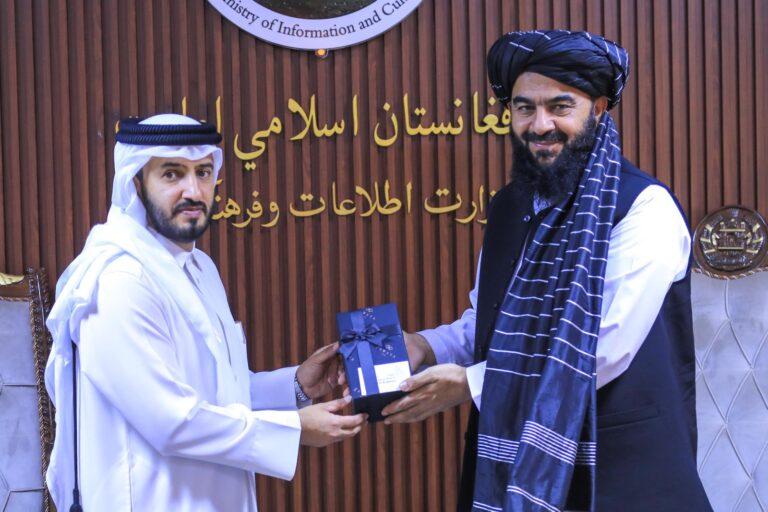
Akhundzada urged scholars to fully cooperate with the Directorate for the Preservation of Jihad-era Artefacts under the Ministry of Information and Culture by helping preserve records related to former fighters and sharing relevant information.
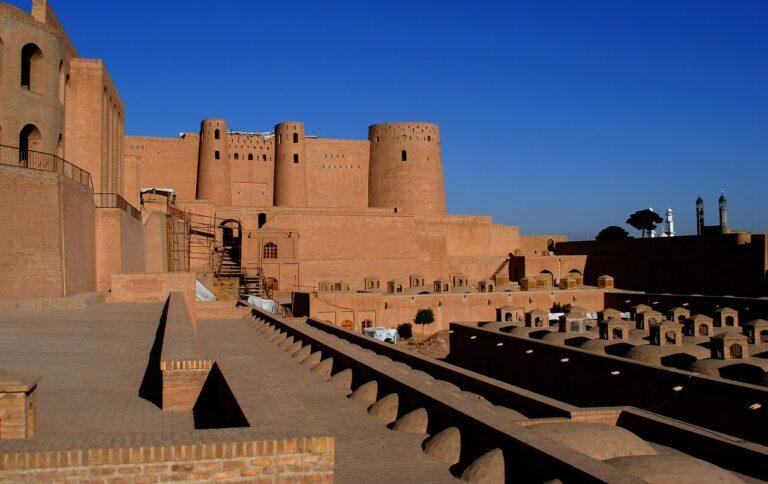
He also called for plaques to be installed at the graves and memorial sites of martyrs, and for books and publications documenting the jihad period and the sacrifices of martyrs to be compiled.
Akhundzada emphasised the importance of properly documenting the history of martyrs and places of martyrdom so future generations could learn about the sacrifices made by former fighters.
He also urged ulema to highlight the virtues of jihad and the sacrifices made by martyrs, people with disabilities and orphans so that the nation’s history would not be forgotten.
kk/sa