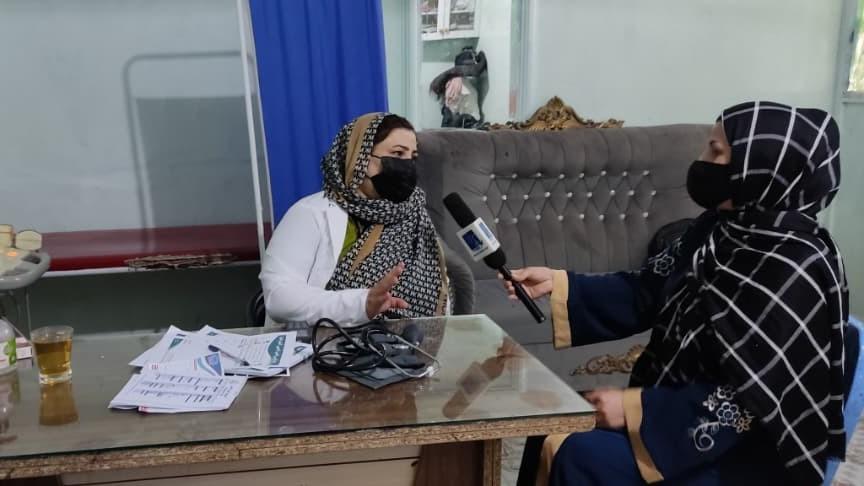
ZARANJ (Pajhwok Afghan News): For more than 15 years, Muina Shirazi has stood beside mothers in the delivery rooms of Nimroz during some of the most challenging moments of their lives. She does not view midwifery as merely a profession, but as a commitment to service, compassion, and saving the lives of mothers and newborns.
Muina Shirazi, a resident of Zaranj city and a mother of five, married 29 years ago. In an interview with Pajhwok Afghan News, she said that at the time, her family and relatives were not supportive of women working outside the home.
However, despite social restrictions, she began working as a vaccinator two years after her marriage.
She says her motivation to enter the midwifery profession came from a life-changing experience 27 years ago, when she gave birth to her child in a hospital in Iran.
She recalls: “Because of the intensity of the pain, I held the midwife’s hand to comfort myself, but she pushed my hand away and said: ‘Let go of my hand, hold the bed.’”
Disappointed by the midwife’s harsh treatment, Muina says: “At that moment, I promised myself that if I ever became a midwife, I would never leave any mother alone during the most difficult moments of childbirth. I would hold her hand, provide comfort, and make her feel safe.”
From vaccinator to midwife
While working as a vaccinator, Muina was encouraged by health officials to pursue midwifery training, but the decision faced opposition from her family.
She says: “Some members of my family told me people would speak badly about us, saying that someone’s wife had become a traditional birth attendant.”
Despite the opposition, Muina managed to gain her family’s support and enrolled in a midwifery training centre.
She successfully completed her education and, despite receiving job offers in larger provinces, chose to remain in Nimroz and serve women who needed healthcare services the most.
15 years of serving mothers
Muina began her professional career in Khash district, an area where, according to her, basic health services were unavailable at the time and many deliveries were conducted by local birth attendants.
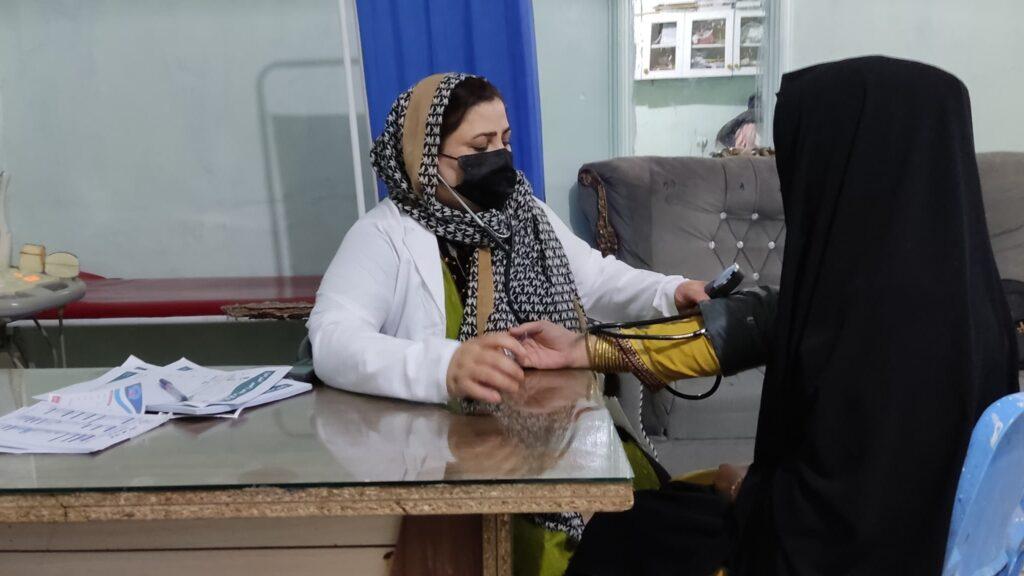
She now works at a clinic in Siah-Chashman village near Khash district and says that during more than 15 years of service, she has assisted thousands of normal and complicated deliveries.
According to her, the most important principles in her work are respect, compassion, and empathy toward mothers.
The white coat: A symbol of commitment
Muina says that every day when she puts on her white coat, she remembers the promise she made years ago.
“When I wear the white coat, I remind myself that God has given me this opportunity to serve mothers. This clothing is sacred to me, and I must preserve its dignity,” she says.
She believes a midwife is not only responsible for managing childbirth but must also provide mothers with emotional support through kindness and understanding.
“I have personally experienced the pain of childbirth. That is why I always try to treat mothers with kindness and give them a sense of security,” she adds.
Saving mothers’ lives: The greatest reward
The early years of Muina’s service were not easy. She says many district health centres lacked ambulances, adequate facilities, and proper roads.
She recalls encountering many mothers suffering from severe bleeding, high blood pressure, and other dangerous pregnancy complications.
“Every time I heard that a mother and her newborn were safe, I felt I had received the greatest reward of my life,” she says.
One of her most difficult memories involves a mother who arrived at a health centre suffering from severe bleeding before delivery.
“I was worried throughout the journey that the mother might lose her life on the way. When I heard the baby’s cry and realised both were safe, I cried with happiness,” she recalls.
Sometimes treatment is not just medicine
Muina believes many women’s health problems cannot be addressed through medicine alone.
She says family awareness plays a vital role in maternal health, and sometimes a simple conversation can prevent serious complications.
According to her, part of a midwife’s responsibility is educating families about pregnancy-related changes and how they can better support mothers.
The mission continues
Today, after more than 15 years of service, Muina Shirazi remains committed to the same promise she made years ago in the delivery room — a promise born from a painful experience that became a lifelong mission to serve mothers.
She says: “During every delivery, I think this mother is my own sister or daughter. That is why I try to hold her hand, comfort her, and create a sense of security. Midwifery is not just a job; it is a human responsibility.”
Many children born with her assistance may not remember her name, but for mothers who felt a caring hand beside them during their most difficult moments, Muina is more than a midwife — she is a woman who transformed pain into purpose and compassion into healing.
Mothers call her a “guardian angel”
Fatima, one of the mothers who has had four deliveries assisted by Muina Shirazi, says she owes her life and the lives of her children to her.
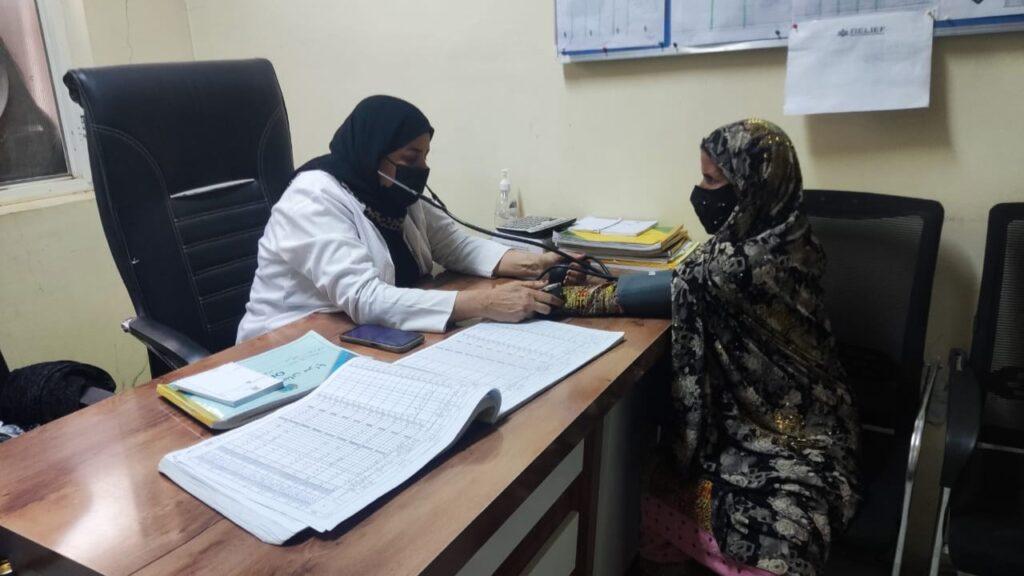
“If my children and I are alive today, it is because of this midwife. I suffer from high blood pressure and faced many difficulties during childbirth, but she always helped us through her dedication, compassion, and skills. She was not just a midwife; she stood beside me like a mother, calming me with kindness and patience. Through her knowledge and experience, I could see that she did her work with love. She never considered day or night; whenever we needed her, she was there. Sometimes I woke her twice in one night and went to her home, yet she examined me with kindness,” Fatima says.
According to Fatima, many pregnant women in her family prefer to have their deliveries assisted by Muina because her compassionate approach reduces the pain and anxiety associated with childbirth.
She adds that whenever labour begins, even if it is outside Muina’s working hours, they call her from home so she can be beside them.
Nargis, another patient, says the reason for the widespread trust women have in Muina is her humane behaviour and strong sense of responsibility.
“For us, she is not just a midwife; she is an angel who has saved the lives of many mothers and children,” she says.
Pajhwok reporter attempted to obtain statistics on the number of midwives working in Nimroz province but was unsuccessful.
hz/sa