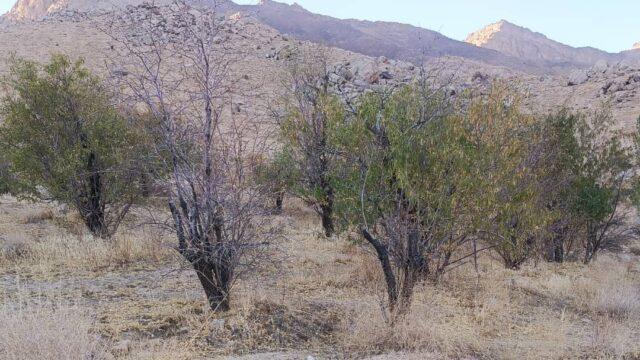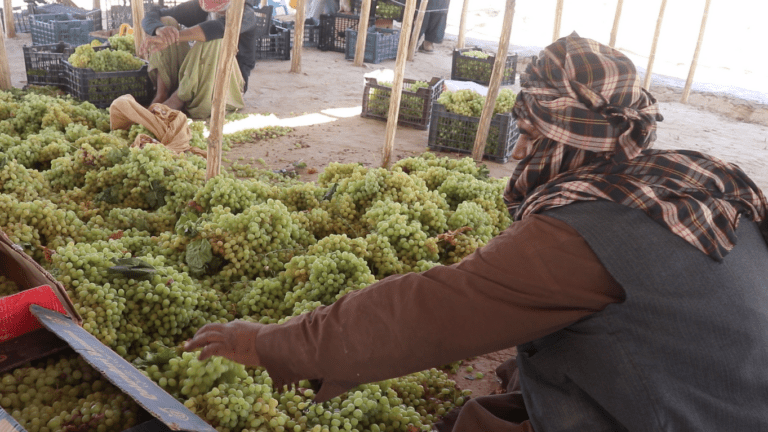
KABUL (Pajhwok): Grape production in southern Kandahar province is estimated at more than 225,000 tonnes this year. However, due to the closure and restrictions on export routes, no grapes have so far been exported from the province to foreign markets. As a result, prices have fallen, leaving growers and traders facing losses.
Trade and export routes between Afghanistan and Pakistan have remained closed for more than 10 months due to recent tensions between the two countries.
Kandahar is one of Afghanistan’s major grape-producing provinces, with tens of thousands of tonnes of grapes exported each year to Pakistan, India and some other countries. However, exports have stopped this year, leaving most of the produce to be sold in domestic markets.
Eng. Abdul Baqi Bina, deputy head of the Kandahar Chamber of Commerce and Investment, said Kandahar’s grapes had not yet been exported to foreign markets due to problems with export routes.
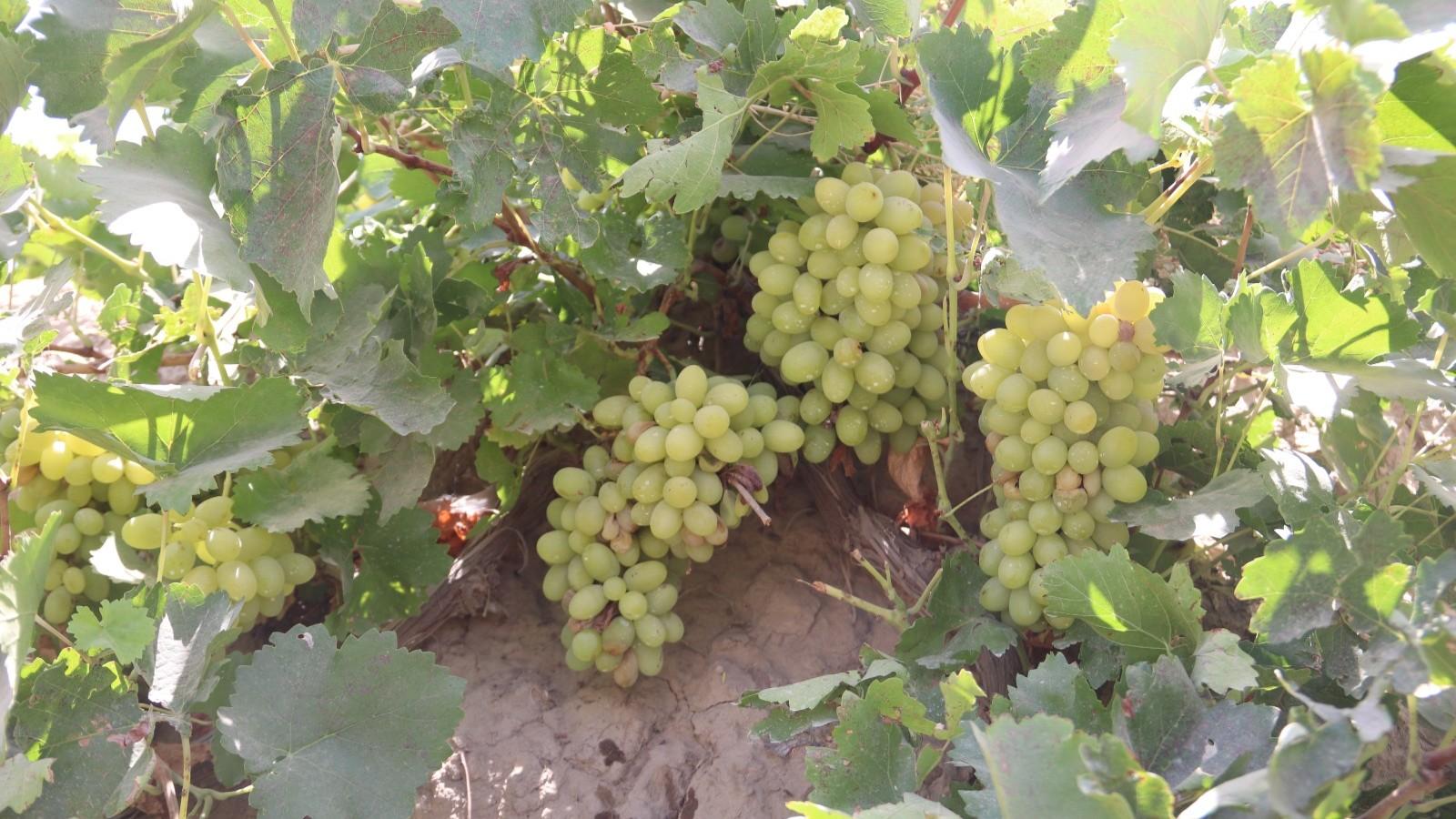
He said grapes are among fruits with a short shelf life and cannot withstand transportation over long distances.
“Grapes were previously exported mainly to Pakistan, but that route is now closed. When suitable and shorter export routes are not available, traders cannot transport the fruit to foreign markets,” he said.
Bina said that although orchards in Daman, Zhari and some other areas of Kandahar were damaged by hail earlier this year, grape production remained good.
He added that people were trying to turn part of the fresh grapes into raisins and export them as dried fruit.
Grape growers also say traders are reluctant to purchase their orchards because exports have stopped, while grape prices have also declined.
Mohammad Hanif, a grower in Kandahar’s Daman district, said he used to sell his orchard for 500,000 to 550,000 afghanis in previous years, but no one was willing to buy it for even 300,000 afghanis this year.
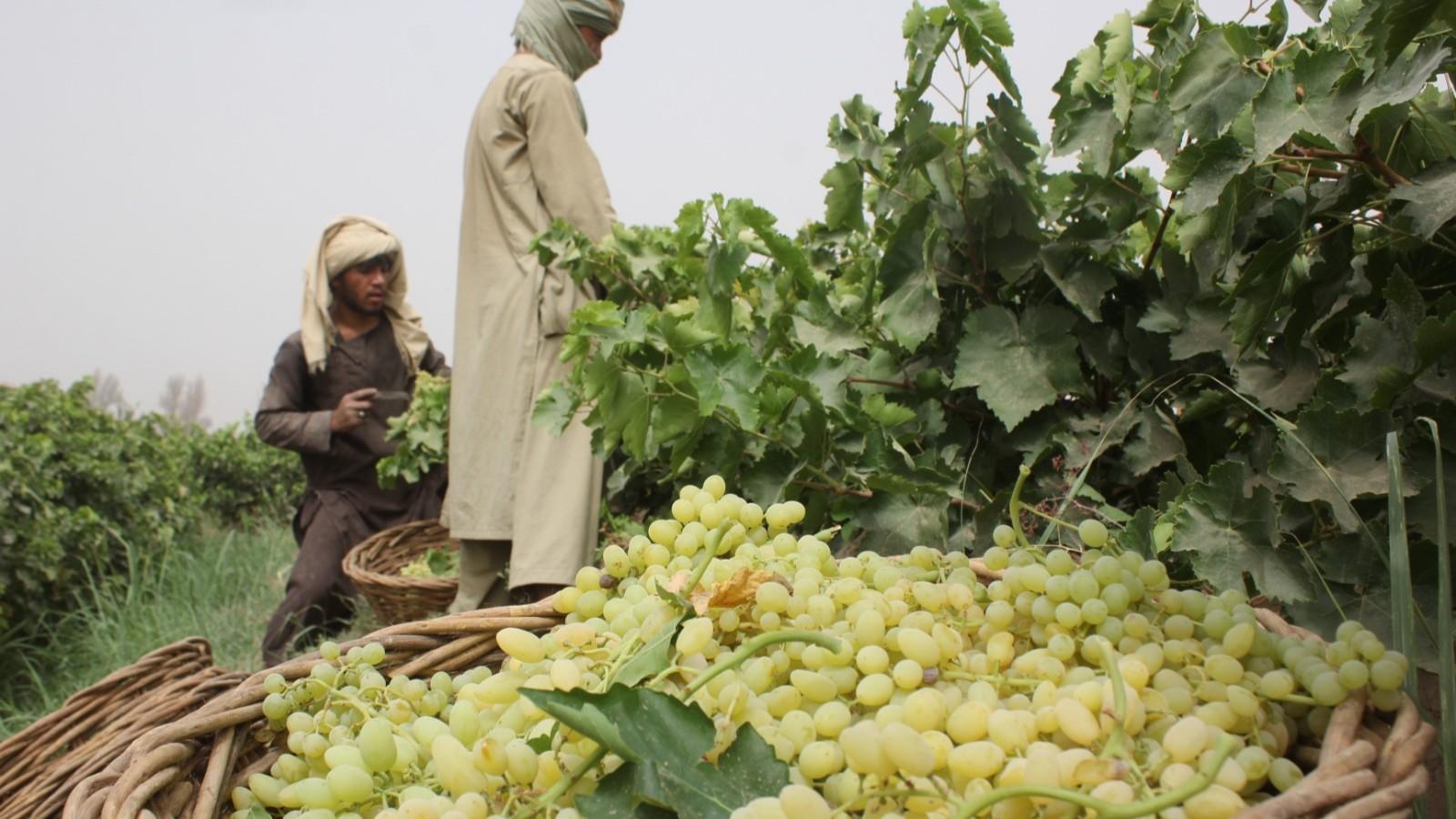
“I am now forced to take the grapes to the market myself and sell them at a low price,” he said.
Mohammad Isa, a grower and grape trader from Zhari district, also expressed concern, saying that if export routes for grapes were not found, other fresh fruits would face a similar situation.
“There are no juice-processing factories or proper fruit-storage facilities here, so the grapes will spoil,” he said.
Mohammad Isa called for the problems affecting fresh-fruit exports to be resolved in the coming years, warning that if the current situation continues, growers could lose interest in maintaining their orchards.
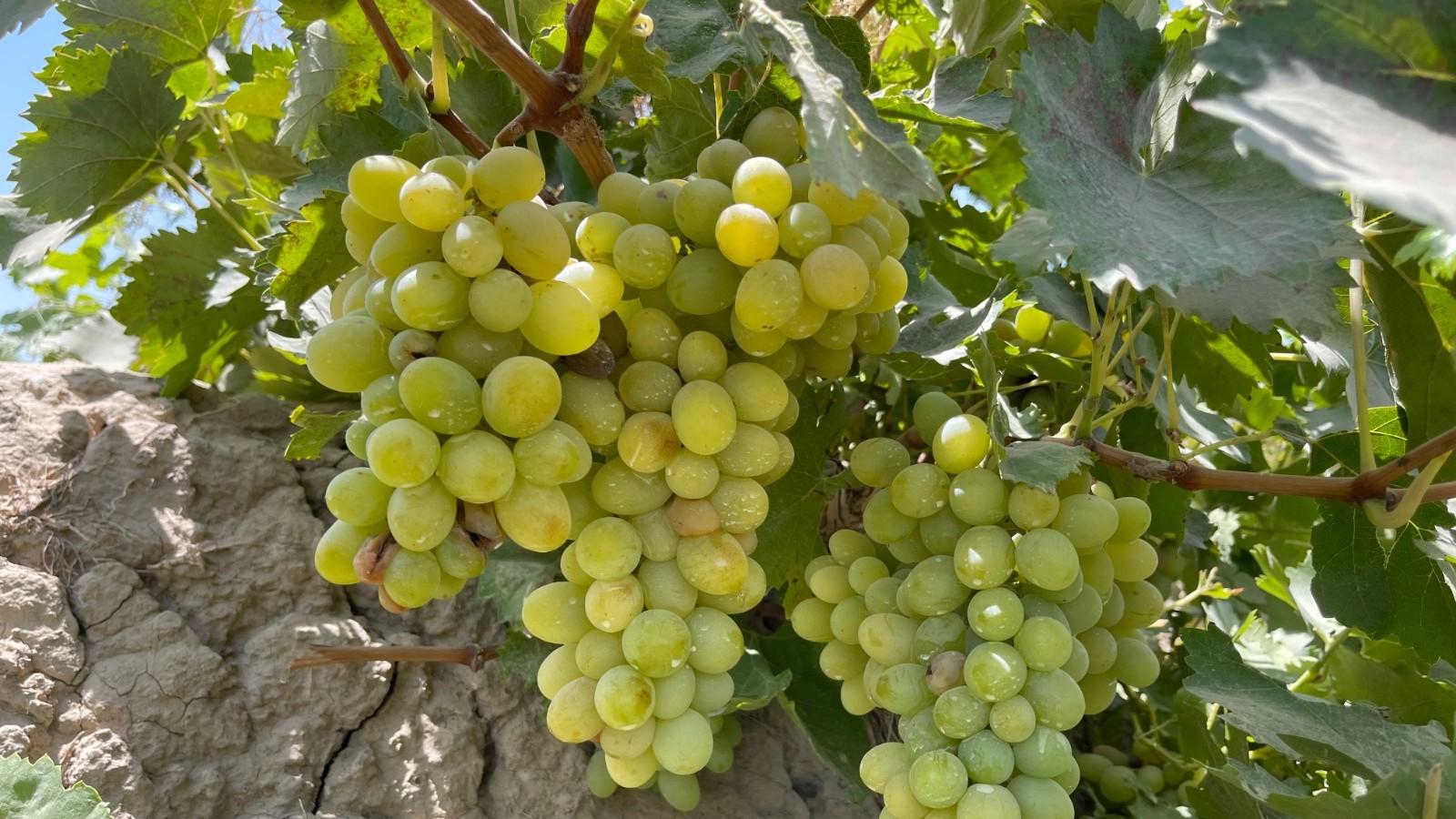
Grape sellers in Kandahar also say that although grape prices have fallen, high transportation costs between orchards and markets leave them with little profit.
Sayed Jan, a grape seller, said transportation costs from orchards to markets were so high that there was little profit left from grape sales.
“We buy 4.5 kilograms of grapes at the orchard for 100 afghanis, but after calculating the costs of picking, loading and transporting them to the market, there is not much profit left for us. Good-quality grapes are currently selling for no more than 25 afghanis per kilogram in the market,” he said.
Meanwhile, economic analysts say the lack of storage and processing facilities for fresh fruits, along with the absence of reliable export routes for Afghan agricultural products, has added to the difficulties faced by growers.
Economic analyst Nazar Mohammad Ayan said limited markets, the lack of suitable export routes and the shortage of processing factories in Afghanistan were among the major challenges facing the country’s agricultural products.
“Unless regular export channels, cold-storage facilities and processing factories are established for fresh fruits, growers will face such problems every harvest season. Relying on only one route for grape exports is also a major economic risk, as we are seeing now,” he said.
He said expanding export capacity through air corridors and regional markets, while strengthening industries producing raisins, juice and other products, could not only protect growers from losses but also increase the value of Afghanistan’s agricultural exports.
Meanwhile, officials at the Kandahar Agriculture Department said grape production had increased by 10 percent this year and was expected to reach 225,500 tonnes from 20,500 hectares of orchards.
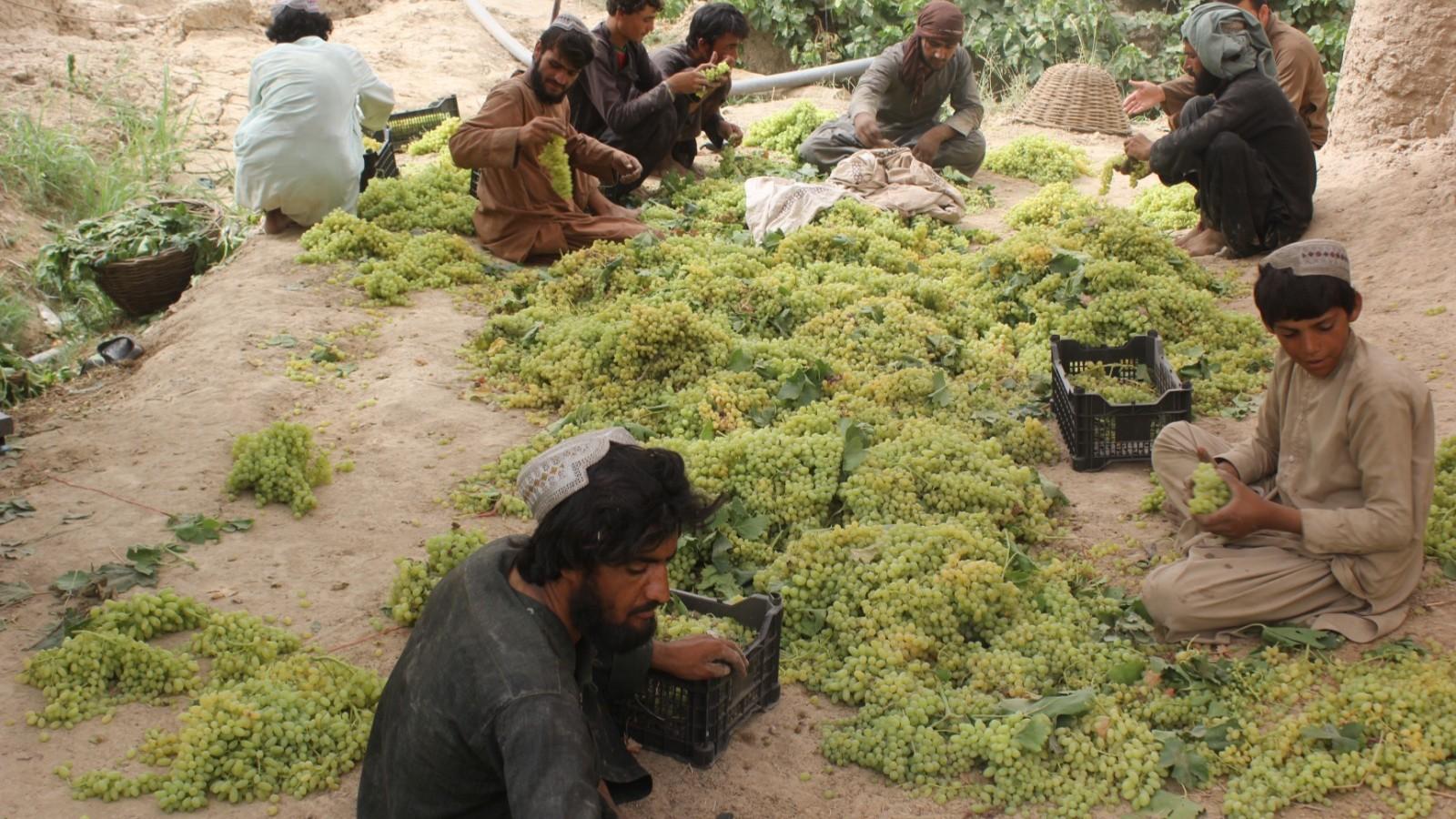
Mohammad Hanif Haqmal, spokesman for the Kandahar Agriculture Department, said: “Last year, our grape production was low and stood at more than 200,000 tonnes, but this year production is estimated at 225,500 tonnes.”
Kandahar is one of Afghanistan’s provinces known for producing various varieties of grapes and accounts for a significant share of the country’s fresh-fruit exports.
However, growers and traders warn that if the current export situation continues, markets for pomegranates and other fresh fruits could face similar difficulties.
sa