KABUL (Pajhwok): Senior Islamic Emirate of Afghanistan (IEA) officials, speaking at ceremonies in Kabul marking Afghanistan’s Independence Day, stressed the importance of safeguarding independence, national unity, security and economic development
They called for broader engagement with the world based on mutual respect and urged opponents to abandon confrontation and efforts to create insecurity in favour of peace and stability.
The First Anglo-Afghan War was fought from 1839 to 1842, while the Second Anglo-Afghan War took place from 1878 to 1880. The Third Anglo-Afghan War began on May 6, 1919, and ended in August the same year, resulting in the restoration of Afghanistan’s independence.
Today, Wednesday (August 19), marks the 107th anniversary of Afghanistan’s restoration of independence from Britain. On this day, King Amanullah Khan declared Afghanistan’s independence.
The day is commemorated every year with special ceremonies.
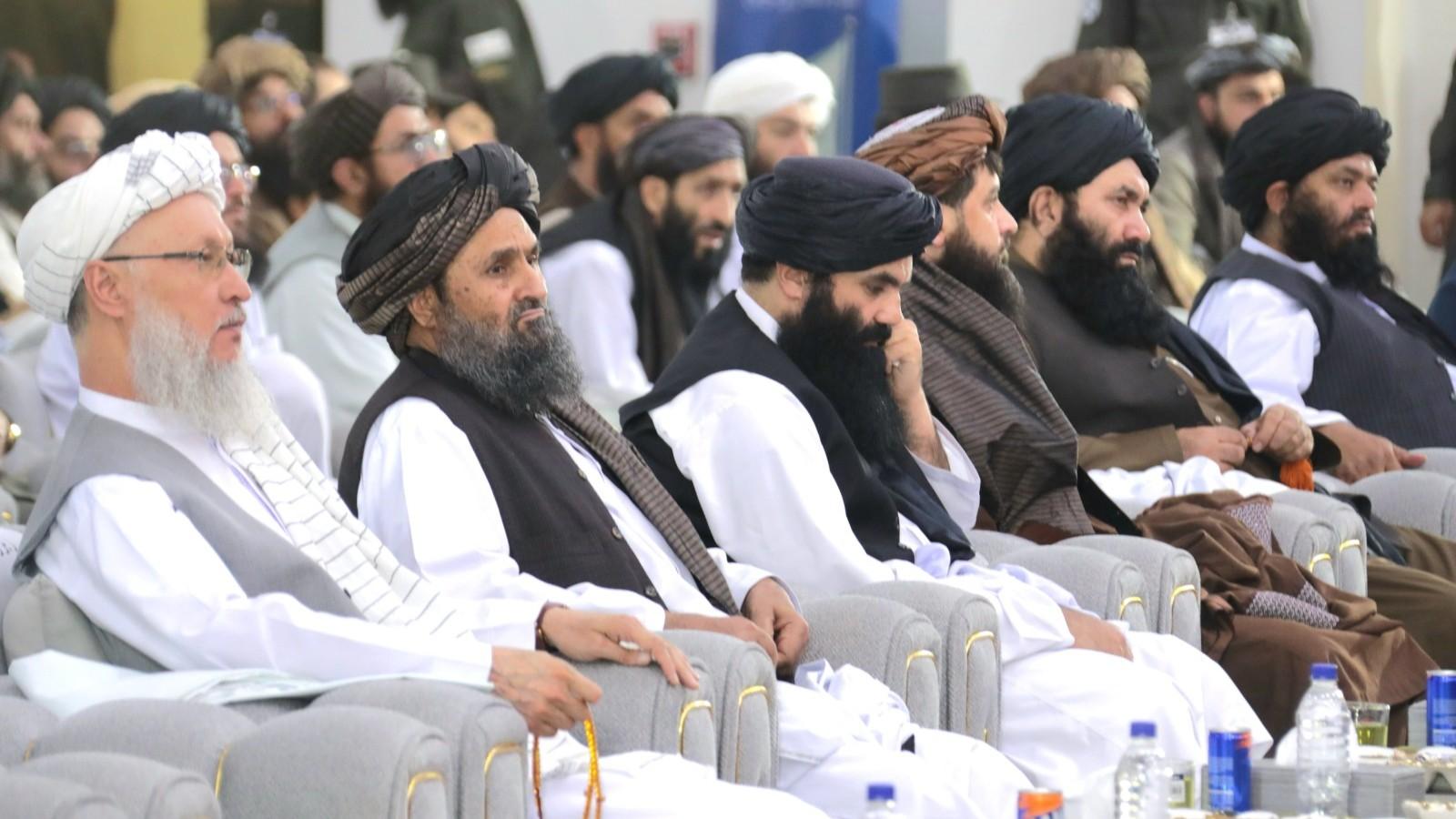
A ceremony marking the occasion was held today at the Ministry of National Defence.
Deputy Prime Minister for Economic Affairs Mullah Abdul Ghani Baradar said at the ceremony that Afghan fighters had limited resources and weapons during their struggle against British colonialism but possessed strong faith and determination.
Addressing international powers with hostile intentions toward Afghanistan, Baradar urged them to learn from the country’s history and, instead of interference and confrontation, pursue comprehensive engagement with Afghanistan based on the principles of interaction.
He said: “This step is not only in our interest; it is also important for the security of the region and the world and for economic agreements.”
Baradar said the IEA was ready for active regional and international engagement and had clearly defined its approach to cooperation, urging the international community to show the courage to establish formal relations.
The deputy prime minister also called on “evil and corrupt elements” to abandon their “failed actions” and allow Afghans to live in peace and prosperity.
Deputy Prime Minister for Administrative Affairs Mawlawi Abdul Salam Hanafi said the IEA had strong security and defence forces as well as organized intelligence services operating across Afghanistan.
He said the forces had received systematic training and were ready to defend the country under any circumstances.
“As you know, every powerful country has tried, or sought, to bring Afghanistan’s political independence under its control. The British came, then the Russians, and later the Americans, but the nation made sacrifices and regained its independence,” Hanafi said.
He urged Afghans to maintain unity and solidarity, saying foreign intelligence networks were attempting to influence people through religious, cultural and economic means and that Afghans should remain vigilant.
Interior Minister Khalifa Sirajuddin Haqqani also addressed the ceremony, saying independence would have its true meaning only when comprehensive security, economic growth, social justice and lasting stability existed.
“Alhamdulillah, good work has now been done in all these areas,” he said.
He urged Afghans to preserve their independence, freedom, national unity and the historical achievements of previous generations and pass on the spirit of safeguarding them to future generations.
According to Haqqani, Independence Day carries the message that the value and importance of the independence of the Islamic system should be preserved and memories of past achievements kept alive.
He said the concept of freedom was deep and broad and that Afghans had a historical experience of defeating three empires.
“We have demonstrated our ability to achieve independence, but the independence gained through thousands of sacrifices was not preserved, and history has proven this. This time, we must change the course of history in which we failed to preserve our independence by safeguarding it,” Haqqani said.
He added that Afghanistan wanted relations with all countries based on economic and political cooperation.
Haqqani said security was the most important issue for a nation and that good governance was one that maintained strong relations with the people and ensured security effectively.
“The legitimate demands of the people must be accepted, and we should not impose only our own preferences on them,” he said.
He also addressed opponents living abroad, saying: “My advice to those who oppose us and live outside the country is: do not destroy your own lives or the lives of the people. Afghanistan is the common home of all its people, and everyone should consider themselves part of the system.”
Foreign Minister Mawlawi Amir Khan Muttaqi also addressed the ceremony, explaining the historical process through which Afghanistan regained independence.
He said that in 1879, the then Afghan ruler signed an agreement with the British in Nangarhar under which Afghanistan’s foreign policy was placed in British hands, but in 1919 Afghanistan declared its foreign policy independent.
He said independence did not simply mean controlling territory, but also required independence in political, economic and other affairs.
“From 1879 to 1919, the monarchy belonged to Afghans, but our foreign policy was in the hands of the British. We cannot call that independence. True independence means that your foreign policy is also in your own hands,” Muttaqi said.
He added that some sides were trying to create security problems in countries across the region, warning that insecurity in one country could affect regional security.
Muttaqi said wise people learned lessons from such developments and that regional countries had now understood that no one should be allowed to pursue foreign objectives in the region.
He referred to remarks made by an opponent the previous day, saying the person had claimed that “there is noise and unrest in Badakhshan” and that it would create problems across Afghanistan.
“They should never think that they will achieve their sinister objectives,” he said.
He said a successful security force was characterized by its ability to neutralize enemy movements at an early stage.
Muttaqi said Afghanistan was the common home of all Afghans and that those who did not have good intentions toward the country were not wanted by Afghans.
He said Afghans did not accept orders from anyone and that the more pressure was placed on them, the more they resisted and progressed, which, he said, Afghans were witnessing in the economic and military sectors.
Defence Minister Mawlawi Mohammad Yaqoob Mujahid also addressed all sides and countries, near and far, saying: “Do not expect slavery from Afghans. We will not move forward in political, economic or military affairs according to your orders.”
He said: “We have neither attacked anyone nor interfered in anyone’s internal affairs. This is neither the policy of the Islamic Emirate nor does it want to pursue such a policy. However, we consider protecting our religion, beliefs, country and political interests our right.”
The defence minister urged countries to engage with the Islamic Emirate in all areas and begin talks and negotiations.
He said: “The system now ruling Afghanistan is the one for whose establishment Afghans fought the occupiers for several periods.”
Mujahid said Afghanistan’s politics, economy and security and defence forces were now not subordinate to anyone and that solid and rapid progress was being made in all these areas.
Chief of Staff of the Armed Forces Qari Mohammad Fasihuddin Fitrat also addressed the ceremony, saying those who had left the country at the direction of foreign powers and were now plotting against the Islamic system from abroad should understand that they could not challenge the Islamic Emirate.
“Be wise and vigilant. Instead of plotting against the Islamic system, come and live alongside your people with independence and dignity,” he said.
The army chief stressed that the Islamic Emirate’s doors remained open to them and that it was ready to forgive them, but warned that if they made any mistake, the response from Islamic Emirate forces would be decisive.
sa