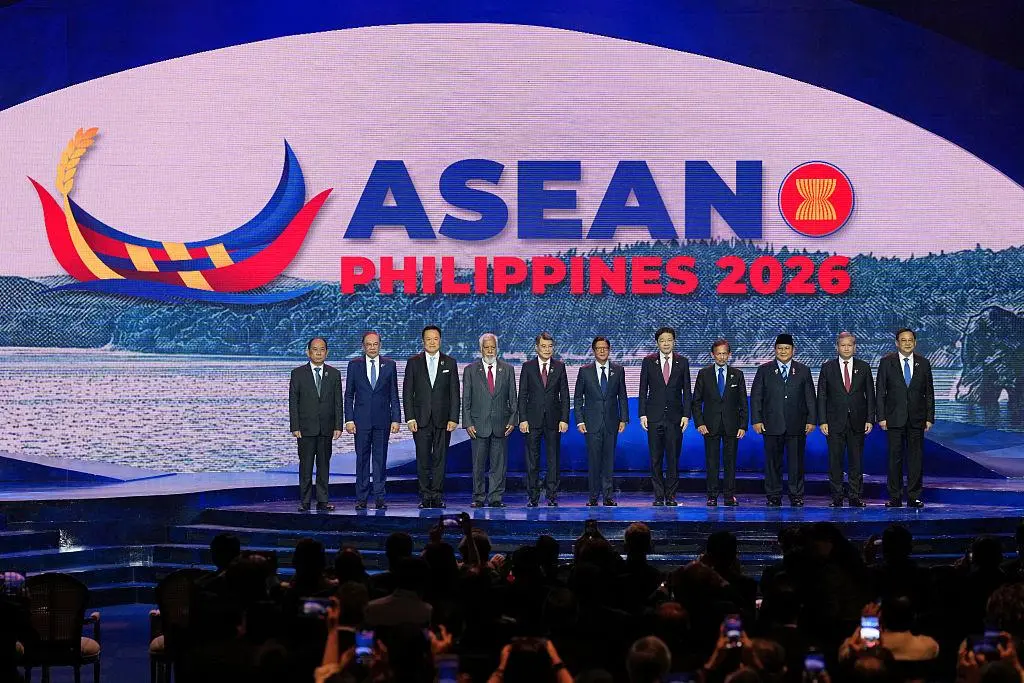
KABUL (Pajhwok): Leaders of the Association of Southeast Asian Nations (ASEAN) are set to meet in the Philippines from Sunday to Tuesday to discuss economic and trade issues, particularly the impact of US tariffs and ways to strengthen regional cooperation.
According to Al Jazeera, the 49th ASEAN Summit will be held in Manila, the Philippine capital, from November 15 to 17.
The summit comes as US President Donald Trump embarks on a trip to the Asia-Pacific region, bringing his trade policies and their impact on regional economic relations into focus.
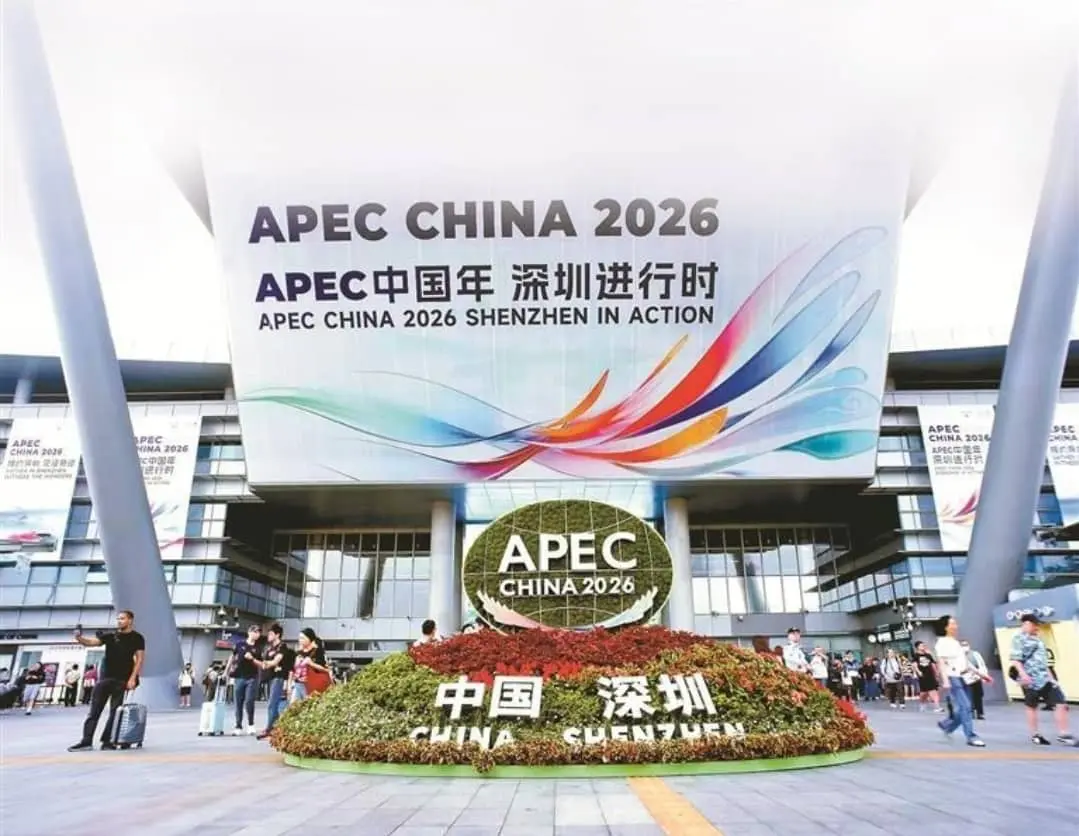
Trump is scheduled to meet Philippine President Ferdinand Marcos Jr. during a brief stop in Manila on Tuesday before travelling to Shenzhen, China, for the Asia-Pacific Economic Cooperation (APEC) summit.
He is expected to meet Chinese President Xi Jinping in China. The White House has also confirmed that Trump, Xi and Russian President Vladimir Putin will hold trilateral talks for the first time.
Trump’s visit to Southeast Asia comes after his administration announced new tariffs in July on dozens of trading partners, including most economies in the region.
The administration announced tariffs ranging from 10 to 12.5 per cent after the US Supreme Court struck down Trump’s higher reciprocal tariffs in February.
The Office of the US Trade Representative said the tariffs would apply to 60 trading partners over their alleged failure to curb forced labour.
The Trump administration is also conducting trade investigations into alleged national security concerns and excess manufacturing capacity, which could result in further tariffs on Southeast Asian trading partners.
Southeast Asia has so far weathered Trump’s trade measures relatively well, partly due to the diversion of billions of dollars’ worth of Chinese trade through the region.
According to the Office of the US Trade Representative, US imports from ASEAN increased by more than 29 per cent to $453.6 billion in 2025, widening the US trade deficit with the bloc to $327.4 billion.
However, Deborah Elms, head of trade policy at the Hinrich Foundation in Singapore, said Southeast Asian countries could not be certain that the trend would continue.
She told Al Jazeera that ASEAN’s exports had increased, but the growth was mainly driven by electronic products, most of which were exempt from tariffs.
She said these shipments were also closely linked to the expansion of artificial intelligence technology, warning that any slowdown in this sector could affect ASEAN economies.
Although ASEAN leaders have disclosed few details about the summit agenda, trade is expected to be among the main topics of discussion.
One of the most anticipated outcomes is the signing of the ASEAN Digital Economy Framework Agreement, which aims to facilitate cross-border data transfers and electronic payments among member states.
Initiated in 2023, the framework is intended to help build a $2 trillion digital economy across ASEAN by 2030.
sa