
KABUL (Pajhwok): Around 71 percent of people with diabetes in Afghanistan are unaware of their condition, the Ministry of Public Health (MoPH) said on Monday, calling for greater public awareness and expanded health services for early diagnosis, prevention and control of the disease.
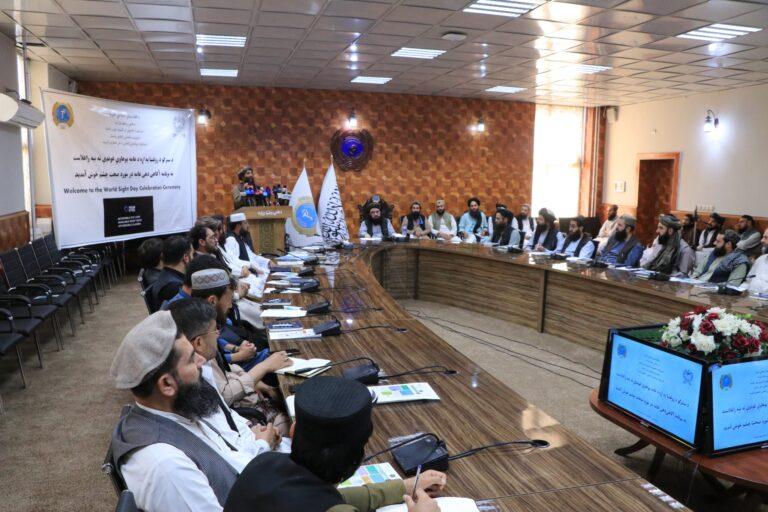
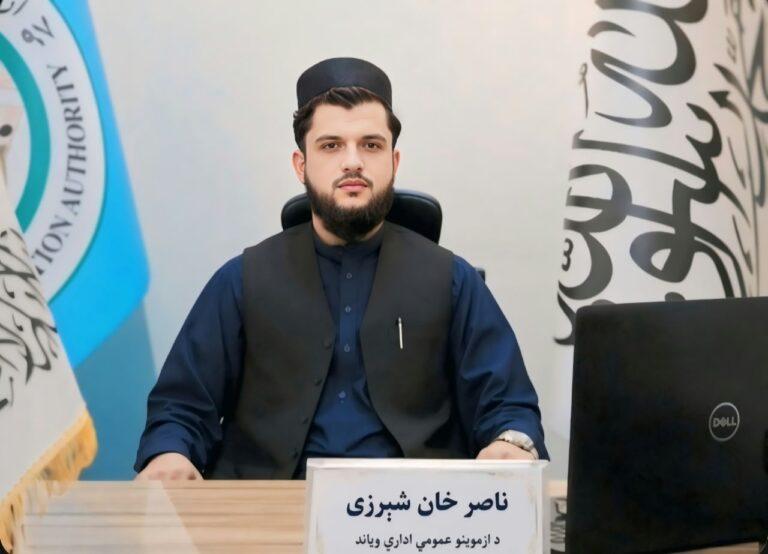
Speaking at a diabetes awareness meeting, Deputy Minister for Health Service Delivery Mawlawi Abdul Wali Haqqani said around 580 million people worldwide were living with diabetes, according to the International Diabetes Federation.
He said an estimated 1.9 million people in Afghanistan had diabetes, with 71 percent unaware of their condition.
Haqqani stressed that early diagnosis was essential to preventing complications, adding that tackling non-communicable diseases was a ministry priority.
He called for collective efforts to prevent and control diabetes through healthy diets, reduced consumption of unhealthy fats, regular physical activity, obesity prevention and avoidance of drug use.
He said the ministry was committed to providing standard primary, specialised and tertiary healthcare services for non-communicable diseases.
Meanwhile, Dr Ahmad Sir Pasoon, the ministry’s director-general for disease prevention and control, described diabetes as not only a health concern but also a major social challenge.
He advised people to avoid sugary drinks and foods, while calling for expanded prevention and public awareness programmes.
Pasoon said preventing diabetes was not solely the responsibility of the health ministry, adding that families, communities, religious scholars, teachers and other members of society also had a role to play.
He identified regular physical activity, maintaining a healthy weight and avoiding tobacco as important measures for preventing and controlling the disease. He also urged people at risk to undergo regular health check-ups.
Separately, Naeemullah Safi, a representative of the World Health Organisation (WHO), said around 2.4 million people worldwide had died from heart diseases and diabetes-related conditions in 2023.
He described diabetes as a risk factor for other diseases, warning that delayed diagnosis and treatment could lead to serious complications.
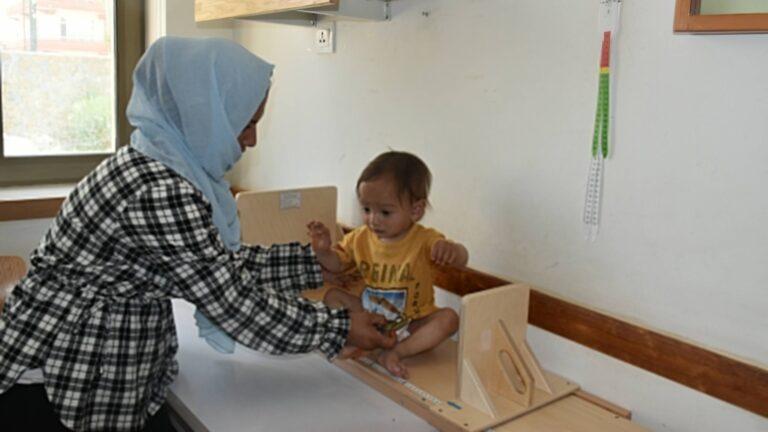
Safi said many people in Afghanistan had not undergone blood sugar tests and were unaware they had diabetes.
He called for greater cooperation between government institutions and international organisations to improve early diagnosis, prevention and control of the disease.
He said early diagnosis helped protect people’s health and reduce costs for patients and the healthcare system.
The WHO representative pledged continued technical support to the Ministry of Public Health and other health partners in providing services to prevent and control diabetes and other non-communicable diseases.
According to information issued by the ministry, diabetes is a chronic disease that develops when the body cannot produce insulin or use it effectively, resulting in high blood sugar levels.
The ministry identifies three main types of diabetes: type 1, type 2 and gestational diabetes. Its warning signs include frequent urination, excessive thirst, unexplained weight loss, fatigue, blurred vision and slow-healing wounds.
Uncontrolled diabetes can lead to heart disease, stroke, kidney failure, blindness, nerve damage and foot infections, potentially increasing the risk of amputation.
The ministry recommends eating a healthy diet rich in fresh vegetables and whole grains, avoiding sugary drinks and processed foods, and engaging in at least 30 minutes of physical activity daily.
It also advises regular blood sugar checks, medical consultations and taking medication or insulin as prescribed. The disease can be managed through early diagnosis, medical care and lifestyle changes.
kk/sa