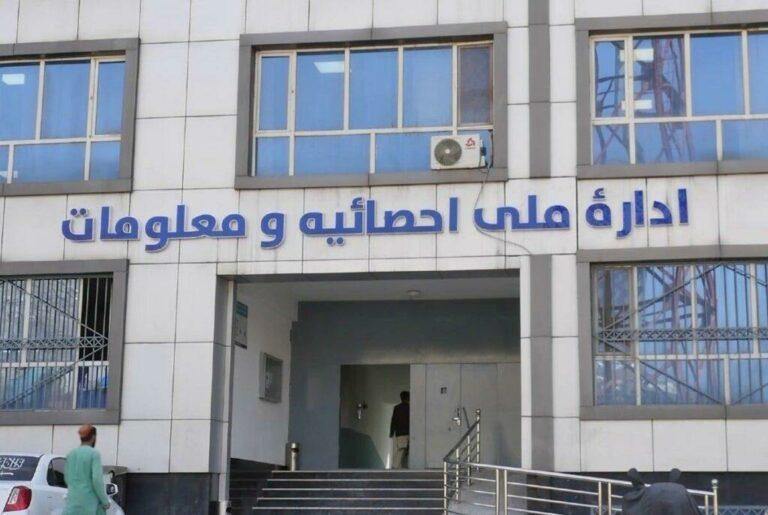
KABUL (Pajhwok): The National Environmental Protection Agency (NEPA) says the COP conference made a commitment to provide $300 billion annually to climate change-vulnerable countries by the year 2035.
The United Nations Climate Change Conference (COP-29) was held from November 11th to 22nd, 2024, in Baku, the capital of Azerbaijan. Many global leaders, environmental ministers, and specialists participated in the conference.
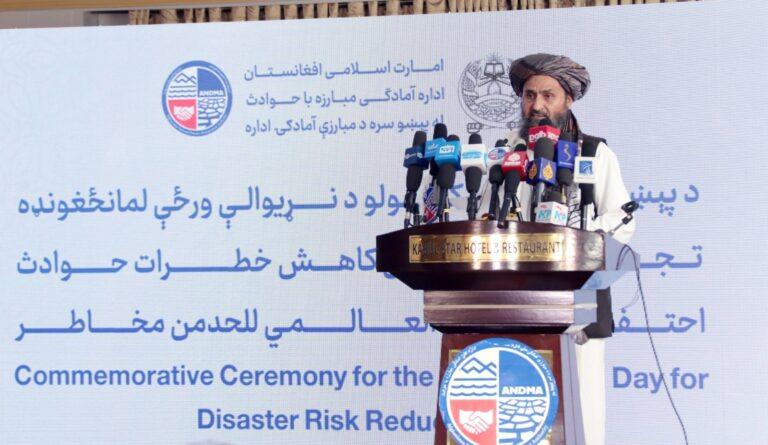
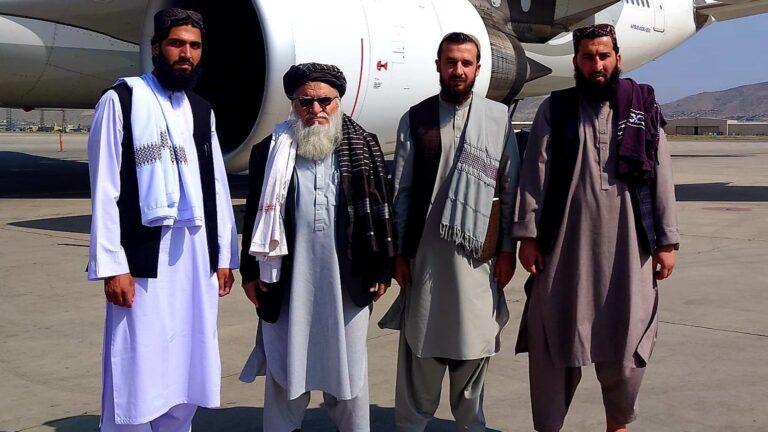
Maulvi Matiulhaq Khlasi, head of Afghanistan's National Environmental Protection Agency, led a technical delegation to attend the conference.
Khlasi shared details of the conference in Kabul today, stating that wealthy and developed nations pledged to provide $300 billion annually to climate-vulnerable countries to manage the negative impacts of climate change by 2035.
He added that Afghanistan also renewed its participation document on climate change and will soon formally submit it to the United Nations Framework Convention on Climate Change Secretariat.
He further stated that Afghanistan required $20.6 billion to reduce and implement its financial needs in this regard by 2030.
Khlasi explained that after the return of the Islamic Emirate of Afghanistan, 32 environmental and climate change projects worth over $800 million were delayed, and they called for the revival of these projects at the conference.
The acting head of NEPA also said that Afghanistan contributed only 0.08% to global greenhouse gas emissions, which is relatively small compared to other countries.
He emphasized that climate change was a global issue, and the international community must take joint action with Afghanistan, viewing this issue not from a political perspective but from a humanitarian one.
He also pointed out that women and children in Afghanistan have been disproportionately affected by climate change.
He added that since 1329 solar year in the Afghan calendar (1950), the average temperature in Afghanistan has increased by 1.8 degrees Celsius.
As a result of this temperature rise, 181 square kilometers of glaciers have melted, and the agricultural sector in Afghanistan faces an annual loss of up to $280 million due to climate change.
According to Khlasi, by the end of 2022, 2.5 million people in Afghanistan have been displaced due to climate change, with floods causing an average of 750 deaths per year, and infrastructure worth $300 million being destroyed.
He added that in the past decade, 104,000 hectares of agricultural land, 46,000 hectares of orchards, and 45,000 houses were destroyed, while 111,490 houses were damaged.
Additionally, 18,000 livestock perished, 21 million people lost access to clean water, and 149 species of animals and plants are threatened with extinction.
United Nations Office for the Coordination of Humanitarian Affairs (OCHA) had previously stated that Afghanistan is one of the ten most climate-vulnerable countries in the world, even though it contributes only 0.01 percent of global greenhouse gas emissions.
sa/ma
GET IN TOUCH
NEWSLETTER
SUGGEST A STORY
PAJHWOK MOBILE APP