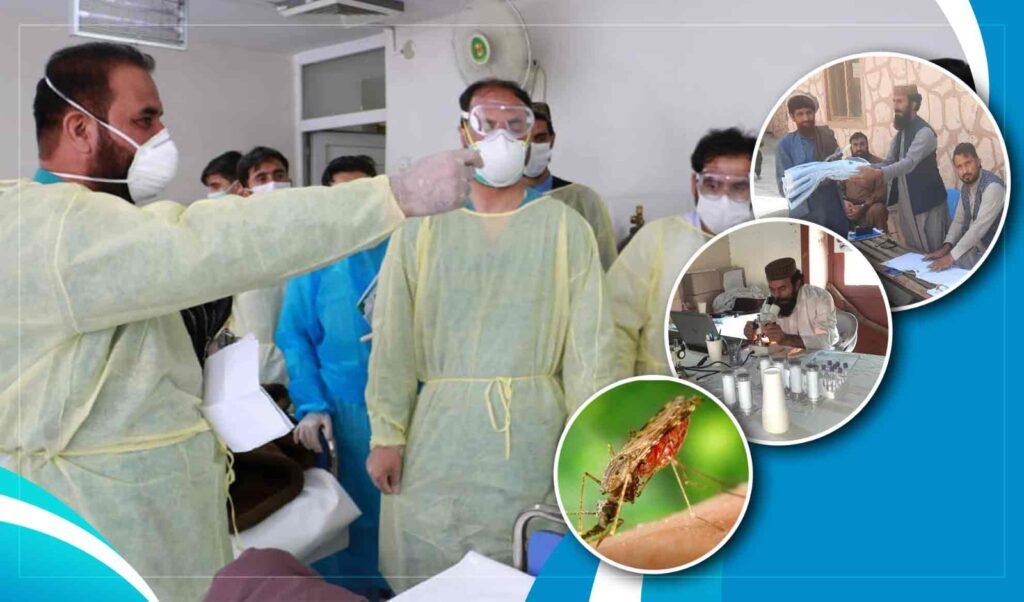

KABUL (Pajhwok): More than 50,000 positive malaria cases have been recorded in public and private health centers across the country over the past six months, with the mosquito-borne disease still posing a public health threat in Afghanistan, say health officials.
Malaria in Afghanistan
Dr. Mohammad Naeem Habib, Technical Coordinator of the National Malaria and Other Vector-Borne Diseases Control Program, said that malaria is still considered an acute parasitic disease in Afghanistan that can be transmitted by mosquitoes.
Regarding malaria cases, he said that in the first six months of the current year, 42,141 positive cases were recorded in public health centers and 9,600 cases in private health centers.
According to him, in the previous year, 257,000 positive cases of malaria were recorded in public health centers and 32,683 positive cases in private health centers in Nangarhar, Laghman, and Kunar provinces, for which free services were provided.
He added that, in public health centers, most of the recorded cases during the first six months of the current year were in eastern provinces, including Nangarhar, Kunar, Laghman, Nuristan, Khost, and Paktika.
He noted that no deaths from this disease had been recorded so far this year, but last year two fatalities were recorded in Nuristan and Paktia provinces.
What is malaria, how it is transmitted?
Dr. Faridullah Amiri, a specialist trainer at the National and Specialized Infectious Diseases Hospital in Kabul, told Pajhwok Afghan News that malaria was an acute, contagious, parasitic disease and a global health problem.
“It is transmitted by female Anopheles mosquitoes from infected persons to healthy individuals and can affect children, adolescents, and adults.
According to him, high fever, chills, shivering, sweating, weakness, headache, nausea, vomiting, fatigue, and diarrhea are among the symptoms of this disease.
He also added: “Malaria can be transmitted in various ways. For example, infected individuals can transmit the disease to others if they donate blood. Drug addicts who share contaminated syringes can also spread the disease. Furthermore, pregnant women who are infected may transmit malaria to their unborn child.”
He explained that the causes of the spread of this disease include stagnant water in places such as small canals, pits, near water taps, and other sites where mosquitoes lay eggs, which later develop into adult mosquitoes capable of transmitting the disease to the community.
Recommendations from doctors
Dr. Amiri emphasized the importance of preventive measures, saying: “We should make sure to install screens on the windows and doors of our homes to protect ourselves not only from malaria mosquitoes but also from other insects. If we rest outdoors, we should use insecticide-treated mosquito nets to remain safe.”
He added: “Malaria, tuberculosis, and AIDS are among the borderless diseases which, if left untreated and if patients take medication without medical consultation, can worsen and eventually cause death. Therefore, malaria is a dangerous disease that, if neglected, can be fatal.”
Patient satisfaction with services
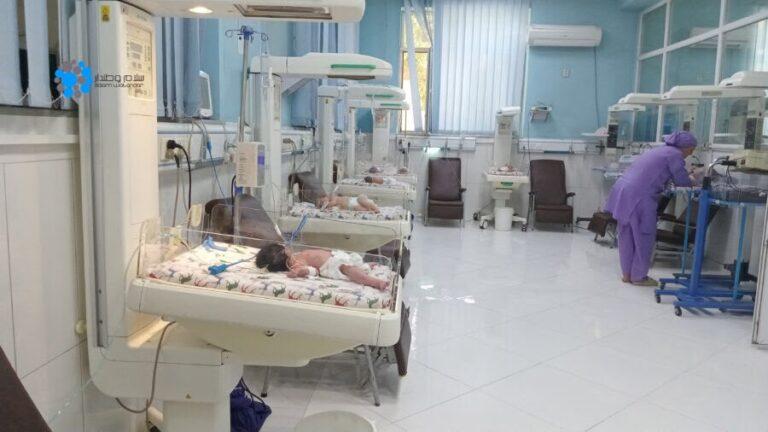
Nasir Ahmad Salehi, a resident of Parwan province and a malaria patient hospitalized at the Infectious Diseases Hospital in Kabul, told Pajhwok that he had contracted the disease two weeks ago.
He expressed appreciation for the services provided at the hospital and said his health condition has now improved.
Similarly, Haseebullah Ahmadi, a resident of Kabul city, said: “For three days I had been feeling unwell and nauseous, and when I visited the doctor, I was told I had malaria.”
He also expressed satisfaction with the services, adding that he has now received medication and is feeling better than before.
Distribution of thousands of mosquito nets
According to a report by the Ministry of Public Health, presented during the annual government performance review, the ministry annually distributes mosquito nets in high-risk areas to combat malaria.
The report states that in the past year, the ministry distributed 267,276 mosquito nets in provinces facing a serious malaria threat.
It also notes that this year alone, 17,962 mosquito nets have been distributed to returnee migrants from Iran and Pakistan.
sa/ma