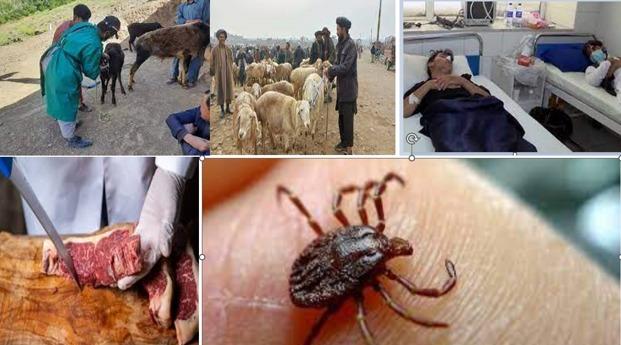

KABUL (Pajhwok): As Eid-ul-Adha approaches, health specialists have warned of a possible rise in cases of Crimean-Congo Hemorrhagic Fever (CCHF) and urged people to observe strict health precautions while slaughtering sacrificial animals and handling meat.
Dr. Faridullah Omari, trainer and infectious diseases specialist at the National and Specialized Infectious Diseases Hospital in Kabul, told Pajhwok Afghan News that Crimean-Congo Hemorrhagic Fever is an acute, contagious and sometimes fatal disease transmitted to animals through tick bites, often without showing any visible symptoms in infected animals.
According to him, the disease is transmitted to humans through contact with the blood and bodily fluids of infected animals or patients, while the shared use of contaminated personal items may also increase the risk of infection in some cases.
He said the initial symptoms include high fever, headache, muscle pain, neck stiffness, back pain, redness of the eyes, sensitivity to light, nausea, vomiting, abdominal pain and diarrhea.
With the progression of the disease, symptoms such as insomnia, lack of interest, depression, irritability, bleeding from the nose and gums, bloody vomiting, and red or purple skin spots may also appear.
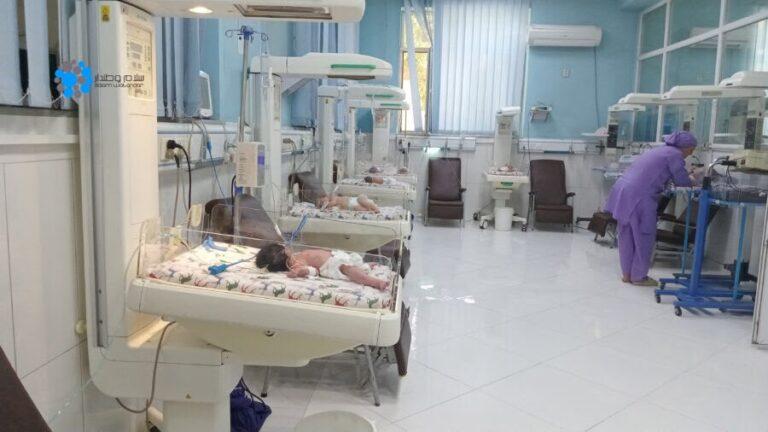
Omari said around 120 to 150 suspected Congo fever patients visited the hospital during the first two months of the current year, of whom 30 to 40 cases tested positive.
He added that during the past year, about 750 suspected patients were admitted to the National and Specialized Infectious Diseases Hospital in Kabul, with nearly 300 confirmed positive cases.
He warned that every year, in the days leading up to Eid-ul-Adha, the number of infections increases due to the heightened slaughter of livestock.
The infectious diseases specialist advised people to use protective equipment such as gloves, masks, aprons and boots while slaughtering animals.
He also recommended leaving the animal for about 30 minutes after slaughter to allow the blood to drain completely before skinning. He added that individuals with wounds on their hands should avoid direct contact with animals.
Omari further said the meat of sacrificial animals should be stored in refrigerators, and areas contaminated with animal blood should be cleaned using water and disinfectants.
He added that individuals who develop fever, headache, body pain, nausea, vomiting or bleeding from the mouth and nose after contact with animals or sacrificial meat should seek immediate medical attention.
Meanwhile, the World Health Organization’s office in Afghanistan also urged people to use separate cutting boards and knives when preparing meat, wash kitchen utensils with warm water and soap, and ensure meat is thoroughly cooked to prevent Congo fever infection.
On the other hand, Dr. Sharafat Zaman, spokesman for the Ministry of Public Health, said the number of Congo fever cases increases during Eid-ul-Adhaholidays, prompting the ministry to intensify public awareness campaigns on the disease.
According to him, the Ministry of Public Health(MoPH), in cooperation with the Ministry of Agriculture, has also launched livestock spraying campaigns in animal markets alongside awareness efforts for the public.
The MoPH stressed that anyone experiencing symptoms such as fever, body pain, nausea, vomiting or subcutaneous bleeding should immediately visit health centers, and people should avoid slaughtering sick or suspected animals.
sa