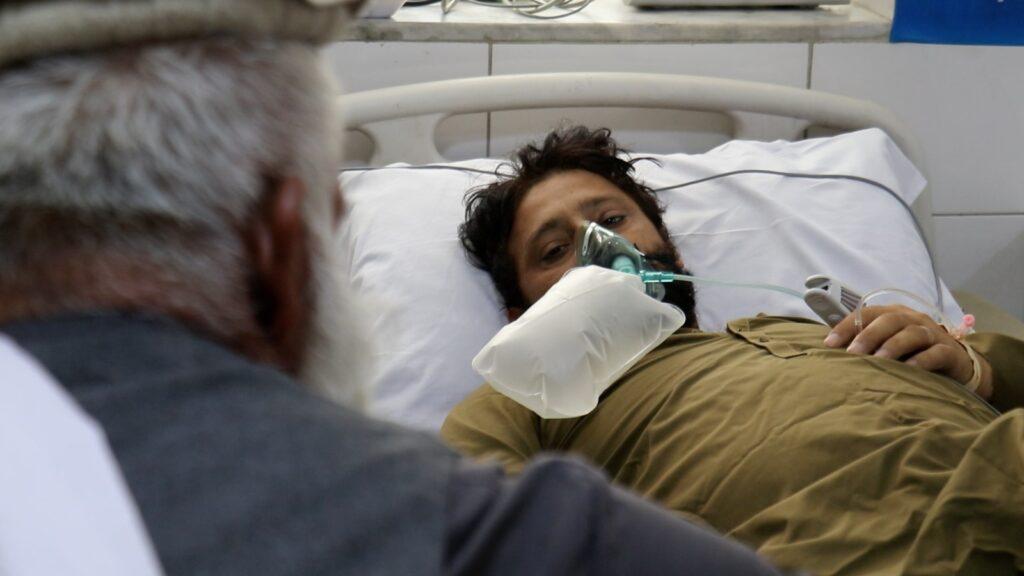

KABUL (Pajhwok): A specialist in infectious diseases at the National and Specialized Antani Hospital in Kabul says that 120 patients infected with Congo fever have been registered at the hospital in the past 15 days, while 150 cases had been recorded from the beginning of the current year until one day before Eid al-Adha.
According to doctors, Congo fever is a zoonotic disease transmitted from animals to humans through tick bites, consumption of undercooked meat, and contact with infected animal secretions.
High fever, headache, muscle pain, vomiting, and jaundice are early symptoms, while bleeding under the skin or from the ears, nose, and mouth are advanced signs of the disease.
Dozens of Congo fever patients hospitalized in one facility
Dr. Faridullah Amiri, trainer and specialist in infectious diseases at the National and Specialized Antani Hospital in Kabul, says that every year after Eid al-Adha, the number of Congo fever cases increases.
He told Pajhwok that from the first day of Eid al-Adha (May 27) until today (June 10), 120 cases of the disease have been recorded at the hospital. Of these, about 40% are women and more than 60% are men.
According to Dr. Amiri, six patients have died so far among these cases.
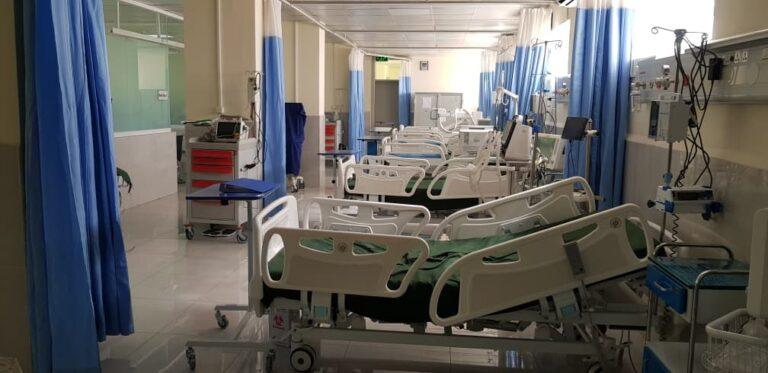
He added that currently 70 Congo fever patients are admitted and undergoing treatment at the hospital, with the condition of two patients reported as critical.
He said that from the beginning of the current year until one day before Eid al-Adha, around 150 cases of Congo fever had been recorded at the hospital, with four deaths.
“We have made preparations; we have also freed additional rooms, addressed shortages in our laboratories, prepared duty rosters, and we are fully ready. Admissions of Congo fever patients are still ongoing,” he said.
He attributed the post-Eid increase in cases to negligence during slaughtering and meat handling.
He added: “Most of our patients are from the central region and a small number are from provinces. In the provinces, when patients arrive late or their condition becomes complicated, they are referred to us.”
According to him, treatment units for Congo fever patients also exist in provincial hospitals in Herat, Balkh, Kunduz, Nangarhar, Kandahar, and Khost. In Kabul city, in addition to the National Antani Hospital, specialized infectious disease departments are active in the 400-Bed Hospital, Security Hospital, and Police Hospital.
Pajhwok contacted the Ministry of Public Health for nationwide data on the disease, but officials did not provide the information.
Voices of patients
Shakiba Amani, the caretaker of a hospitalized patient at the National Antani Hospital, said: “After Eid al-Adha, my daughter developed a high fever and diarrhea. We brought her to this hospital and she was diagnosed with Congo fever.”
Expressing satisfaction with her daughter’s recovery, she added: “On the first day we brought her here, her condition was very serious and she was completely weak. It has been six days since she was admitted, and thank God she is improving.”
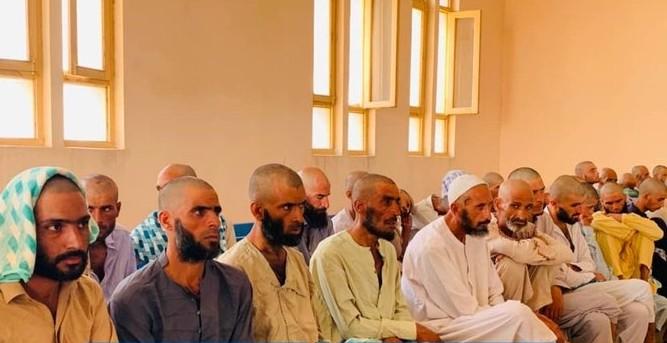
Meanwhile, Mohammad Hashim, a resident of Parwan and a patient at the hospital, said he is a butcher and was bitten by a tick while slaughtering an animal. When he removed it, he noticed it had also bitten him on the leg.
He said that two days later he developed a high fever and his condition worsened. The disease was not diagnosed in Parwan, and he was transferred to Kabul.
He thanked the Antani Hospital for its services and said his health is improving.
Similarly, Syed Murtaza, a resident of Kabul and another patient, said: “My brother worked as a butcher and I assisted him. My hand had a small wound, and while working I came into contact with the blood and meat of the sacrificed animal. I have been hospitalized for six days.”
He also expressed satisfaction and said he is recovering and may be discharged in a day or two.
Recommendations
Dr. Amiri said people who raise livestock or work as butchers, shepherds, or cooks should always use gloves when handling animals, slaughtering, and cutting meat.
He said those with wounds on their hands should avoid contact with animals and meat.
He added that after slaughtering, blood should be allowed to drain completely, and the area should be washed and disinfected with chlorine water or soap. He also recommended that animal hides be removed quickly and stored separately.
Dr. Amiri also urged livestock owners to use spraying programs conducted by the Ministry of Agriculture and municipalities to eliminate ticks on animals.
According to him, following these recommendations can prevent Congo fever as well as many other infectious diseases.
sa