
SHIBERGHAN (Pajhwok): Marzia, a resident of northern Jawzjan province, earns a living for her family by selling dairy products. However, rising production costs and the challenges of livestock farming have made her work increasingly difficult, prompting her to seek greater support.
Meanwhile, local agriculture officials say they plan to expand assistance for women engaged in livestock activities.
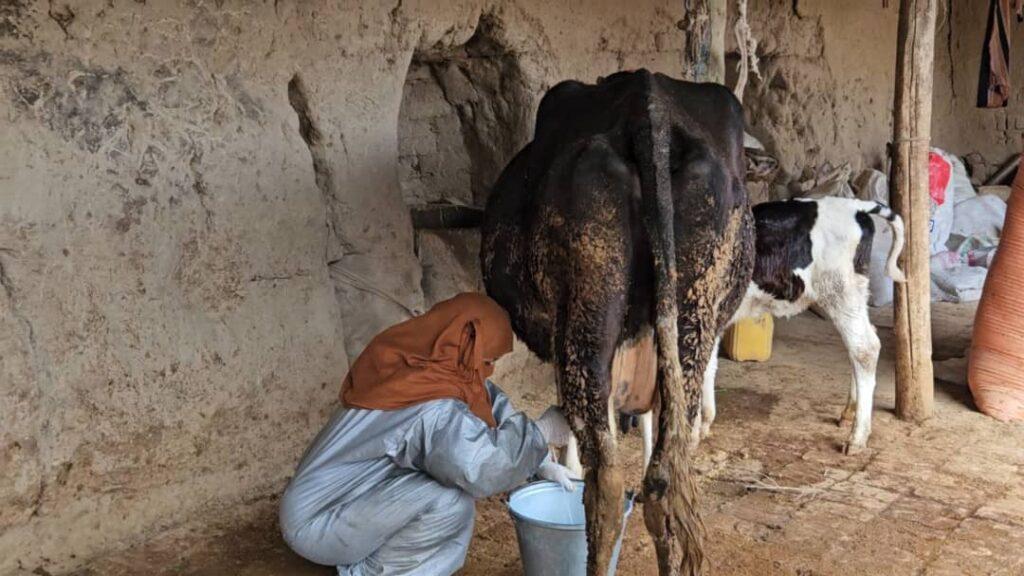
Every morning, before the markets in Shiberghan open, Marzia begins her day by milking her cow, preparing yoghurt, cheese and cream, and taking the products to the market.
For nearly two decades, despite never having had the opportunity to attend school, she has supported her family through livestock farming and the sale of dairy products. Her responsibilities became even heavier after her husband was paralysed about 10 years ago.
Marzia lives with her disabled husband and four children in a modest house in Yaka Bagh village on the outskirts of Shiberghan, the capital of Jawzjan province.
She wakes before dawn every day. After performing her morning prayers and reciting the Holy Quran, she prepares breakfast for her husband, then assigns some household tasks to her daughters before heading to the cowshed.
Her calloused hands reflect years of hard work and perseverance. She first provides feed and water for her livestock, then milks them and processes the milk into yoghurt, cheese and cream.
The smell of fresh milk fills the courtyard as containers of dairy products are prepared one after another.
Marzia’s three daughters work alongside their mother, knowing that every product sold helps cover the family’s expenses, including food, medicine and other daily needs.
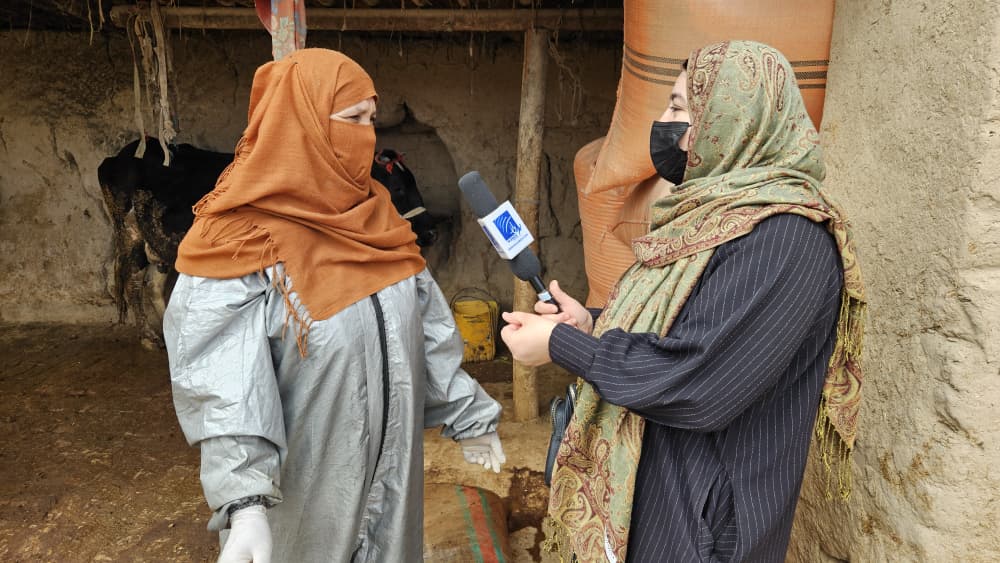
“We earn an income from milk, yoghurt, cheese, cream and other dairy products,” Marzia told Pajhwok Afghan News. “The income may not be much, but it keeps our family going.”
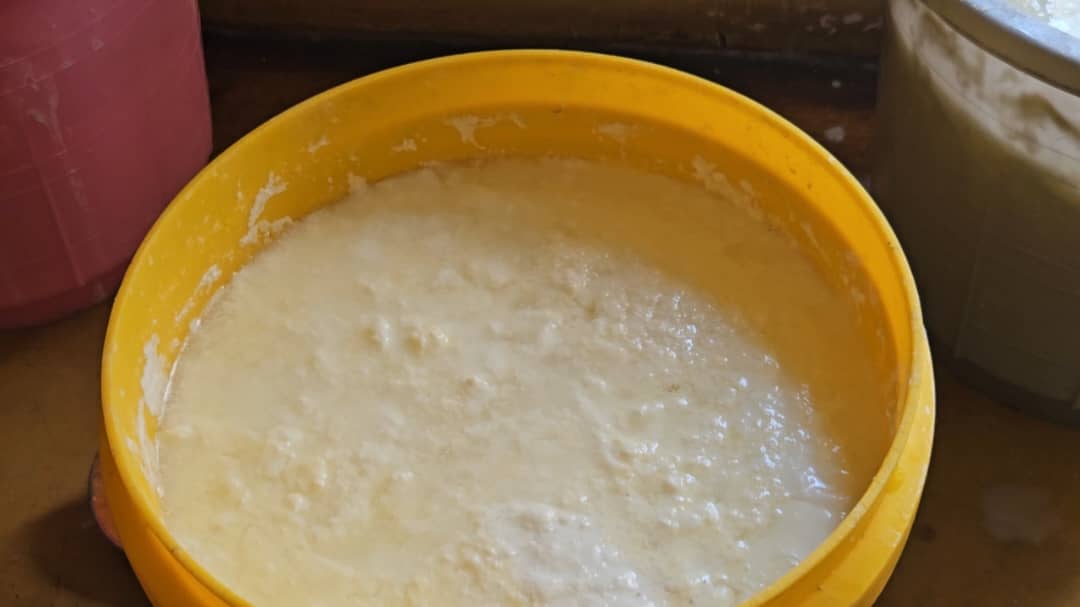
She said her monthly earnings from dairy sales range between 5,000 and 10,000 afghanis, depending on production levels.
“This work is not easy,” she said. “Taking care of livestock, milking animals, preparing yoghurt, cheese and cream, and selling them is very difficult, especially for a woman. It requires determination, but I have no other option because I must support my family.”
Although she never had the opportunity to attend school herself, Marzia said she would focus more on her daughters’ education if girls above the sixth grade were allowed to return to school.
“My eldest son is studying and also works as an apprentice in a shop,” she added.
Despite the difficulties, Marzia says she has no intention of abandoning her work. She hopes to increase the number of livestock she owns and expand production, believing that every container of milk she sells is a step towards a better future for her children.
She currently owns one cow and a calf but says rising livestock feed prices and increasing production costs have made her work more challenging.
“Sometimes we cannot afford proper feed for our livestock,” she said. “If we received support in the form of livestock feed, financial assistance or equipment, we could increase the number of animals, boost production and earn a better income.”
Greater support needed
Economic expert Abu Raihan Entezar, a lecturer at the Faculty of Economics of Jawzjan University, said women play a vital role in agriculture and livestock farming, contributing significantly to increased production, food security and the economic wellbeing of families and communities.
“If these women are provided with technical training, access to markets, improved seeds, small loans, production equipment and support for small businesses, not only will household incomes increase, but economic growth and sustainable development will also be strengthened,” he said.
He stressed that investing in women’s economic empowerment should be a priority, describing it as an investment in Afghanistan’s future economy.
Meanwhile, Zabihullah Khairandesh, spokesman for the Department of Agriculture, Irrigation and Livestock, said more than 500 women in Jawzjan province are currently engaged in greenhouse farming, saffron cultivation, mushroom production and livestock rearing.
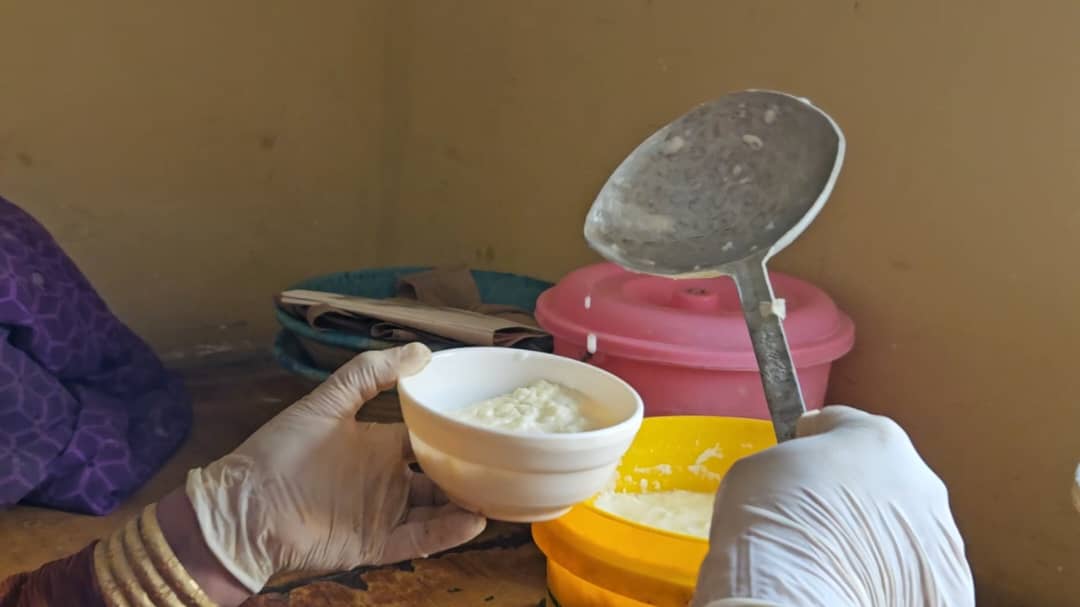
“We plan to launch more training and support programmes for women to increase their contribution to agricultural development and the local economy,” he said.
Khairandesh added that the department is working with partner organisations and donors to expand training and support programmes aimed at improving production capacity, product quality and women’s contribution to the local economy.
kk/sa