
FEROZKOH (Pajhwok): Mahtab, a woman who lost her husband in a landmine explosion eight years ago, has found a way to support her four children by learning tailoring and embroidery.
However, a lack of stable markets and rising prices of raw materials continue to pose challenges for her and other skilled women in western Ghor province.
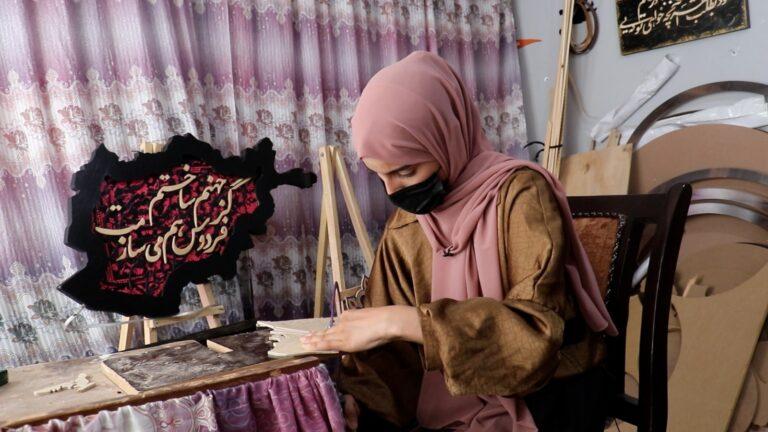
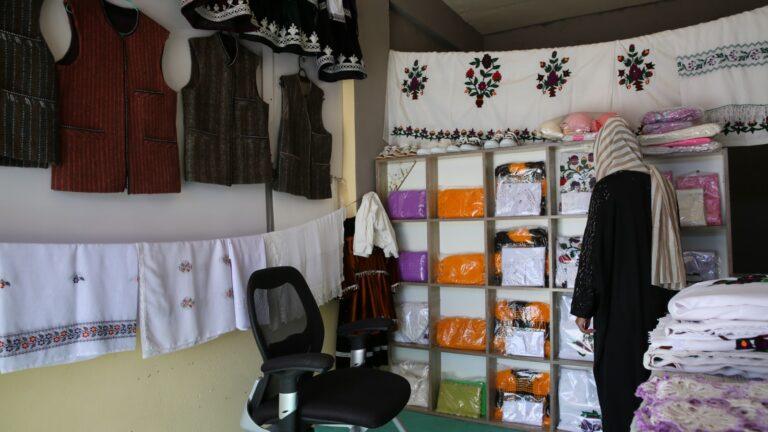
Tailoring and khamak-dozi (traditional Afghan embroidery) are among the traditional and popular crafts in Afghanistan, particularly in Ghor province. Women, especially those from rural and low-income families, use these skills to earn an income and help meet their household expenses.
Mahtab: A mother, breadwinner
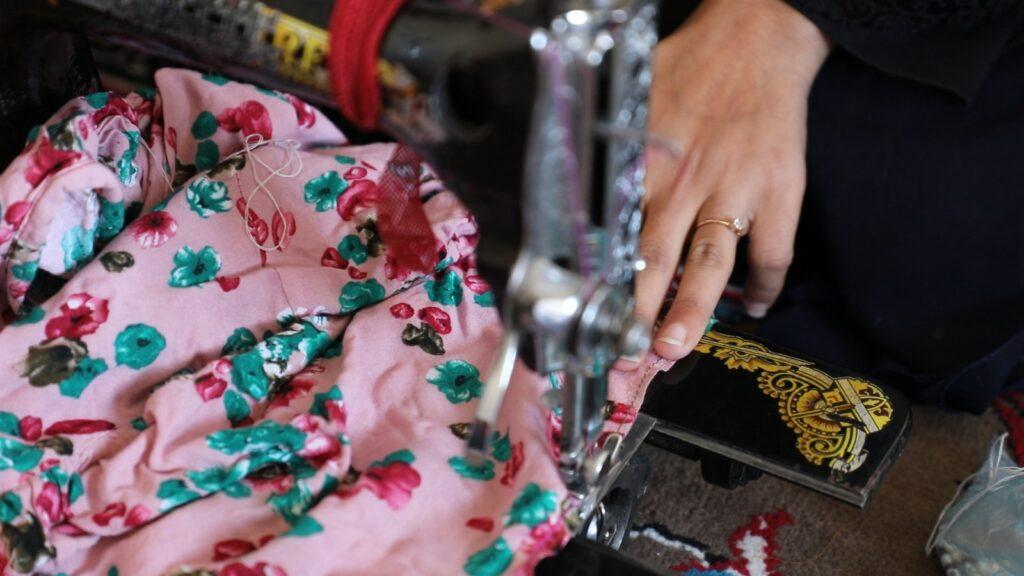
In one of the unpaved streets of Ferozkoh city, the steady sound of a sewing machine can be heard coming from a house where 36-year-old Mahtab works to provide for her four children.
Alongside her household responsibilities, she earns a modest but vital income by sewing clothes and doing khamak-dozi.
Mahtab lost her husband eight years ago in a landmine explosion in Pasaband district of the province. Following his death, she took sole responsibility for raising their four young children.
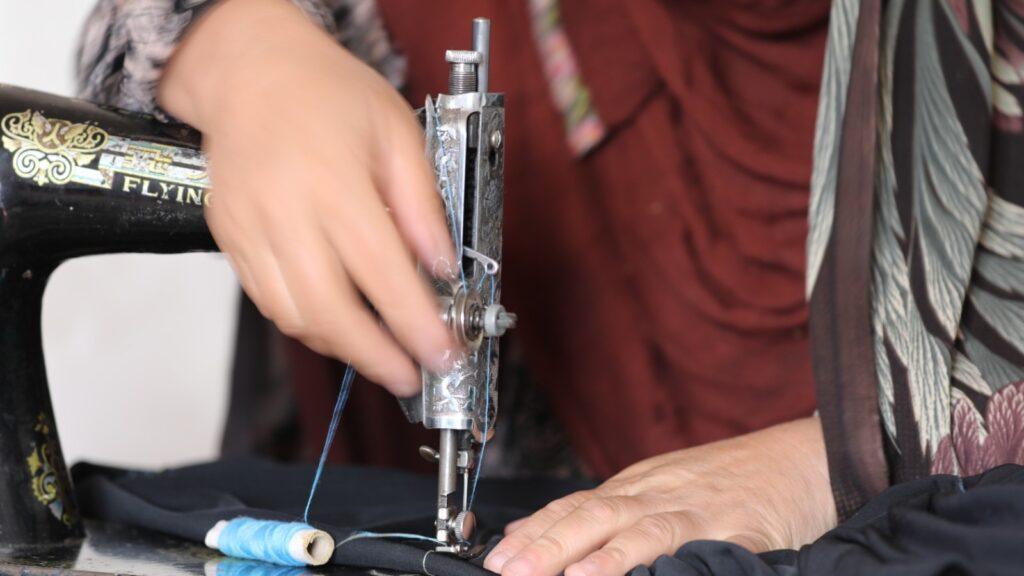
During the first few years after the incident, she struggled with severe financial difficulties. However, after attending a tailoring course organised by an institution, she learned the trade and began working from home after receiving the necessary equipment.
“When my husband was killed, I faced many financial difficulties. Eventually, I learned tailoring and khamak-dozi and started sewing clothes for my customers,” Mahtab recalled.
She now covers part of her family’s living expenses through tailoring and embroidery.
“I charge 200 afghanis for sewing each outfit and between 1,000 and 5,000 afghanis for an embroidered collar, which I also sell in the market,” she explained.
Although her income is limited, Mahtab said it helps cover the living expenses and basic needs of her four children and enables her to support her family through her skills and hard work.
She believes that better opportunities to sell women’s handmade products would allow her to receive more orders and increase her family’s income.
“My wish is to have more work, more customers and provide a better life for my children,” she added.
Mahtab remains determined to build a better future for her children and is willing to work longer hours and further develop her tailoring and embroidery skills.
She hopes that one day she can turn a small room into a tailoring workshop where, in addition to supporting her family, she can provide employment opportunities for several other women.
A family craft passed down from mother to daughter
Elsewhere in Ferozkoh, 32-year-old Firoza works as an embroiderer, spending much of her time in a corner of her home using thread and needles to create various designs on clothes and fabrics.
Firoza explained that she learned embroidery from her mother and later turned the traditional craft into a source of income as her family’s financial needs increased.
She accepts orders from local residents and delivers the embroidered clothes and fabrics to customers after completing them.
“Embroidery is not easy, but when I see that I earn money from my own work and can contribute to household expenses, I feel less tired,” she remarked.
One of her main challenges, Firoza noted, is the lack of a stable market for handmade products, along with rising prices of thread, fabric and other materials.
Nevertheless, she hopes opportunities will be created for women embroiderers to display and sell their products at local markets and exhibitions.
She also called for greater support for skilled women so they can use their abilities to earn an income and contribute to their families’ financial needs.
Hundreds of Ghor women engaged in tailoring, embroidery
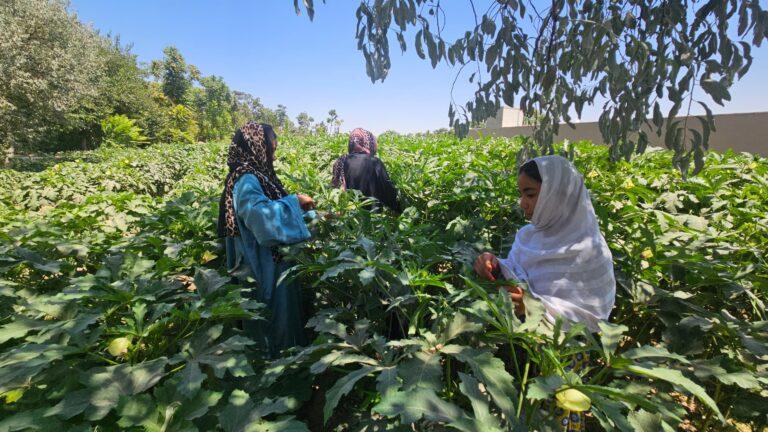
Oranus Arefi, head of the Women’s Chamber of Commerce and Industry in Ghor, expressed support for women’s economic activities, noting that women in the province had strong skills in tailoring, embroidery and khamak-dozi and had used these skills to contribute to their household expenses.
“Women who run small businesses mostly work from home. They sell their products to local customers and help meet their families’ financial needs,” Arefi explained.
She noted that efforts were underway to organise exhibitions to promote women’s products and provide them with access to wider markets, enabling them to expand their businesses and increase their incomes.
Arefi expressed hope that greater attention to women’s handicrafts would enable them to further develop their work and earn more income for their families.
According to her, more than 300 women in Ghor are engaged in various fields, including tailoring, khamak-dozi, embroidery, handicrafts and other activities. Of these, 25 have obtained official licences from the chamber to operate their businesses.
kk/sa