
SHIBERGHAN (Pajhwok): Some women farmers in northern Jawzjan province say drought and climate change have created serious challenges for their agricultural activities, but they are adopting modern irrigation methods, solar energy and crop diversification to protect their families’ livelihoods.
Afghanistan is an agricultural country, with a large proportion of its population, particularly in rural areas, relying on farming for their livelihoods.
According to the Food and Agriculture Organization (FAO), more than 70 percent of Afghans are engaged in agriculture, while women account for 43 percent of the agricultural workforce.
Women farmers: Cultivating hope amid climate change
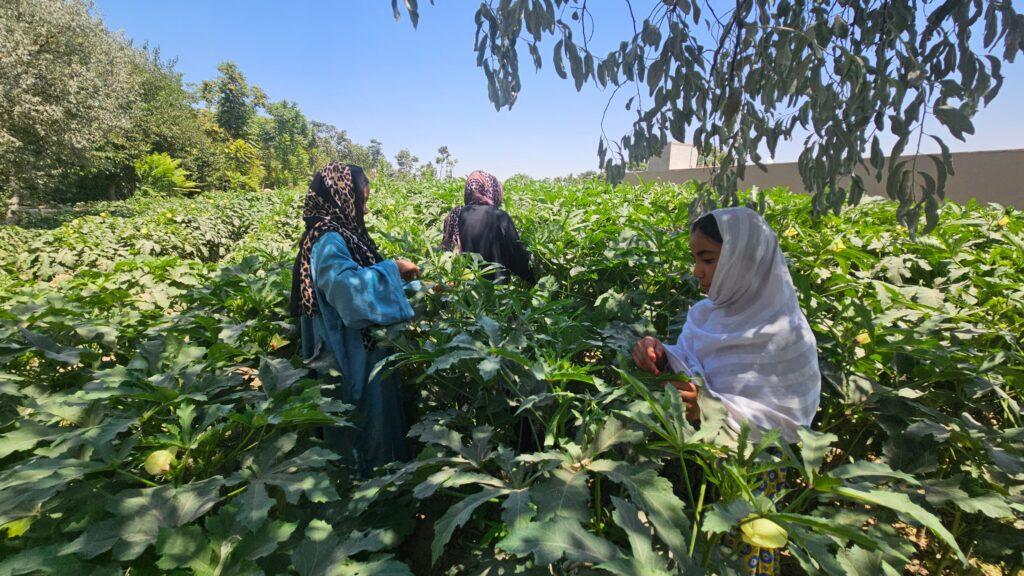
Najila, 43, from Baba Ali village in Jawzjan, has been farming for 15 years. The mother of five said agriculture is the sole source of income for her family.
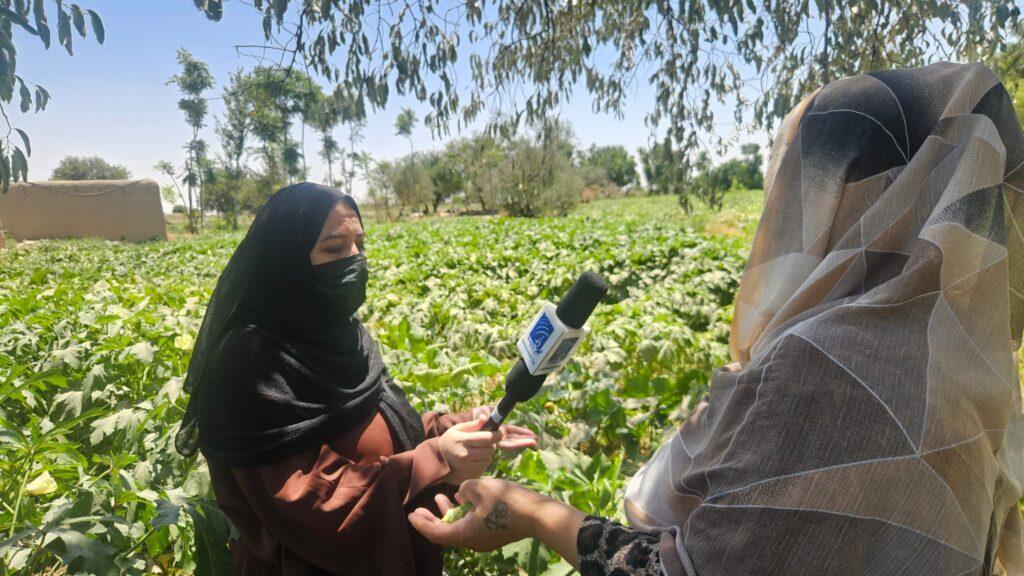
“Farming depends heavily on weather conditions. Some years we have good harvests, but when rainfall decreases, all our hard work is lost. Even when crops grow well, storms or hail can destroy them. Water scarcity is one of our biggest challenges,” she said.
She said her family had in recent years begun using wells, solar-powered systems and drip irrigation to conserve water and reduce wastage.
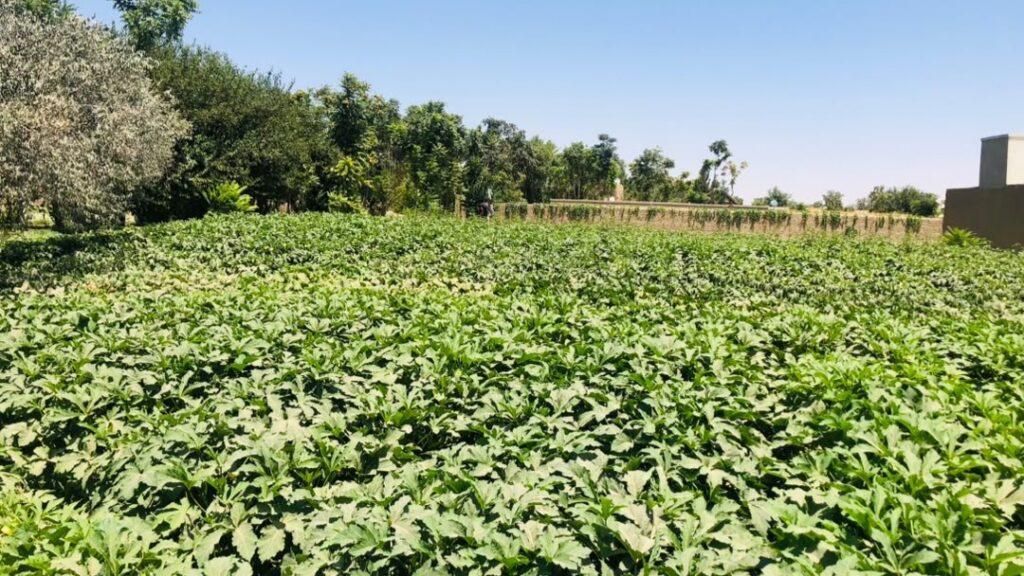
Najila cultivates tomatoes, okra, aubergines, peppers, vegetables, cucumbers, watermelons and melons on three jeribs of land each year. She said the income from the crops helps support her household.
“Climate change has affected our lives so much that at one point we considered migrating, but we could not. We ask the government and aid organisations to provide us with better training and more facilities so we can cope with these challenges and improve our farming,” she added.
Sadiqa, 36, from Ghora village, is a widow and mother of four who has supported her family through farming for the past four years.
“Agriculture is our only source of income,” she said.
She said farming remained highly dependent on weather conditions, making farmers’ incomes uncertain.
“In some years the harvest is good, but when rainfall declines, production also falls. Even when crops are ready, storms or hail can destroy months of hard work. Water shortages are another major problem,” she added.
Like Najila, Sadiqa uses wells, solar-powered systems and drip irrigation to conserve water.
She urged the government and partner organisations to provide specialised training, promote modern farming techniques and offer greater support, particularly to women who head households, to help them cope with climate change and sustain their families.
Mursal, 30, a mother of three who has worked in agriculture for six years, said farming was also the only source of income for her family.
“My husband and I cultivate wheat, vegetables, watermelons, melons, cucumbers and tomatoes on one jerib of land every year. Despite challenges such as water shortages, climate change and rising production costs, we have continued farming so these problems do not negatively affect our children’s lives,” she said.
She said access to modern agricultural training and improved seeds would enable farmers to increase production and improve their incomes.
“We ask the government and partner organisations to support women farmers because this will not only improve our families’ livelihoods but also strengthen agricultural production and food security,” she added.
Expert: Women play a vital role in rural economies
Agricultural expert Abdul Sattar Jalal said climate change had significantly affected rural communities in recent years.
He said rising temperatures, declining rainfall, shrinking water resources, falling agricultural production and shortages of livestock fodder had worsened economic conditions for rural families.
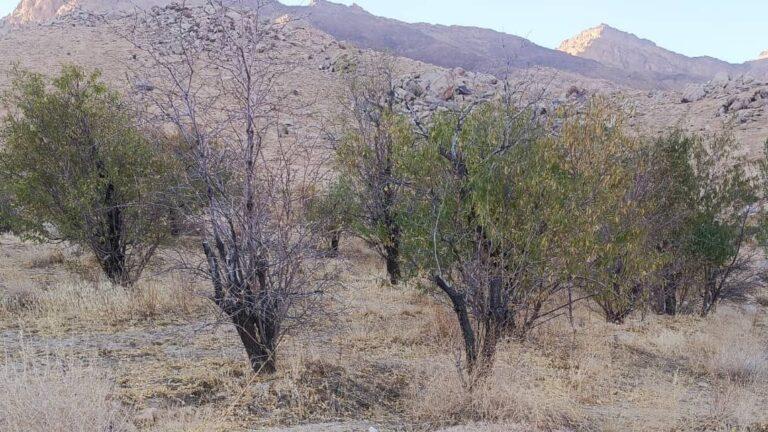
In Jawzjan, where most residents depend on farming and livestock, reduced surface water and prolonged drought have changed cropping patterns, reduced cultivated land and significantly lowered agricultural output, he said.
Jalal said women farmers, who play a key role in food production and household economies, were among those hardest hit by climate change.
“They are central to managing kitchen gardens, growing vegetables, raising livestock, preserving food and carrying out other livelihood activities. However, prolonged drought and water shortages have severely restricted their work and reduced their ability to meet part of their families’ food and economic needs,” he said.
He stressed that stronger government and donor support, along with better access to agricultural services and resources, was essential to help rural women build resilience to climate change and ensure sustainable household food security.
Officials promise greater support
Zabihullah Khairandesh, spokesman for the Agriculture, Irrigation and Livestock Department, said several initiatives had already been launched to support women farmers.
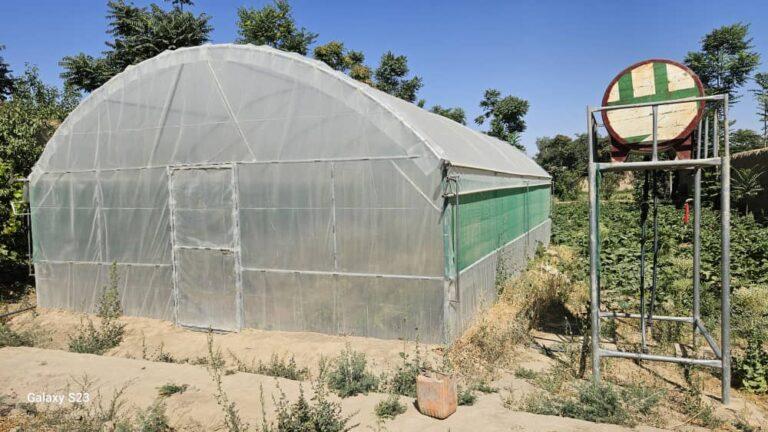
“In cooperation with partner organisations, we have established more than 250 greenhouses in areas around Sheberghan city and the districts, helping create jobs and strengthen household economies,” he said.
He added that the department planned to introduce more training and support programmes to increase women’s contribution to agricultural development and the local economy.
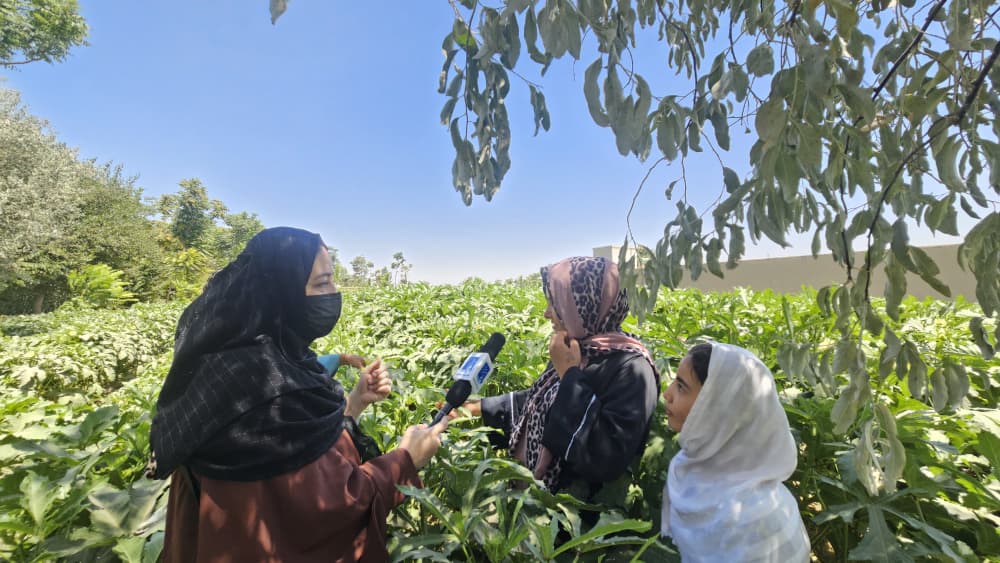
According to Khairandesh, more than 500 women in Jawzjan are currently engaged in greenhouse farming, mushroom cultivation, saffron production and other agricultural activities.
kk/sa