
SHIBERGHAN (Pajhwok): Natural gas extraction in northern Jawzjan province meets part of the country’s energy needs, but experts say continued extraction requires sustained attention to its potential impact on water, soil and the environment.
Meanwhile, officials say technical and environmental standards are being followed.
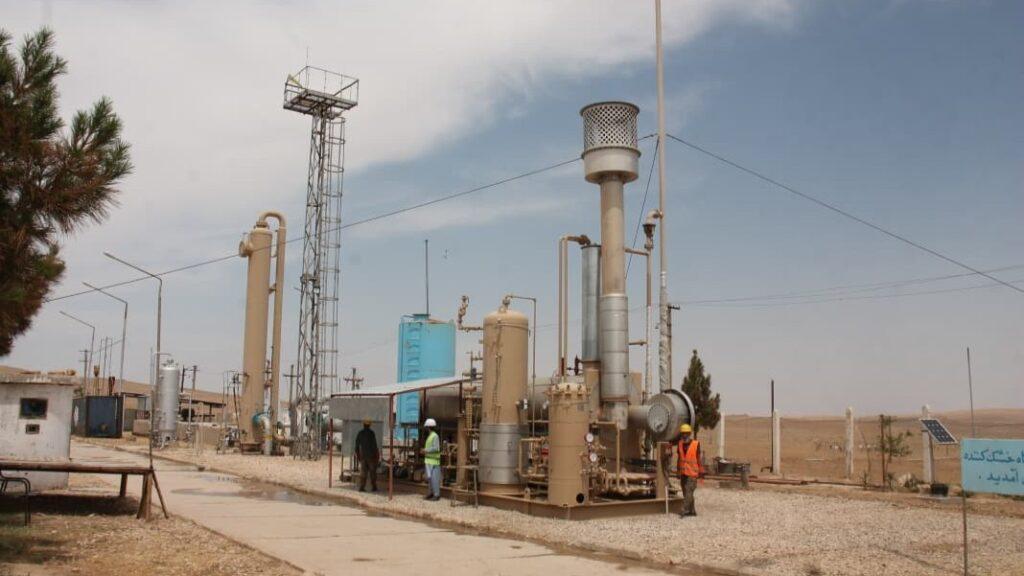
Jawzjan is one of Afghanistan’s provinces rich in natural gas resources. Officials say gas is extracted from the Khwaja Gogerdak, Yatimtaq, Jarqduq and Shakarak fields, and that the gas produced is processed and then supplied to power generation facilities, fertiliser production plants and other consumers.
Expert raises concerns over environmental impacts
Maiwand Arya, a gas-mining expert, told Pajhwok Afghan News that natural gas extraction, while contributing to meeting the country’s energy needs, could also have environmental consequences.
He explained that gas-related activities, from exploration and drilling to extraction and transportation, could affect the environment in various ways.
According to him, potential impacts of gas extraction include water and air pollution, noise and light pollution, land subsidence, climate change and loss of biodiversity.
He added that water and soil resources could also be affected by activities associated with gas extraction.
Arya noted that groundwater and surface-water pollution, water consumption, and soil pollution and degradation were among the impacts that needed to be considered during gas extraction.
Measures to prevent pollution, protect the environment during gas extraction
Akhtar Mohammad Mansour, head of Afghan Gas Enterprise, told Pajhwok that gas extraction from four gas fields in Jawzjan was continuing in a technical and professional manner, with production at the fields carried out regularly.
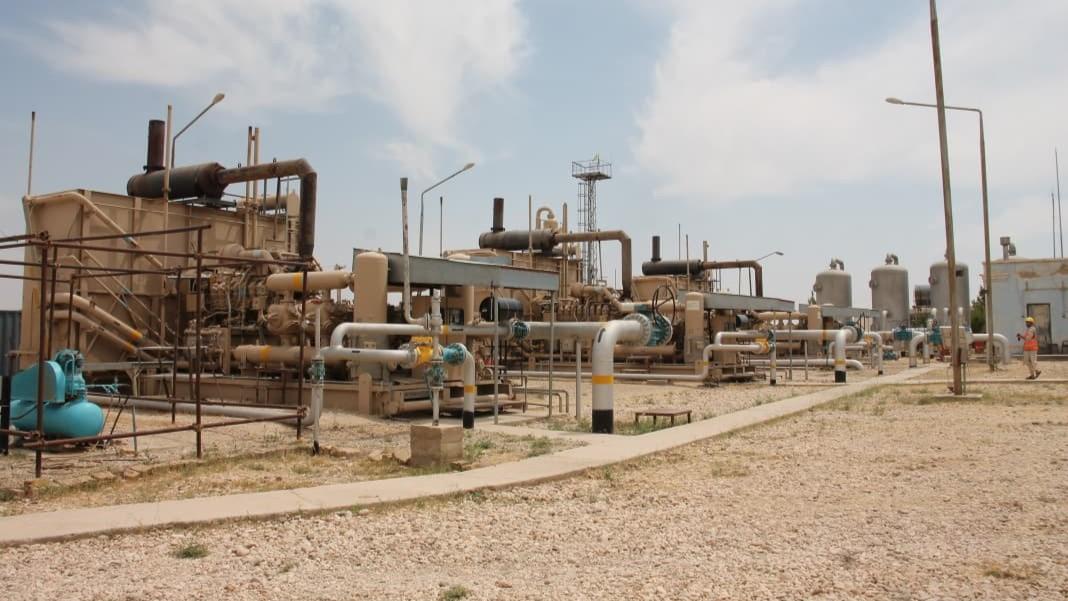
He explained that some of the gas produced was supplied to the state-owned Mazar-i-Sharif Fertiliser and Power Company, while the remainder was transferred to Bayat Power under a contract.
He added that the Mazar-i-Sharif Fertiliser and Power Company received around 400,000 cubic metres of gas a day, which was used to produce fertiliser.
Under the contract, 200,000 cubic metres of gas was also supplied daily to Bayat Power for electricity generation.
Mansour said around 650,000 cubic metres of gas was produced daily at gas fields in Jawzjan and, after processing, transported to consumers through pipelines.
He added that seven wells were operational at the Yatimtaq field, where around 850 engineers and workers were employed.
According to him, technical staff at the fields monitored the extraction process and addressed technical problems as they arose.
He noted that the distance between the gas fields and residential areas had been determined in accordance with environmental standards and that the necessary assessments had been conducted before extraction began.
He pointed out that the Khwaja Gogerdak and Yatimtaq fields were around 15 kilometres from residential areas, while the Jarqduq and Shakarak fields were approximately 20 kilometres away.
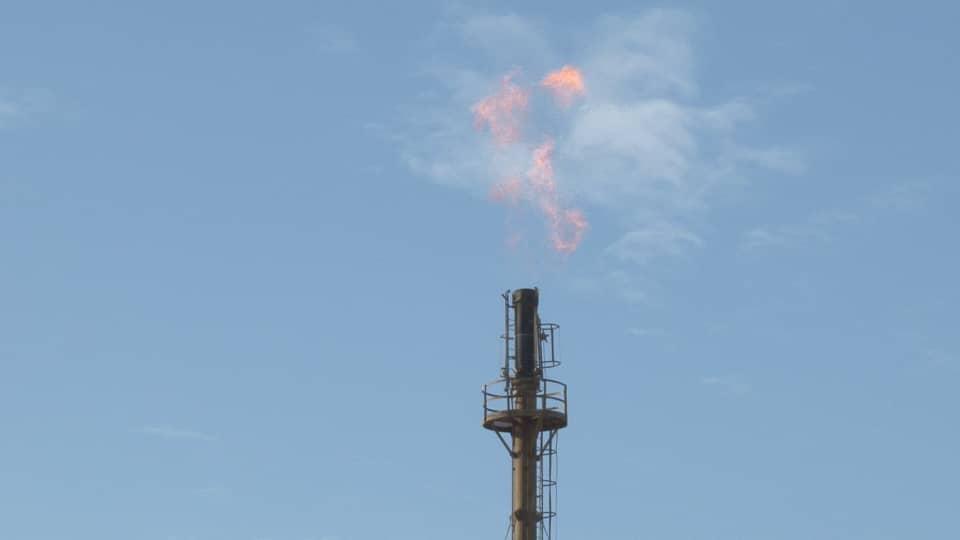
Mansour added that, to prevent environmental pollution during extraction, harmful substances present in the gas were separated and burned before the gas was transported to consumers.
Local residents’ views
Mohammad, a 45-year-old worker at a gas field in Jawzjan who has been working in the sector for more than a year, described working at a gas field as different from many other jobs, saying workers had to remain fully attentive and focused throughout their shifts.
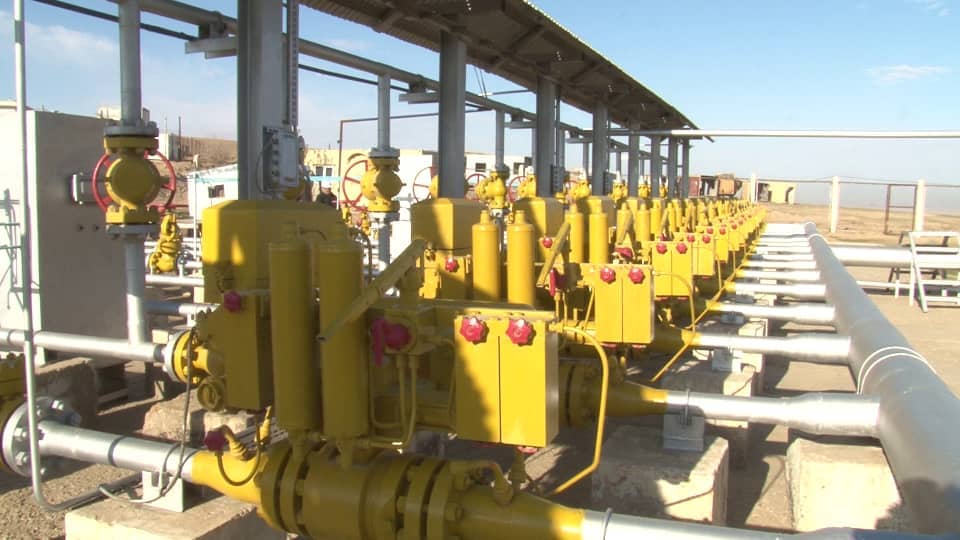
He explained that workers checked the condition of equipment and work tools before starting their shifts and worked in an environment where machinery, vehicles and gas wells operated continuously.
He noted that gas-field activities not only provided income for workers’ families but also created employment opportunities for others.
Mohammad added that technical, transport and service departments also required workers and that activities related to gas drilling and extraction had provided direct employment to hundreds of people.
“Every well is not just a well for us; it is the hope of a family,” he said.
Meanwhile, Aziz, 50, another worker involved in gas extraction and processing, explained that several stages, including drilling, inspection, extraction, transportation and processing, were completed before gas reached consumers, involving a large number of workers, technicians and engineers.
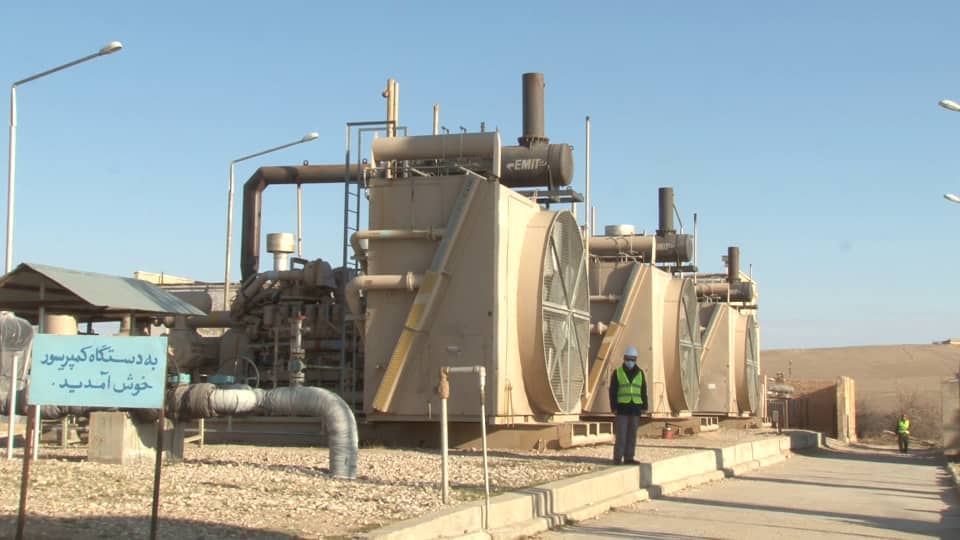
He called for increased investment in the gas sector and the creation of more job opportunities for local residents.
Qurban Murad, a resident living near the Yatimtaq gas field, noted that gas extraction had made life easier for local people, allowing them to use the energy to meet their daily needs.
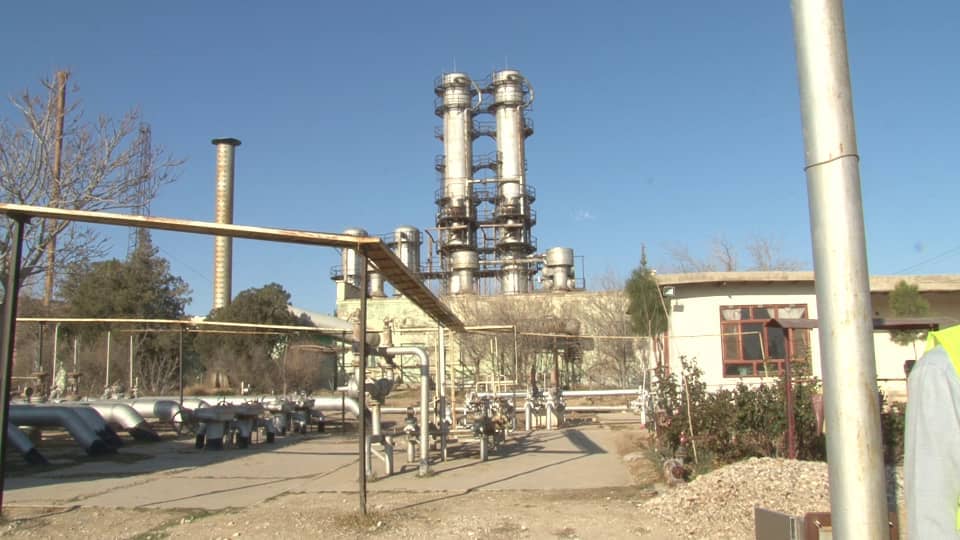
He added that he had so far not observed any specific health problems in his area that could be attributed to gas extraction.
Rozi, another resident of Yatimtaq, also described gas extraction as beneficial to local people, noting that access to the energy could help families meet their daily needs and support their livelihoods.
kk/sa