
KABUL (Pajhwok): Health officials say two water-supply companies in Kabul have been closed for failing to meet some required standards, while experts say being mineral or bottled water alone does not guarantee its safety and that water quality should be assessed through laboratory tests and compliance with health standards.
Some Kabul residents have also expressed concerns about the quality of certain bottled water and water sold through three-wheelers.
However, consumers’ experiences and claims alone cannot establish water contamination or determine the cause of an illness, and specialised testing is required to verify such cases.
70 major water-purification companies operating in country
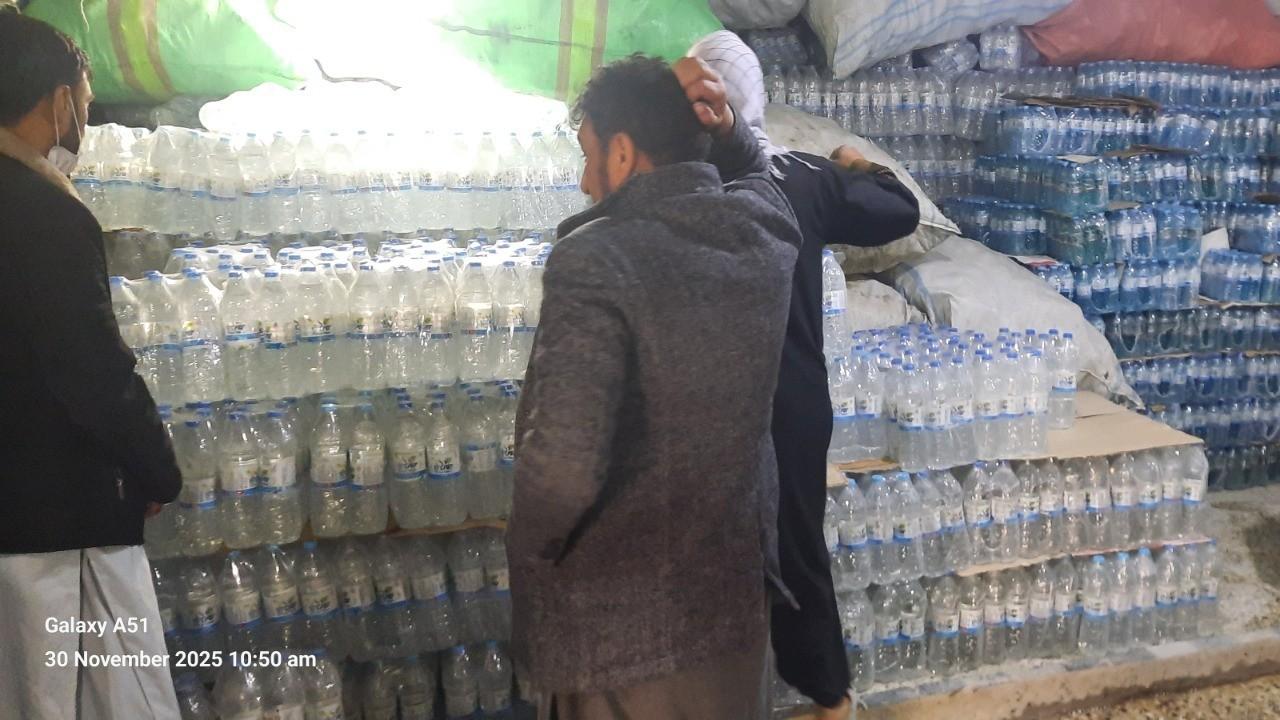
Qari Mohammad Asif Elias, spokesman for the Ministry of Industry and Commerce (MoIC), said 70 major water-purification companies are currently operating across the country.
He said figures for small factories that purify water and sell it through tankers or three-wheelers were not available.
A source who did not want to be named also said most of these small factories operate without registration.
Consumer concerns over bottled water quality
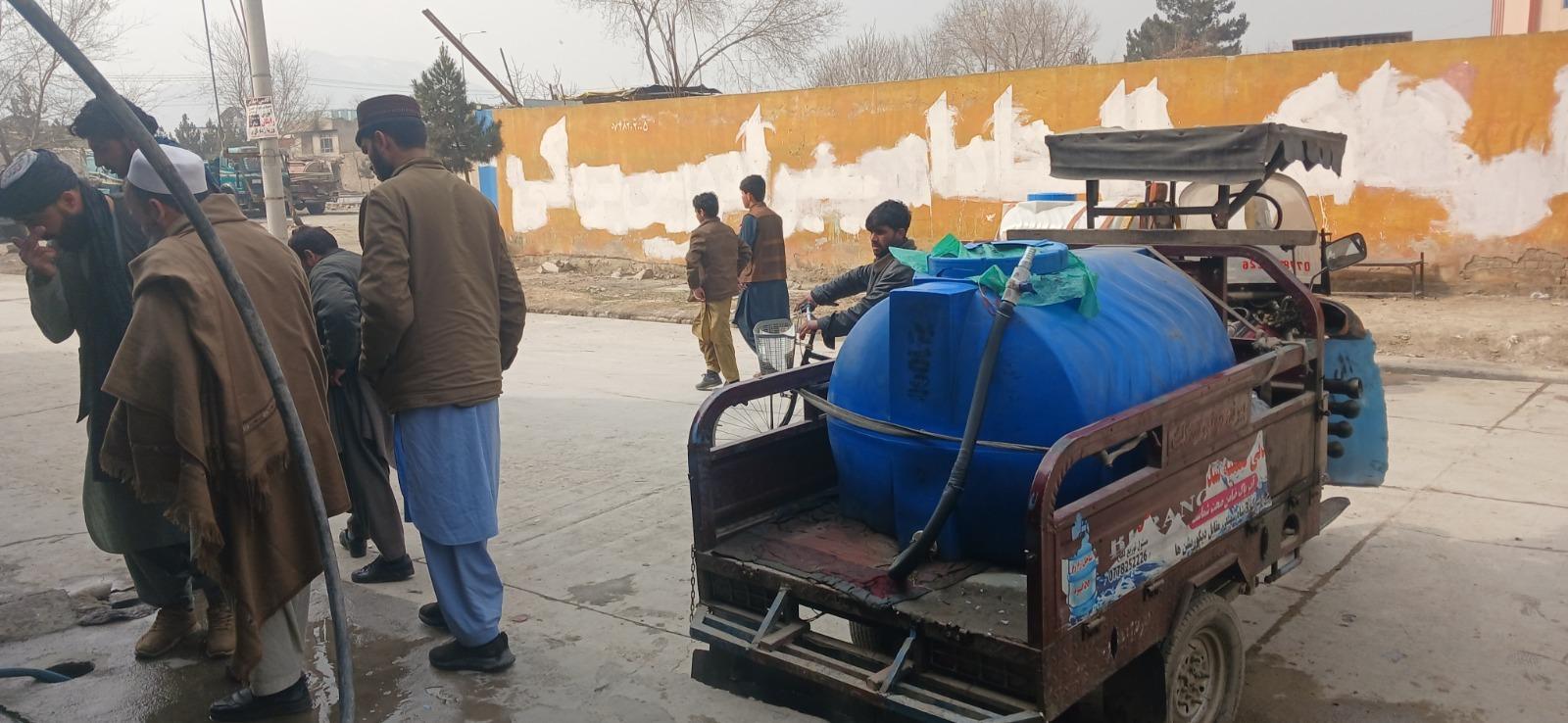
Some Kabul residents have expressed concerns about the quality of certain bottled water and water sold through three-wheelers. However, such claims alone cannot establish water contamination or the cause of an illness, and specialised testing is required to verify them.
Behishta Ahmadi, a Kabul resident, said she had noticed differences in the quality of some bottled water.
She said that when good-quality water is used to make tea, its colour and taste remain normal, whereas some water available in the market does not produce the same result.
Sarah, another Kabul resident, said the quality of the water her family bought from a company was initially satisfactory, but she believed it had declined as sales increased.
She claimed that on some occasions she had found an insect and a leaf inside a water bottle. She also noticed changes in the colour and quality of the water when making tea.
Zarafshan, a resident of the Qala-i-Zaman Khan area of Kabul, said she had doubts about the quality of treated water sold through three-wheelers.
She said: “One day, I was talking to a city taxi driver who told me that his cousin sells treated water through three-wheelers. I had always wondered whether the water sold through three-wheelers was actually treated and whether his cousin had a water-treatment machine. He first smiled and then said, ‘No, he doesn’t have a machine, but he puts a tablet in the water.’ I asked him what kind of tablet it was. He said, ‘I am illiterate; I don’t know what it is.’”
Mursal, another resident of the capital, said members of her family developed stomach pain after consuming water they had bought from outside.
She said that, after making inquiries, they were told that a substance had been used to change the taste of the water. However, it is unclear whether her family members’ illness was caused by consuming that water.
Experts: Being mineral water does not mean it is safe
Rafiullah Nasrati, a scientific member of the Afghanistan Academy of Sciences, said natural water dissolves various salts and minerals, such as calcium and magnesium, as it passes through soil and rocks. Their levels depend on the water source and the geological conditions of the area.
He said being mineral water does not, by itself, mean that water is safer and that the main criterion is whether it meets drinking-water quality standards.
He added that increased levels of substances such as sodium, fluoride, nitrate and heavy metals could be harmful to health. He said water quality should be tested for microbial contamination, pH, clarity, salinity, nitrate, fluoride and other chemical substances.
He explained that not every bottled water product is necessarily natural mineral water and that some bottled water is ordinary drinking water treated through methods such as filtration, ultraviolet radiation or reverse osmosis (RO).
He said more treatment does not always mean safer water, as some methods can reduce not only contaminants but also beneficial minerals such as calcium and magnesium.
He stressed that when using water-treatment devices, it is important to choose appropriate equipment, replace filters on time and clean the devices regularly, as contaminated equipment and filters can themselves become breeding grounds for microbes.
Nasrati also said boiling water could reduce the risk posed by many bacteria and viruses, but would not remove chemical contaminants such as arsenic, nitrate and heavy metals.
He stressed that people cannot determine whether water is safe based solely on its colour, clarity or taste and that, where possible, water sources should be tested periodically.
Meanwhile, Dr. Sayed Farid Shah Rafiei, an internal medicine specialist, said some harmful microbes and chemicals cannot be detected by sight, smell or taste.
He said contaminated water could cause diarrhoea, vomiting and diseases such as cholera, dysentery, typhoid and hepatitis A and E. Chemical contaminants such as arsenic, lead and nitrate could also pose long-term health risks.
Rafiei said water treated through an RO system was safe for consumption if an appropriate device was used and proper maintenance procedures were followed. He added that the minerals needed by the body were mainly obtained through food.
He urged people to check the seal, production and expiry dates, manufacturer details and storage conditions when buying bottled water and, in case of doubt, submit the water to relevant laboratories for testing.
Dr. Faridullah Omari, an infectious diseases specialist, said drinking water should be free from microbial contamination because contaminated water can cause infectious diseases.
He stressed the importance of proper water storage and the use of approved methods such as chlorination or boiling when safe water is unavailable.
Water company official
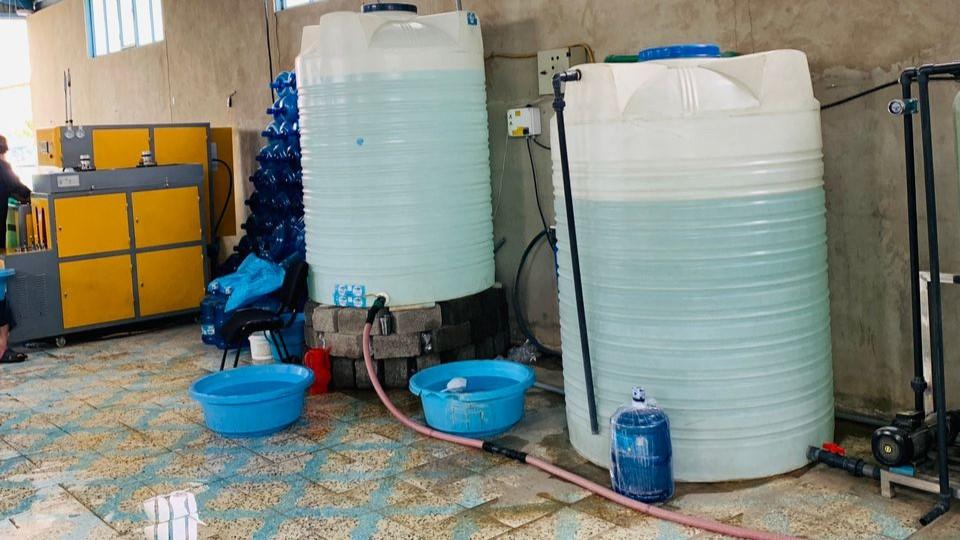
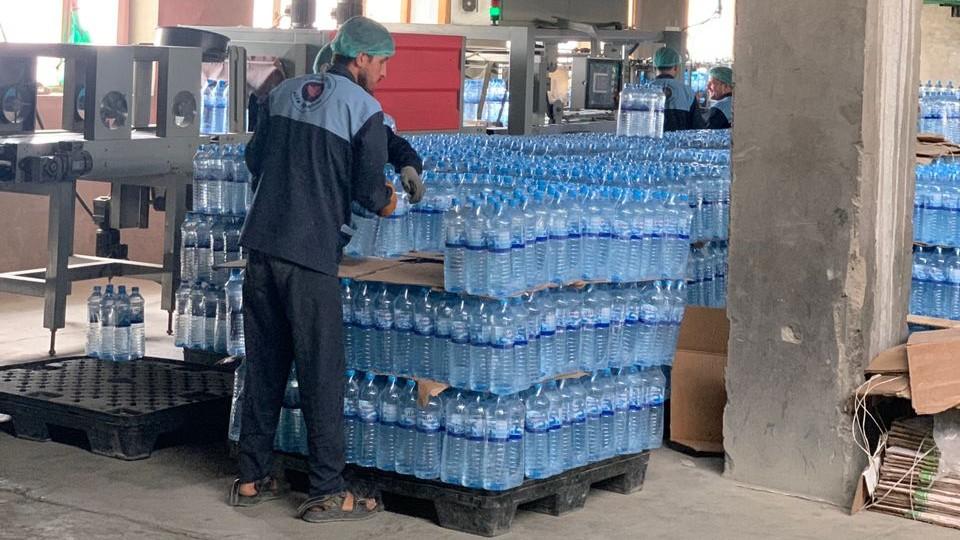
An official from a mineral-water production company in Kabul, who did not want to be named, said the company’s water source undergoes treatment, filtration, disinfection and quality-control processes after being transported to the factory.
He said physical, chemical and microbiological tests were conducted during the production process to maintain water quality.
“Observing health standards, obtaining legal licences and conducting regular tests are among the most important measures we take to maintain water quality,” he said.
Two major water-treatment companies closed
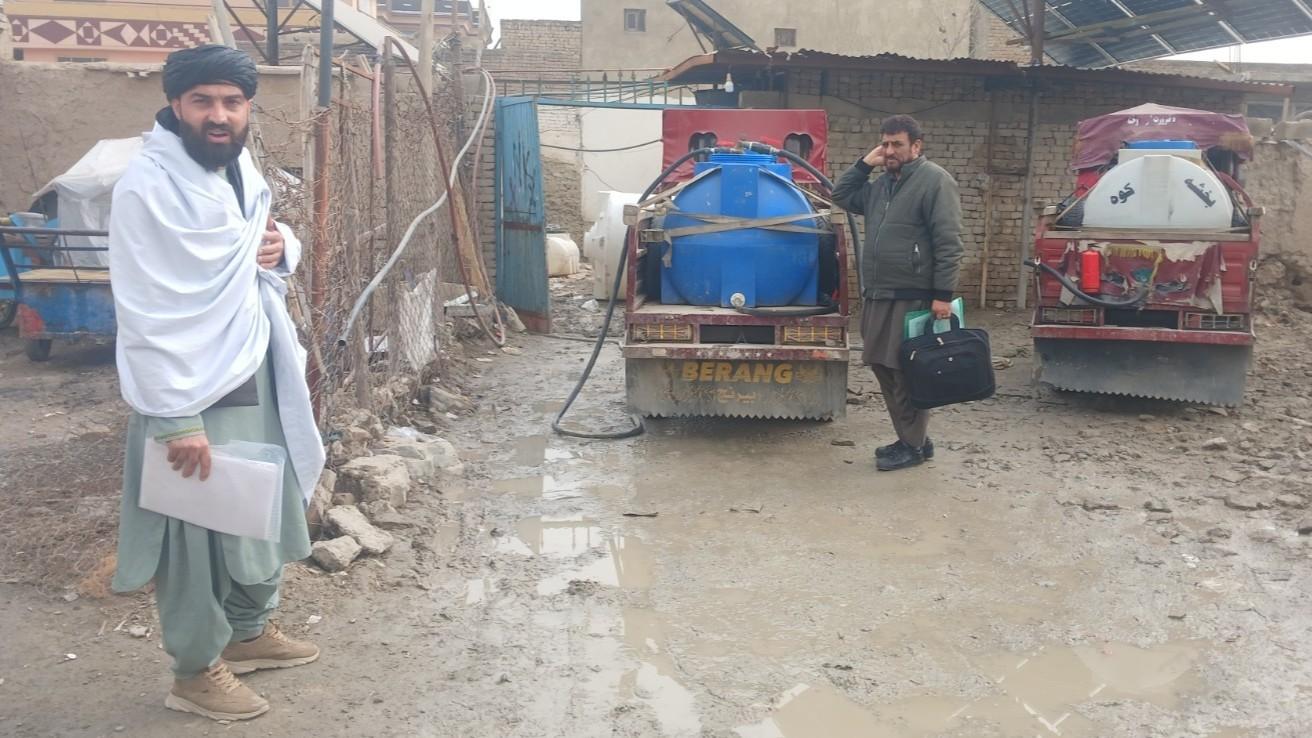
Mohammad Ali Akbari, head of the Water, Environmental Health and Hygiene Promotion Department of the Food and Drug Authority, told Pajhwok that the department conducts daily monitoring and inspections of drinking-water production and supply companies in accordance with its work plan.
He said drinking-water companies were sampled to ensure water quality and that the samples were examined through the Ministry of Public Health’s water laboratory.
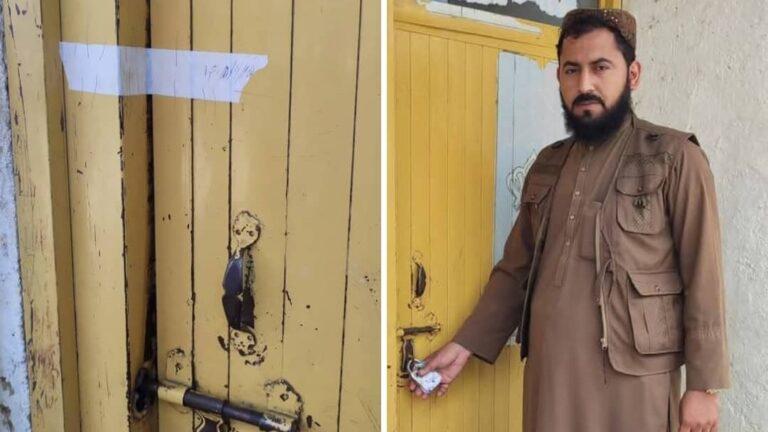
He said health recommendations were provided to companies under supervision, but two companies had recently been closed for operating contrary to the department’s procedures and guidelines until they corrected the deficiencies.
He declined to provide further details.
Akbari urged water-treatment companies to bring the quality of their products in line with health standards. He said, based on his recommendation, the total dissolved solids (TDS) level was better kept at around 100 to 200.
Regarding treated-water quality, he said some companies excessively reduce the level of minerals and total dissolved solids in water — including calcium, potassium, magnesium and bicarbonate — because of consumer demand.
He added that excessive reduction of minerals could alter the composition of water and stressed that water should not be assessed solely on the basis of its clarity and taste.
32 water companies using three-wheelers monitored in Kabul; contamination of some sources possible
Mohammad Ali Akbari said: “Both treated and untreated water is available in Kabul markets. Water taken from underground sources and sold without treatment through tankers or three-wheelers could pose a health risk if the source is contaminated.”
He said drinking water was sold in Kabul in large tankers with capacities of 5,000 litres or more, through three-wheelers, in 19-litre bottles and in small bottles.
He added that, in addition to monitoring different parts of the drinking-water sector, the department had so far inspected 32 companies selling water through three-wheelers and sent water samples from these companies to laboratories for quality testing.
Akbari said water-production companies and three-wheeler water suppliers were required to send water samples to the relevant authority for quality testing once every three months to ensure the quality of their products.
He added that the companies were also required to wash and clean their water storage tanks once a month to provide better services to citizens.
Akbari, referring to the lack of a proper sewage system in Kabul, said many residents of unplanned areas use soak pits and non-standard systems to dispose of wastewater, increasing the possibility of contamination of underground water sources.
He added that water for large tankers was often taken directly from underground sources without treatment and that, if the filtration systems of three-wheeler water companies did not function properly, their water could also become contaminated.
Referring to an outbreak of diarrhoeal disease in Kabul’s 13th district, he said professional teams had been sent to Wali Asr Township, Qala-i-Naw and Dasht-i-Barchi following reports of diarrhoeal disease and had collected samples from various water sources.
He said the laboratory results were not yet ready, but chlorine tablets had also been distributed among residents to help make the water safe.
Regarding claims by some Kabul residents that special tablets were being used to treat water in tankers, he said monitoring teams had so far not encountered such a case.
kk